Camping & Nature
Hydration Tips for Overlanders: Your Water Plan is Your Trip Plan
Hydration Tips for Overlanders: Plan Your Water
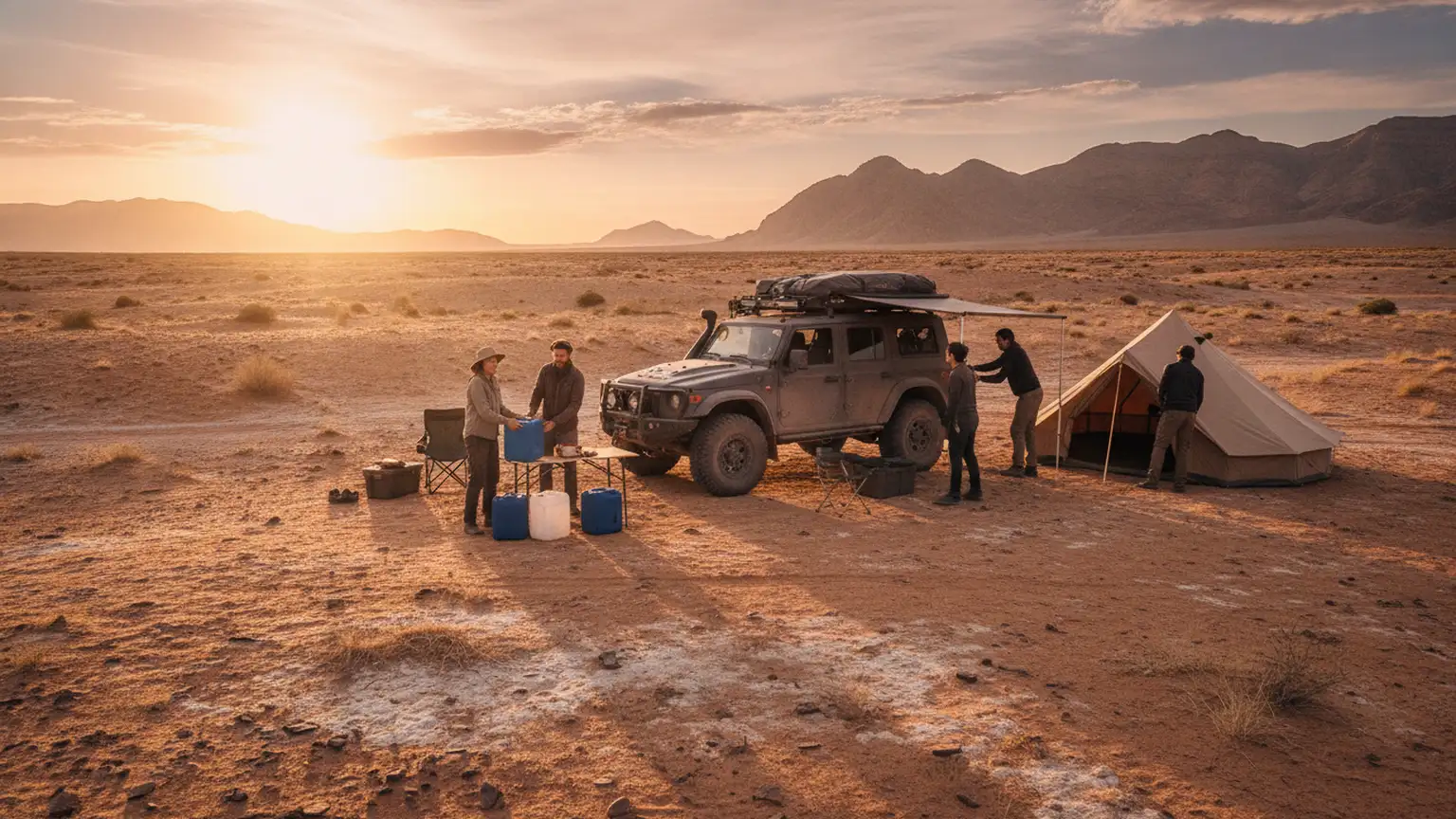
Adventure is better when you build it, and ensuring you have a reliable water plan is crucial for overlanders. Hydration tips for overlanders are as important as plotting your route. Whether you're gearing up to tackle arid deserts or lush forests, staying hydrated isn't just about packing a couple of water bottles. It's about strategic planning and smart packing to ensure your overland adventure is as refreshing as it is thrilling. So let's dive into how overlanders actually stay hydrated, with a playful nudge at those who'd pack a $3,000 fridge but skimp on water.
How Much Water Do Overlanders Need?
The golden rule of thumb for water planning is straightforward yet often overlooked: count your water like you count your fuel. For most overlanders, this translates into calculating liters-per-person-per-day. In general, plan for 3 to 4 liters per person per day, which covers drinking, cooking, and basic hygiene. However, context is key.
- Desert Adventures: In hot, dry climates, it's wise to increase this to 5 liters per person per day due to higher evaporation rates and increased perspiration.
- Forest Expeditions: In cooler, forested areas, you might manage with the standard 3 liters, but always carry extra, just in case.
Pro Tip: Redundancy is King
Never trust just one container! Employ the redundancy rule: multiple containers in various sizes. This not only ensures you can distribute weight more evenly across your vehicle but also acts as a safeguard if one container fails. It's the same principle as packing a spare tire; you wouldn't leave home without it.
Best Water Containers for Camping
Choosing the right containers can make or break your hydration strategy. Here’s a roundup of the best options:
- Water Jugs and Jerry Cans: Durable and reliable, these containers can hold large volumes, are easy to transport, and often come with spigots for easy pouring.
- Collapsible Water Containers: These are perfect for saving space and can be used as additional storage when you find a water source.
- Intermediate Bulk Containers (IBCs): According to IBC Tanks, IBCs are safe for potable water and offer a large capacity alternative for extended trips or base camps.

Avoid the Pitfalls: What Not To Use
Steer clear of using milk jugs or non-food-grade containers for water storage. They degrade quickly and can leach harmful chemicals into your water. As LDS Living emphasizes, always use food-grade, UV-resistant containers to maintain water safety.
Hydration Strategies for Long Trips
To stay hydrated on long trips, separate drinking water from washing, pack a filter, and plan for grey water. Embarking on a multi-day overland trip? Here’s how to ensure you stay hydrated throughout:
- Separate Drinking from Washing: Allocate specific containers for drinking water and others for washing and cooking. This prevents contamination and ensures you always have potable water.
- Pack a Water Filter: A portable filter can be a lifesaver if you’re near natural water sources. It’s your insurance policy against unexpected shortages.
- Plan for Grey Water: Always pack out your grey water or dispose of it properly. This minimizes environmental impact and adheres to the Bureau of Land Management's regulations.

Quick Quote: "Count water like you count fuel — with a reserve. Separate drinking from washing, pack a filter as insurance, and pack out grey-water mistakes."
Why You Shouldn't Skimp on Water
The temptation to pack light is real, but water isn’t where you should cut corners. It’s easy to think that a couple of small bottles will suffice when you’ve already invested in high-tech gear. But skimping on water can turn a dream trip into a nightmare. Here’s why water deserves a place of honor in your packing list:
- Health and Safety: Dehydration can quickly lead to fatigue, dizziness, and heatstroke, especially in extreme environments.
- Utility: Water is not just for drinking; it’s essential for washing up, cooking, and even cleaning wounds in emergencies.
Best Practices for Water Storage in Camping
Water storage isn’t just about the containers but also about how and where you store them:
- Keep It Cool: Store water containers in a shaded area to prevent overheating and evaporation.
- Secure Your Load: Ensure containers are tightly sealed and stored securely to prevent spillage during bumpy rides.
- Rotate Your Stock: Use the oldest water first and refill containers as soon as you have access to a clean source.
Expert Recommendation: "The best practice is to always have a dynamic water plan that adapts to your trip's specific needs and environments."
Frequently Asked Questions
How much water do overlanders need per day?
Overlanders should plan for 3 to 4 liters per person per day. In desert conditions, this should increase to 5 liters to account for higher water loss through sweat.
What are the best water containers for camping?
The best containers are those that are food-grade, UV-resistant, and durable, such as jerry cans, collapsible containers, and IBCs.
How can I ensure my water supply is safe?
Use food-grade containers, regularly clean them, and pack a water filter for emergency purification.
Why is redundancy important in water storage?
Multiple containers prevent total loss if one fails, allowing you to distribute weight and manage supplies more effectively.
Can I use any container for water storage?
No, avoid using non-food-grade containers like milk jugs, which can degrade and leach harmful substances.
What should I do with grey water?
Always pack out grey water or dispose of it according to local regulations to minimize environmental impact.
Is it necessary to separate drinking water from other uses?
Yes, separating drinking water from water used for washing and cooking helps prevent contamination.
What should I do if my water runs out?
Use your portable filter to purify natural water sources, and always carry extra in multiple containers as a backup.
Conclusion
Water planning is your trip planning. It’s about being smart, prepared, and maintaining a playful spirit of adventure. By counting water like fuel, ensuring redundancy, and separating uses, you create a reliable hydration strategy that supports your overland journey. Remember, adventure is better when you build it—liter by liter. Start planning your hydration strategy today and ensure a safe and enjoyable overland journey.
Community
Join the conversation
No comments yet. Be the first to share your thoughts!
Leave a comment
Keep tinkering
More adventure experiments
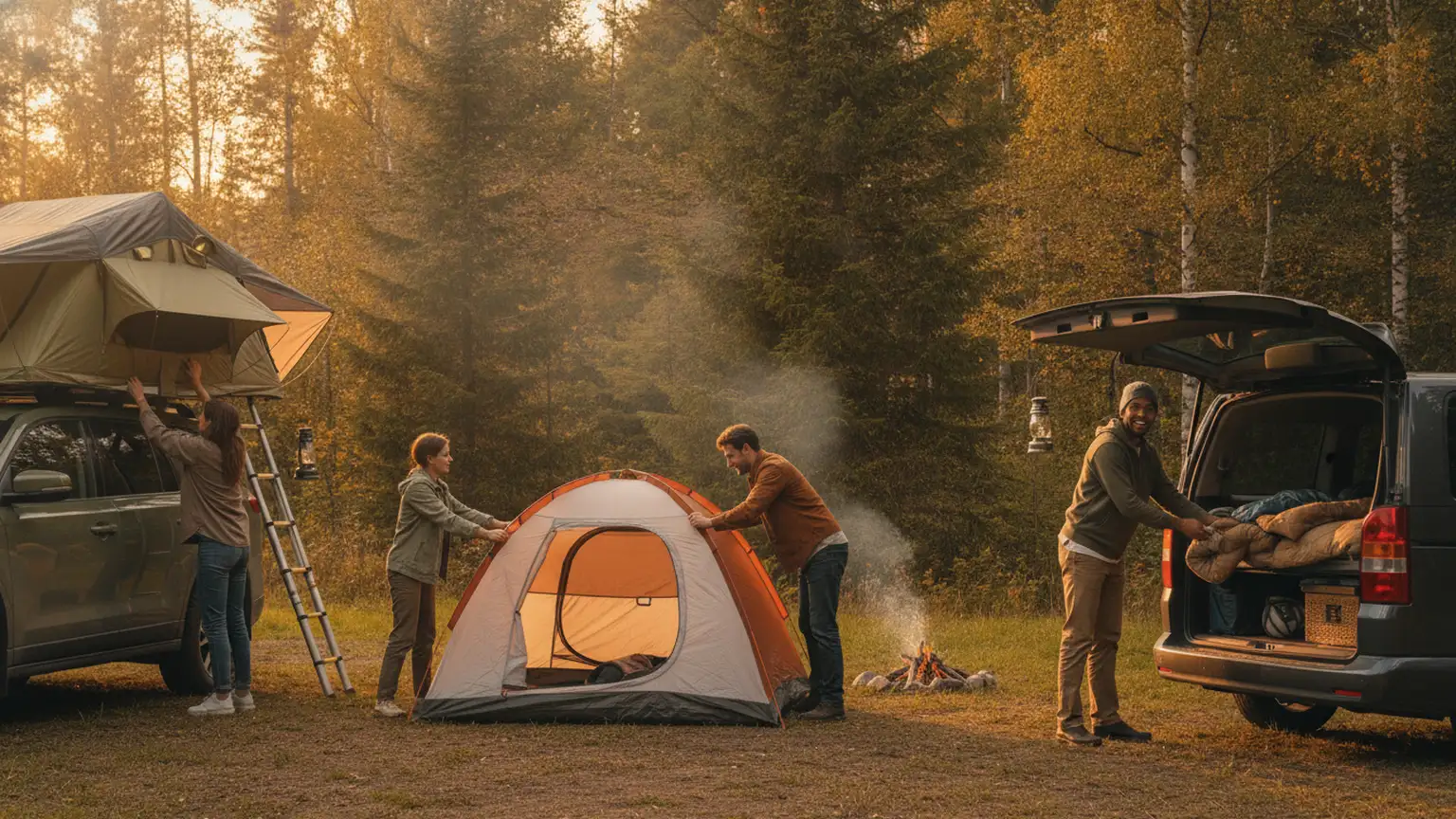
Roof Tent vs. Ground Tent: Choosing the Best Overlanding Sleep System
Discover the best overlanding sleep system by comparing roof tents, ground tents, and vehicle cargo setups to find your ideal camping solution for restful nights under the stars.
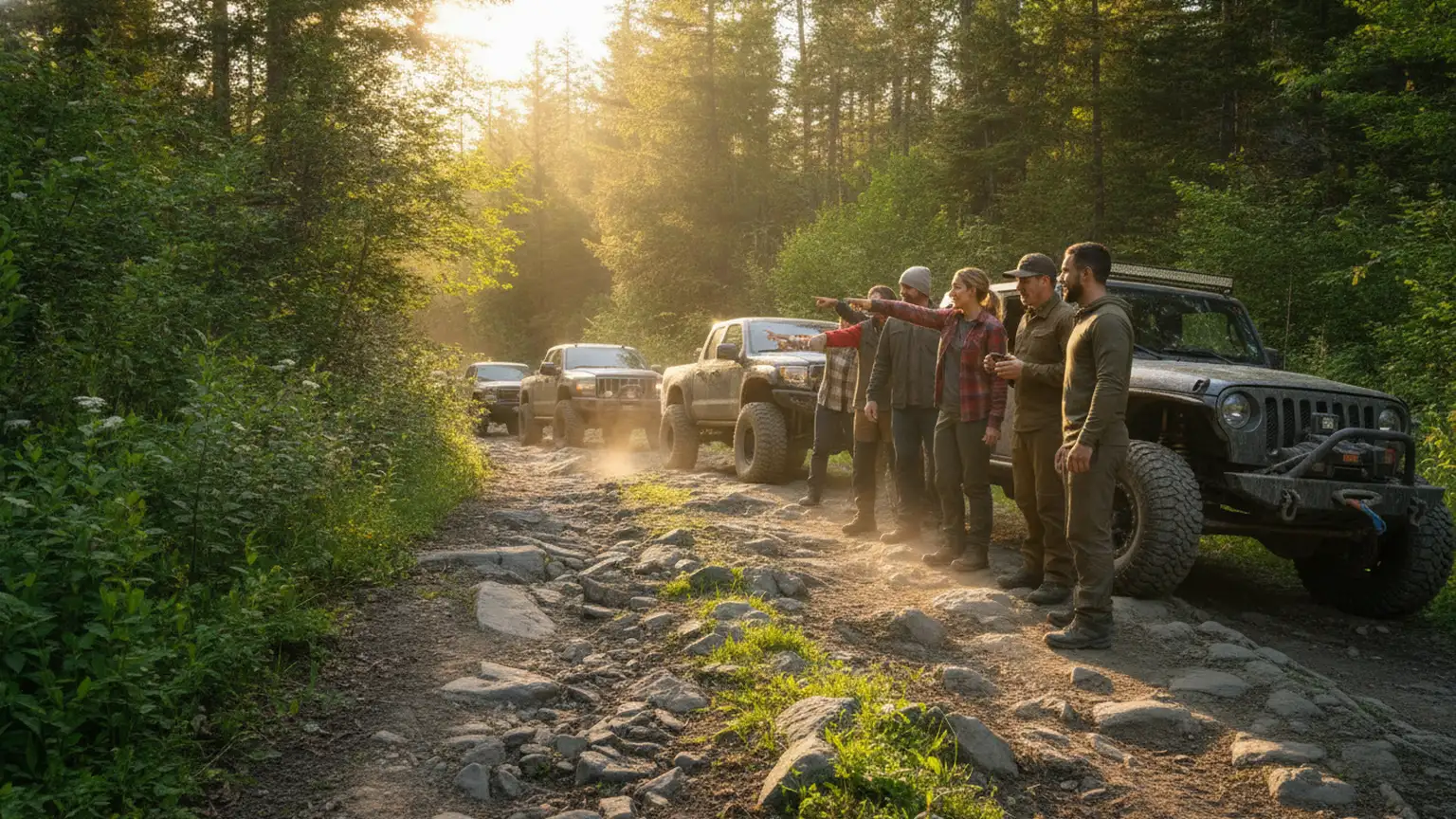
Trail Reading Techniques: How to Read a Trail Before You Commit the Paint
Master essential trail reading techniques to enhance your off-road adventures and prevent costly vehicle damage by learning to evaluate paths before you drive.