Take Your Trip to the Next Level With These Essential Items
9 Must-Have Items for Camping and Overlanding
Adventure feels different when you’ve got the right gear dialed in. These essentials are the items I rely on most—simple upgrades that make every trip easier, safer, and a lot more fun.
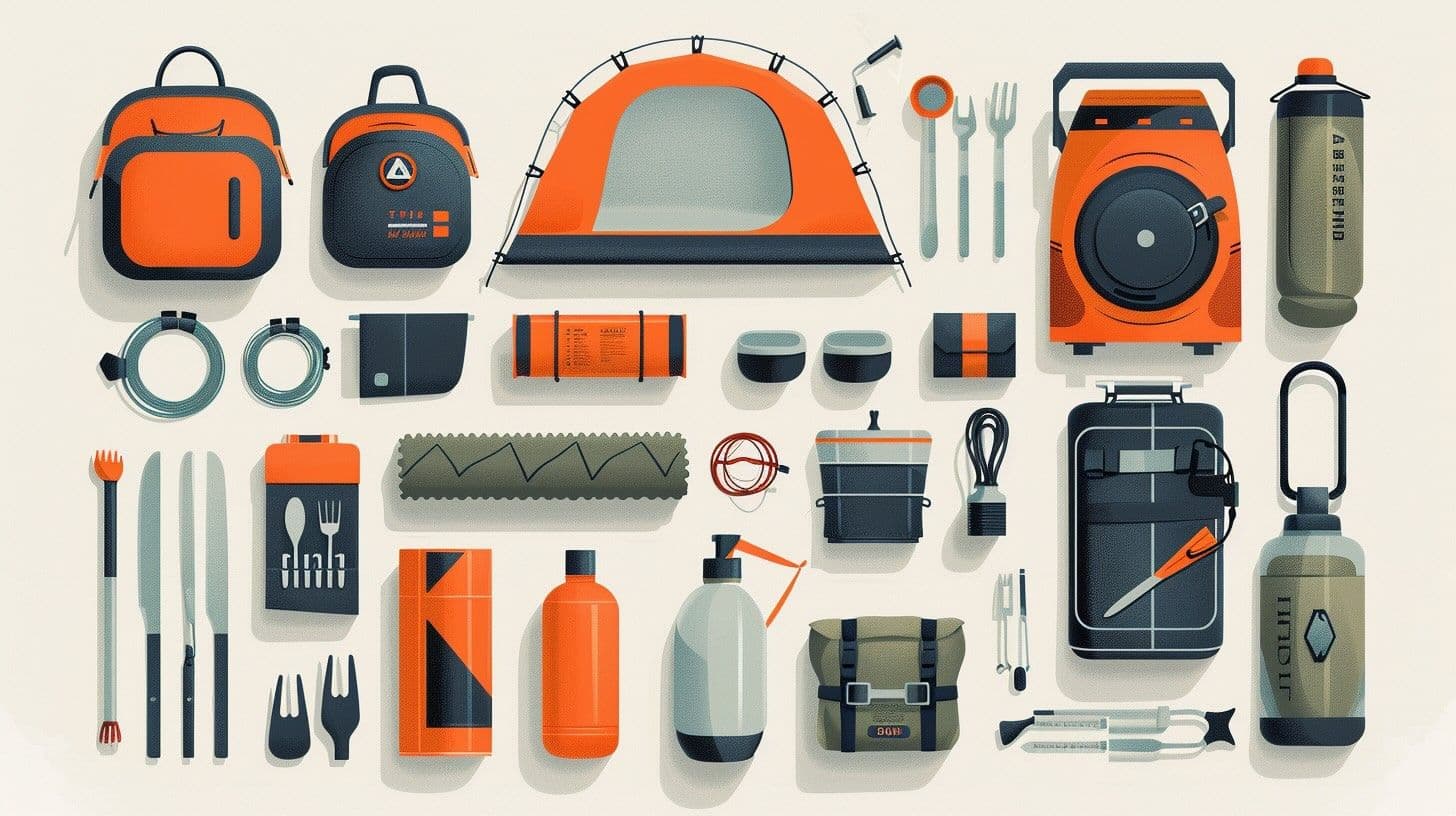
Sleep & Shelter
Rest Well, Explore Better
A good night’s sleep is the difference between a fun trip and a miserable one. Whether you prefer a compact solo tent or a family-sized shelter, this category covers everything you need to stay dry, warm, and comfortable. From lightweight sleeping pads to full-sized car-camping mattresses, these essentials turn the outdoors into a place you can truly relax.
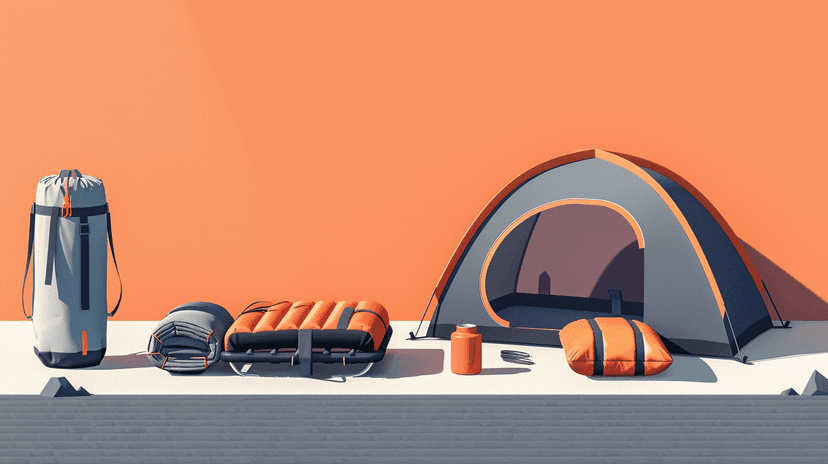
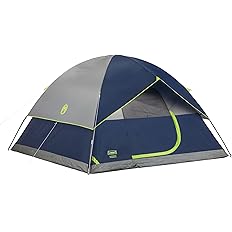
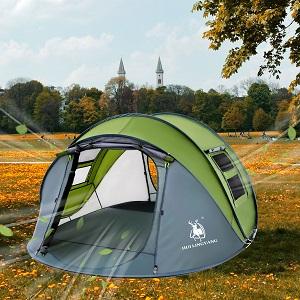
Tent
What is it
A tent is a portable shelter designed to give you a covered, weather-protected space when you’re camping or overlanding. It typically consists of a fabric shell (often waterproof or water-resistant), a floor, and a frame (poles or inflatable tubes) — sometimes with a rainfly for extra weather protection. Tents come in many sizes and configurations — from ultra-light one-person bivvy sacks to large multi-person dome or tunnel tents — and are meant to protect you from rain, wind, cold or sun, while giving you privacy and a basecamp for rest or sleep.
Why do I need it
- Weather & safety protection: A good tent shields you from rain, wind, and cold — crucial when the weather turns or at high altitudes.
- Comfort and rest: After a long day of driving, hiking or setting up camp, you want a safe, dry, comfortable space to rest. A tent gives you a padded or insulated floor and a roof — much better than sleeping directly on ground or in a tarp shelter.
- Flexibility & mobility: Tents let you camp almost anywhere — dirt clearing, gravel, forest floor — with minimal impact. For overlanding, they let you decouple shelter from vehicle setup, giving more flexibility.
- Security and privacy: A locked-up vehicle isn’t always an option. A tent provides a private space for sleeping, changing clothes, storing gear at night.
- Basecamp consistency: Whether you’re doing day hikes, cooking, or resting — having a fixed shelter maintains a sense of home even in remote places.
What should I pay attention to
When choosing a tent, it’s easy to get swayed by price or minimal weight — but these criteria matter too. Here are the main factors to evaluate:
- Size & capacity: Enough space for people + gear. A “3-person” tent might fit two plus minimal gear — always factor in sleeping bags, pads, and gear.
- Season rating: Summer tents vs. 3-season vs. 4-season. For cold climates or windy weather, a sturdier tent with better waterproofing and ventilation is vital.
- Weight & pack size: If you’re backpacking, less weight matters; for overlanding/vehicle camping — bulk may be fine, but packing space and ease of setup matter.
- Setup time & complexity: Simple dome tents are fast; tunnel tents or heavy canvas rigs take longer. Consider if you’ll set up alone, at night, or in wind/rain.
- Durability & materials: Quality poles, sturdy fabric, waterproof seams, strong zippers — cheap tents might tear or leak under stress.
- Ventilation & condensation control: A tent should ventilate well, especially in humid climates — good mesh, vents, and maybe dual-layer design help avoid condensation.
- Weather protection (fly, floor, wind resistance): Rainfly coverage, seam sealing, floor thickness, wind stability — not all tents are equal when weather hits.
- Ease of cleaning / maintenance: Sand, dirt, moisture — a good tent should be easy to clean, dry, and store without mold or damage.
- Packability & storage footprint: Even if you have a roof rack, you need to know how the tent packs down and where you’ll store it during travel.
Where to get it
Budget / Solo Backpacker

Mid-range / Car-camp
Family / Comfort
Quick-Setup
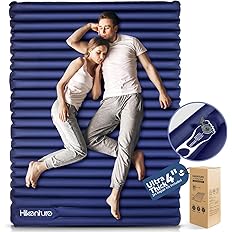
Sleeping Pad
What is it
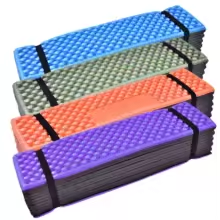
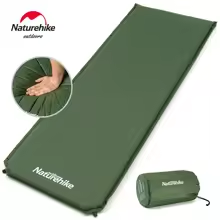
A sleeping pad is a portable bedding layer that goes between you (or your sleeping bag) and the ground. It can be a simple foam mat, an inflatable air pad, or a self-inflating hybrid. Its basic purpose is to provide insulation from cold ground, cushioning against rocks or rough terrain, and comfort — turning hard, uneven, or cold surfaces into a usable sleeping area.
Why do I need it
- Comfort & sleep quality: After a long day on the trail, good rest matters. A pad means you’re not waking up sore, stiff or bruised from rocks or hard ground.
- Thermal insulation: Even warm nights can get cold toward dawn — a pad insulates you from heat loss to the ground and helps maintain warmth in your sleeping bag.
- Versatility: With a pad, you can camp on almost any terrain — dirt, rock, gravel, sand — and still get a comfortable sleep. Ideal for unpredictable campsites.
- Compactness & mobility: Especially with inflatable or self-inflating pads — they pack down small, are easy to store on roof racks or in drawers, and are much lighter than bulky mattresses.
- Durability & reusability: A quality pad can last many trips without wear — a good investment for frequent campers or overlanders.
What should I pay attention to
When picking a sleeping pad, several factors impact how well it performs — and how much comfort you actually get. Key things to consider:
- Insulation / R-value: Indicates how well the pad insulates from cold ground. Higher R-value = better for cold / four-season camping.
- Thickness & comfort: Thicker pads or mats with good padding will feel more like a mattress; thinner or very compact pads may compromise comfort.
- Packed size & weight: Important if you’re backpacking or have limited storage on your overlanding rig. Inflatable pads are lighter but risk punctures; foam mats are bulky but durable.
- Durability and material quality: Strong seams, puncture-resistant surfaces, reliable valves — cheaper pads may leak or wear out.
- Ease of setup and maintenance: Self-inflating pads save time and hassle; air pads need pumps or mouth inflation (can be annoying in cold or if you’re tired).
- Noise: Some pads crinkle or make noise when you move — annoying in quiet wilderness or shared campsites.
- Size and shape: Single vs. double (for couple/partner), width & length matching your body size; rectangular vs. mummy-shaped pads — make sure you get enough space.
- Repairability: For overlanding, punctures or wear can happen — ability to patch, spare repair kits, or using pad liners can increase longevity.
Where to get it
Budget / Basic
Mid-range
Compact Air Pad

Deluxe / Glamping
Blanket & Pillow
What is it
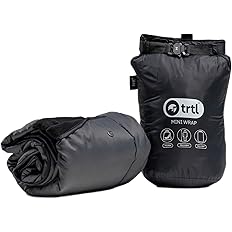
Compact blankets and travel-camp pillows are lightweight, portable bedding accessories designed for sleeping or relaxing outdoors. A compact blanket might be a thin fleece, a insulated throw, or a packable down/synthetic blanket — smaller and more packable than a home blanket. A camping pillow is often a compressible, inflatable, or stuff-sack pillow meant to provide neck/head support without bulky bedding. Together, they aim to provide comfort, warmth, and a proper rest setup whether you’re in a tent, rooftop tent, or just out under the stars.
Why do I need it
- Improved sleep quality: A pillow gives proper neck support (much better than a rolled-up jacket or bare ground), while a blanket can add extra warmth and comfort — making a big difference after long days on the trail.
- Temperature regulation: Nights outdoors may get chilly — a compact blanket adds another layer of insulation, useful inside tents or under canvas.
- Versatility & comfort on the go: Blankets double as seat covers, picnic mats, or extra warmth during campfire nights. A compact pillow makes resting in the car, on the ground, or in a roof-top tent much more comfortable.
- Portability & space efficiency: Designed to pack small, light, and take little space in your gear stack — ideal for overlanding where storage is limited.
- Cost-effective comfort upgrade: Compared to big gear (roof-top tents, mattress pads), blankets and pillows deliver big comfort gains at low cost and minimal weight.
What should I pay attention to
- Warmth / insulation / material quality: For blankets — material (synthetic vs down vs fleece), weight, warmth rating. For pillows — whether it’s compressible, inflatable, and how comfortable/supportive the fill is.
- Pack size & weight: A compact blanket should compress well. A pillow should fold or deflate small — important when roof storage is limited.
- Durability and ease of cleaning: Outdoor use means dirt, moisture, dust; materials should be easy to wipe/clean and resilient.
- Moisture resistance: Blankets and pillows used in tents or outdoors need to resist dampness — water-resistant shells or washable materials are a plus.
- Comfort vs bulk trade-off: Ultra-light blankets/pillows pack small but may sacrifice softness or warmth; heavy or bulky ones may be comfortable but harder to store.
- Multi-functionality: Blankets that double as seat covers or wraps, pillows that double as lumbar/back support — increases value per weight/space.
- Allergy or odor issues: Down fills can hold smell or trigger allergies; synthetic fills or washable covers might be preferable for frequent trips or shared use.
Where to get it
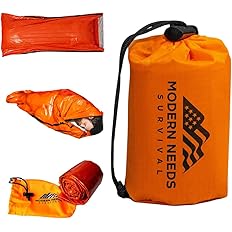
Thermal Blanket & Bivvy Sack
Compact Blanket
Travel Pillow

Camp Kitchen
Cook Well, Eat Better
Great food makes every adventure better. This category includes stoves, cookware sets, utensils, and all the compact tools that turn your campsite into a functional kitchen. Whether you’re boiling water for coffee or cooking a full meal, the right setup keeps things fast, safe, and stress-free.
Stove
What is it
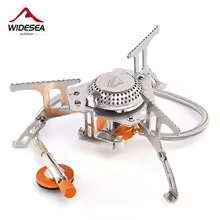
A camp stove is a portable cooking device powered by gas, liquid fuel, or solid fuel. It provides a controlled flame for boiling water, heating food, or cooking full meals outdoors.
Stoves range from tiny backpacking burners to robust dual-burner units built for overlanding and car camping. Their purpose is simple: reliable heat anywhere, without relying on a campfire or unpredictable conditions.
Why do I need it
- Cooking anywhere: With a stove, you’re not dependent on firewood, weather, or campsite rules. You can cook on a rocky plateau, in a parking lot, or at a forest campsite.
- Speed & convenience: Modern stoves boil water fast — especially multi-fuel or integrated systems. Huge time saver for coffee, noodles, or quick meals.
- Safety & predictability: Fires can be banned, wet, or unsafe. Stoves give consistent heat output with much less risk.
- Fuel efficiency: Small gas canisters or liquid fuel bottles last surprisingly long and pack small.
- Better eating → better energy: Hot meals boost morale, focus, and stamina during multi-day trips.
What should I pay attention to
Key factors to consider when choosing a camp stove:
- Fuel type:
- Isobutane/propane canisters — clean, easy, great for general use.
- Liquid fuel (white gas, gasoline) — great for extreme cold or high altitude.
- Integrated systems — fastest boil time, great for quick meals.
- Burner power (BTU/Watt): Higher output = faster boil, better for cooking real meals, not just heating water.
- Size & portability: For overlanding, you might prefer a larger stove with two burners. For hiking, you’ll want something ultralight.
- Ignition system: Built-in piezo ignition is convenient — but always bring a lighter or matches.
- Stability & pot support: Wide support arms or a low stance matter when cooking heavier meals or using bigger pots.
- Wind resistance: Some stoves lose efficiency in wind. Integrated windshields are a huge upgrade.
- Maintenance & reliability: Multi-fuel stoves need occasional cleaning. Canister stoves are nearly maintenance-free.
- Packability: Consider how the stove folds, where it fits in your setup, and how it stores alongside fuel.
Where to get it


Cookware
What is it
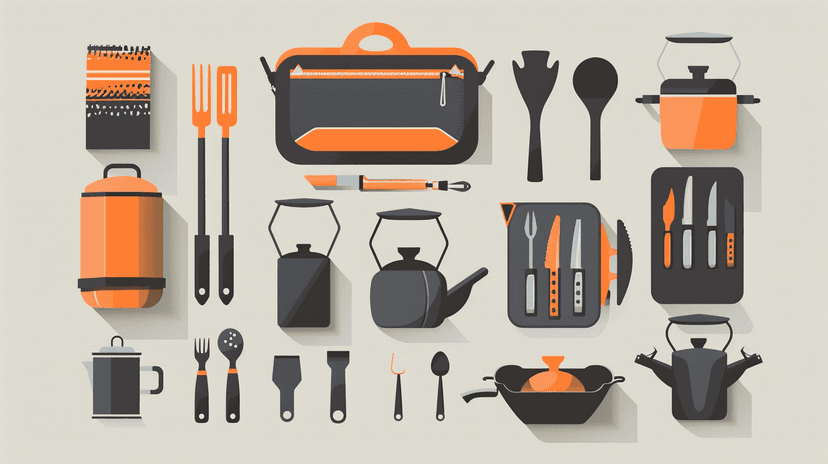
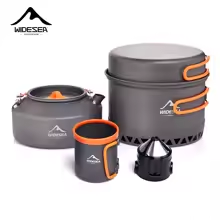
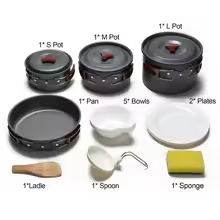
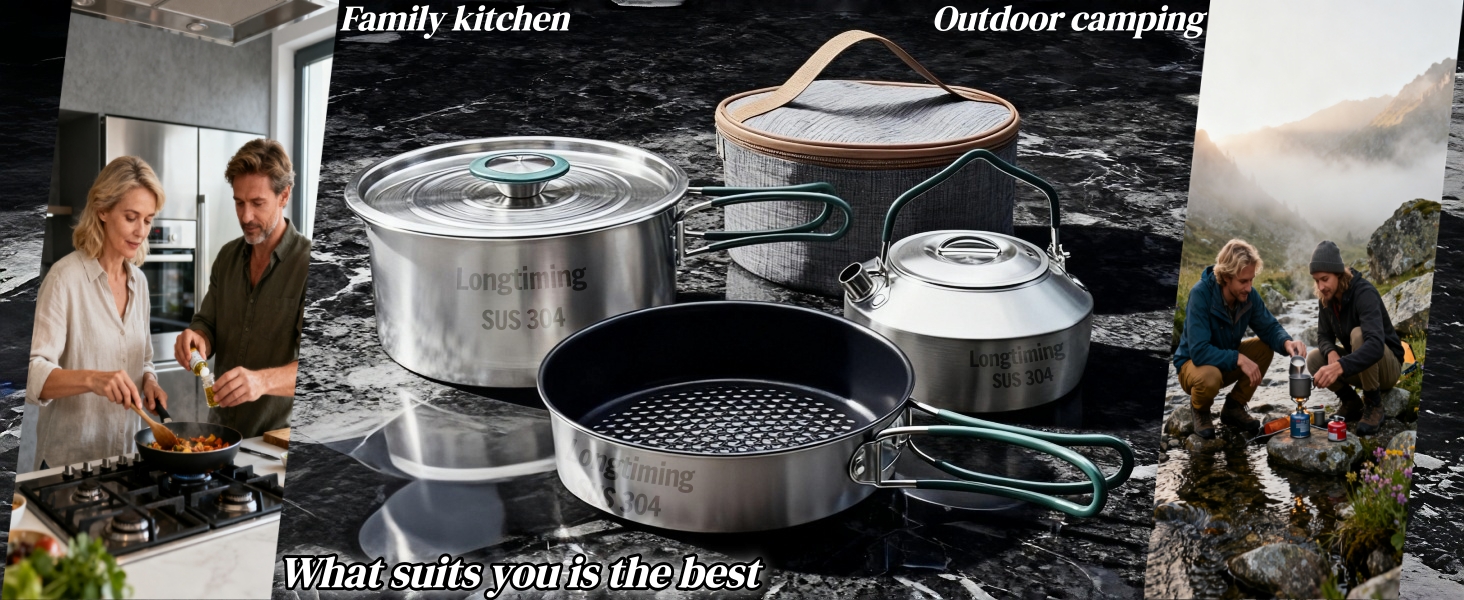
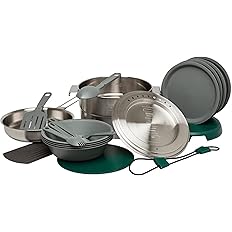
Campsite cookware includes all the pots, pans, utensils, and food-prep tools designed specifically for outdoor cooking. This can range from ultra-compact backpacking sets to full-size pots and frying pans for car camping.
It typically includes:
- Pot(s)
- Frying pan
- Kettle
- Utensils (spatula, spoon, ladle)
- Cutting board
- Camp knife or chef’s knife
- Bowls, cups, plates
- Storage pouches These items are built to be lightweight, durable, easy to clean, and pack efficiently — making them ideal for cooking at a campsite, on a trail, or during overlanding trips.
Why do I need it
- Cook real meals outdoors: Good cookware lets you do more than boil water — you can fry eggs, sauté vegetables, simmer soups, or cook proper dinners.
- Efficiency & convenience: Dedicated camp cookware packs small, nests together, and weighs much less than household pots/pans, making it easy to store in your vehicle or pack.
- Durability for the outdoors: Outdoor cookware is designed to take heat from portable stoves, open flames, and rough campsite conditions without warping or melting.
- Safe & hygienic food prep: A proper cutting board, utensils, and pot handles make camp cooking safer and cleaner.
- Multi-trip reliability: Good stainless steel, aluminum, or titanium sets can last for years without degrading.
What should I pay attention to
When choosing campsite cookware, look out for:
- Material:
- Aluminum: Lightweight, good heat distribution, can dent.
- Hard-anodized aluminum: Durable, corrosion-resistant, great all-around choice.
- Stainless steel: Heavy but extremely durable.
- Titanium: Ultra-light, strong, expensive, not ideal for delicate cooking.
- Non-stick coatings: Convenient but require gentle care; don’t overheat.
- Packability & nesting: All pieces should stack into a tight kit — especially important for overlanding drawer systems.
- Weight vs durability: Backpacking? Choose ultralight. Car camping? Comfort > weight; choose sturdier sets.
- Handle quality: Cheap foldable handles often bend or loosen. Look for locking handles and heat-resistant grips.
- Compatibility with stoves: Some lightweight pans tip easily on larger burners. Larger pots may exceed small backpacking burner capacity.
- Ease of cleaning: Smooth surfaces, non-stick interiors, simple shapes = much easier cleanup in the field.
- Number of people: 1–2 campers need a small set. Families or groups should size up.
Where to get it
Basic Set
Family Set
Stainless Steel
Water
What is it
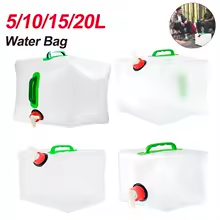
Water management covers the gear you use to store, transport, dispense, and use water at your campsite.
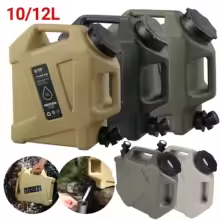
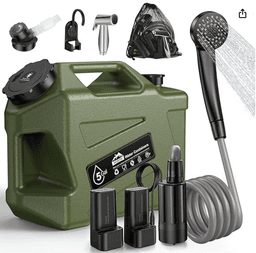
This includes items like water jugs, collapsible containers, camp faucets, pour spouts, wash basins, and biodegradable soap.
It’s the backbone of cooking and cleaning outdoors—everything from boiling pasta to washing dishes depends on it.
Why do I need it
- Cooking requires a lot of water — from boiling to rinsing ingredients
- Cleanliness matters — dishes, hands, and utensils need proper washing
- Keeps camp organized — having water easily accessible prevents mess and frustration
- Improves comfort — easy handwashing and quick cleanup make daily camp life smoother
- Critical for safety — reliable water storage prevents spills, contamination, or running out unexpectedly
What should I pay attention to
- Capacity: 10–20 liters is ideal for most weekend trips
- Material: Choose BPA-free plastics or food-grade containers
- Spout or faucet: Makes cooking and washing dramatically easier
- Leak-proof seals: Essential for travel on uneven terrain
- Portability: Collapsible jugs save space; rigid jerrycans offer durability
- Ease of cleaning: Wide-mouth openings are far easier to maintain
- Compatibility: Check if the container works with filters, faucets, or your vehicle mounting system
Where to get it
Standard
Faucet

Shower
Camp Comfort
See More, Do More, Relax More
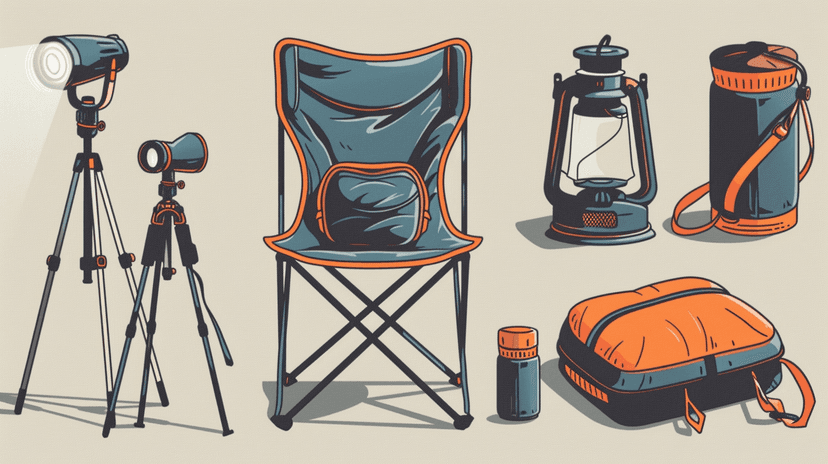
Lighting changes everything after dark. From headlamps for night walks to LED lanterns for camp setup, good illumination keeps your trip safe and enjoyable. This category also includes creature comforts like portable chairs—because a great seat and reliable lighting make the campsite feel like home.
Lighting
What is it
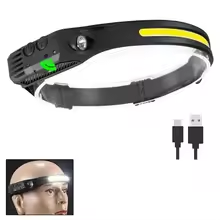
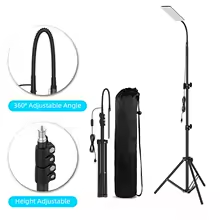
Camp lighting includes all the portable illumination you bring outdoors—headlamps, lanterns, LED strips, and floodlights.
Its role is simple: help you see, work, cook, and relax after dark without relying on your vehicle’s lights.
Why do I need it
- Safety: Proper lighting prevents trips, falls, and “where-did-I-put-that” moments.
- Cooking at night: Essential for meal prep, cleaning, and navigating the campsite.
- Comfort & atmosphere: Warm lanterns create a relaxing vibe after a long day on the trail.
- Hands-free tasks: Headlamps and area lights make repairs, tent setup, or kid wrangling easier.
- Energy efficiency: Dedicated camp lights save your vehicle battery and work better outdoors.
What should I pay attention to
- Brightness (lumens): 200–300 lumens for general use, 600+ for task lighting, 1000+ for floodlights.
- Battery type: USB-rechargeable is easiest; replaceable AA/AAA can be great backups.
- Runtime: Look for 6–12 hours on medium settings for reliable overnight use.
- Beam type:
- Wide flood for cooking and camp tasks
- Narrow spotlight for walking or hiking
- Durability: Water resistance (IPX4–IPX7), shatter-resistant housings, good build quality.
- Mounting options: Hooks, magnets, tripod mounts, straps—make a big difference in how usable the light is.
Where to get it

USB LED
Hi-End

Chairs
What is it
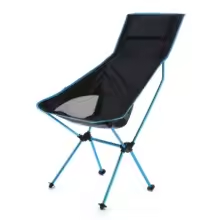
Camp chairs are portable seating designed for outdoor use, ranging from ultralight compact chairs to large, padded loungers with built-in cupholders.
They give you a comfortable place to sit while eating, relaxing, cooking, or stargazing—something you appreciate far more once you’ve spent a weekend without one.
Why do I need it
- Comfort matters: After hiking, driving, or setting up camp, a proper seat makes all the difference.
- Versatility: Chairs turn any spot—beach, desert, forest, or parking lot—into a comfortable place to hang out.
- Ergonomics: Good chairs reduce back strain and keep you off cold, wet, or uneven ground.
- Group-friendly: Having enough chairs makes social time at the campsite actually enjoyable.
- Better than alternatives: Rocks, logs, and coolers can only go so far before you start regretting your life choices.
What should I pay attention to
- Weight & pack size:
- Ultralight chairs are tiny and great for short trips.
- Larger chairs are much more comfortable but bulkier.
- Seat height:
- Low chairs are stable on sand and rough ground.
- High chairs are easier on knees and backs.
- Comfort features:
- Armrests
- Headrests
- Cup holders
- Recline function
- Breathable mesh
- Durability: Look for strong fabrics (ripstop, high-denier nylon) and frames made of aluminum or steel.
- Weight capacity: Many chairs support 100–150 kg, but it’s worth checking.
- Setup time: Quick-fold designs are convenient; modular designs are compact but slower.
Where to get it
Compact
Lightweight
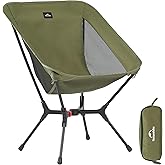
Comfortable

Deluxe

Table
What is it
A camp table is a portable, foldable surface used for cooking, prepping food, eating meals, organizing gear, or working at the campsite.
They range from tiny side tables to full-height, sturdy cooking stations designed for overlanding setups.
Why do I need it
- Cooking is easier: Cutting, prepping, seasoning, and assembling meals is nearly impossible without a raised surface.
- Keeps camp organized: A table becomes a “home base” for gear, snacks, lanterns, and utilities.
- Comfort & convenience: Sitting and eating at a table elevates the entire experience from “survival mode” to “enjoyment.”
- Reduces strain: Working at ground level is tiring; a proper table saves your back and knees.
- Multi-purpose: Works for games, maps, gear repair, coffee making, and evening hangout setups.
What should I pay attention to
- Size & surface area:
- Small side tables: great for drinks, lanterns, or single-burner stoves
- Medium tables: enough space for cooking prep
- Large tables: ideal for family meals or full cooking setups
- Height:
- Low tables for sitting
- Standard height for cooking
- Material:
- Aluminum: light, durable, heat-resistant
- Bamboo: premium feel, stable
- Plastic: cheaper, lighter, less durable
- Stability: Wide feet, solid hinges, and cross-bracing make a huge difference outdoors.
- Pack size: Consider how much space it occupies in your car; overlanders prefer small folded footprints.
- Weight capacity: Important if using it for stoves, water containers, or heavy cookware.
- Ease of setup: Some tables unfold in seconds; others require multi-part assembly.
Where to get it
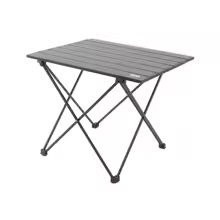
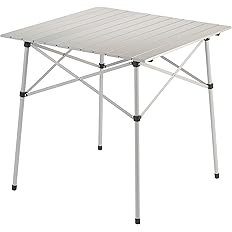

The Hospital
What is it
It’s a big building with patients, but that’s not important right now.
In tribute to the funniest movie ever made... :-)
Frequently Asked Questions
What’s the most important piece of gear to prioritize if I’m just starting out?
If you’re new, focus on the sleeping setup first: a reliable tent and a good sleeping pad.
Comfort and rest affect everything else. A warm, dry, comfortable night matters more than fancy gadgets or high-end gear.
How do I choose the right tent for my needs?
Think about:
- Group size (always go one size larger)
- Weather conditions (3-season vs. 4-season)
- Setup time (fast-pitch vs. standard poles)
- Portability (car camping vs. hiking) If you’re car camping or overlanding, comfort and space matter more than weight.
What’s the difference between a sleeping pad and an inflatable mattress?
- Sleeping pads offer better insulation, are lighter, more durable, and pack smaller.
- Inflatable mattresses are more bed-like and comfortable but colder and bulkier. Outdoor nights get chilly—so if you choose a large mattress, make sure it’s insulated or pair it with a thermal blanket underneath.
Do I really need a camping stove, or can I cook over a fire?
A stove is more reliable, faster, and generally safer. Weather, fire bans, and wet wood can make campfires unreliable.
Fire cooking is great for fun evenings — but a stove is what saves the day for morning coffee, quick meals, and consistent heat.
What type of cookware works best for camping?
Go for:
- Aluminum if you want lightweight and fast heating
- Stainless steel for durability
- Cast iron for flavor and searing (but heavy — better for car/overland setups) Look for nesting cookware sets to reduce space and improve organization.
How much water should I bring for a typical weekend trip?
Plan for 3–4 liters per person per day, not including cooking and washing.
For cooking & cleaning, add 5–10 liters depending on the meals you prepare.
If space allows, a 10–20L jerrycan with a faucet is ideal for easy dispensing.
What’s the best type of camp lighting?
A complete setup usually includes:
- One headlamp per person
- One main camp lantern for ambient light
- One task or flood light for cooking or repairs Rechargeable LED lights are best — long life, bright output, and safe around kids.
Are camping chairs really necessary?
Yes — surprisingly.
A comfortable chair changes the whole experience from “functional camping” to truly enjoyable outdoor living.
Choose based on your style: ultralight compact chairs for minimalists, or high-back reclining chairs for comfort lovers.
What should be in my basic first-aid kit?
At minimum:
- Bandages and gauze
- Disinfectant wipes
- Tweezers
- Blister care
- Pain relievers
- Anti-itch/antihistamine
- Small scissors
- Tape Add any personal medications and sunscreen/bug repellent for full coverage.
How do I avoid mosquitoes and bugs without harsh chemicals?
Use a layered approach:
- Thermacell devices (very effective)
- Citronella candles
- Natural spray repellents
- Proper campsite lighting (use warm light around camp; bugs love cool light)
- Long sleeves during peak bug hours This balances comfort without overwhelming chemical smells.
Affiliate Disclosure:
This article contains affiliate links, including links from the Amazon Associates Program and other approved partner programs. If you purchase via these links, Adventure2.0 may earn a commission — at no extra cost to you. My recommendations are based on hands-on use, honest comparison, and real-world performance.