Off-Road Technique
Solo Overlanding: The Essential Comms Kit for Adventurers
Solo Overlanding: Essential Communication Kit for Adventurers
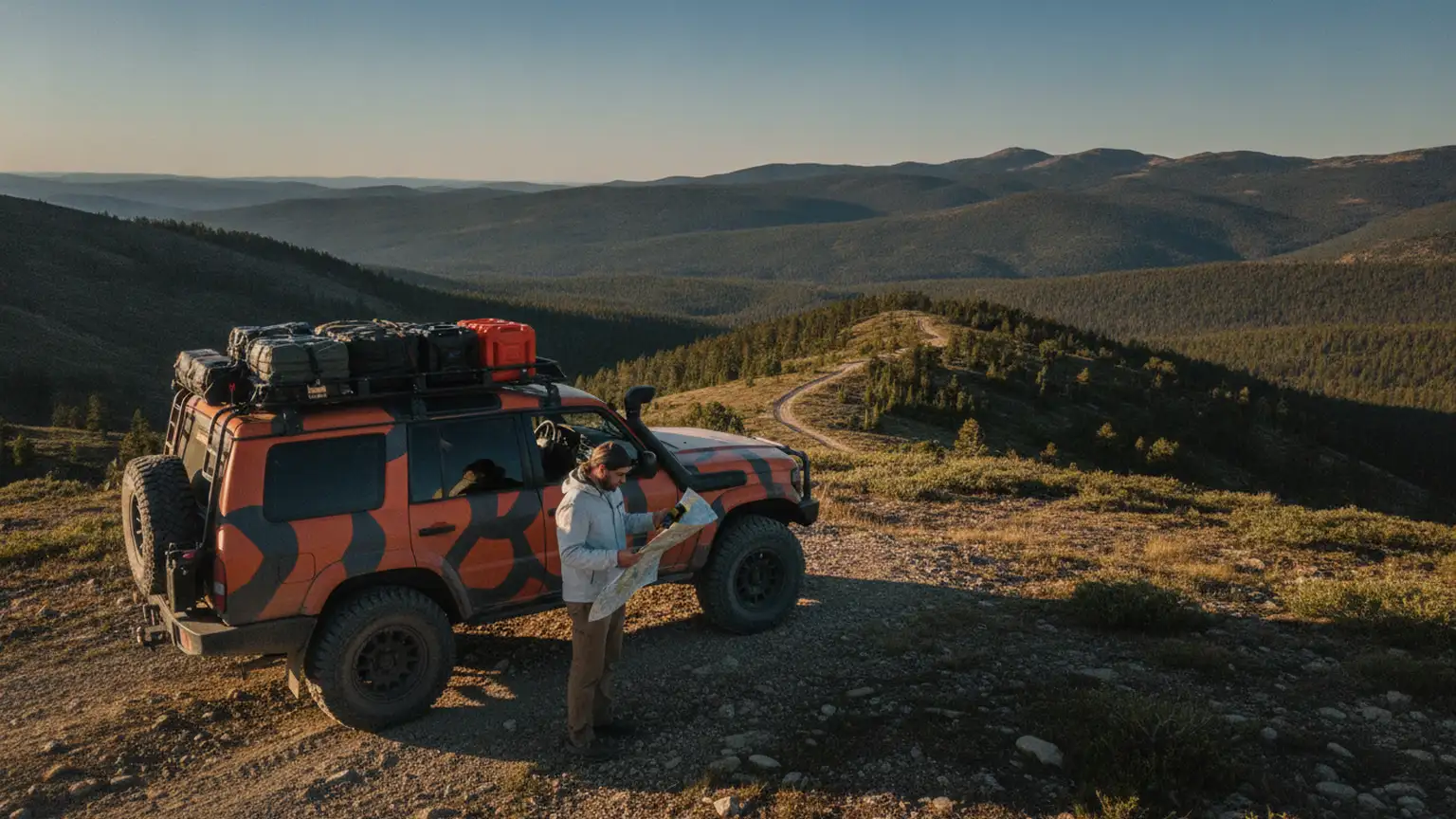
Venturing into the wild alone isn't just a journey; it's a love letter to solitude. But even the most introspective adventurers know that true freedom outdoors comes with responsibility. When you embark on a solo overlanding trip, ensuring communication safety is crucial. This guide delves into creating the perfect comms kit for solo explorers, ensuring that your journey is both safe and serene.
What Communication Tools Do Solo Overlanders Need?
To stay connected while embracing the wild, solo overlanders need a robust communication toolkit. At the heart of this kit should be a satellite messenger, a GPS device, and a clear communication plan. Satellite messengers, like the Garmin InReach or Zoleo, allow you to send and receive messages even when your phone has no signal. These reliable devices can be lifesavers when you're off-grid, offering SOS capabilities that connect you to emergency services.
Satellite Messengers: Devices like the Garmin InReach and Zoleo provide two-way communication, GPS tracking, and SOS features, ensuring you’re never truly alone.
GPS Devices: A reliable GPS unit is essential for navigation and tracking, helping you stay on course and allowing others to follow your progress if necessary.
Communication Plan: A one-page communication plan outlines who you'll contact, how often, and what the next steps are if you miss a check-in.
How to Stay Safe While Solo Overlanding
Safety in solo overlanding is about redundancy and planning. Begin by leaving a detailed itinerary with someone you trust. This itinerary should include your planned route, estimated times of check-in, and emergency contacts. Regular check-ins are vital to ensure that someone knows your whereabouts at any given time.
Create a Check-In Schedule: Set specific times to check in with a designated contact. This routine not only provides peace of mind but also establishes a pattern that, if broken, signals a potential issue.
Utilize Weather Resources: Use resources like the National Weather Service to monitor conditions before and during your trip. Being aware of the weather can help you avoid dangerous situations.
Invest in Essential Gear: Equip your vehicle with necessary overlanding tools, such as tire repair kits and recovery straps, as recommended by overland experts from sources like 4wdTalk and Expedition Overland.
Importance of Check-Ins for Solo Adventurers
Check-ins are a crucial part of solo overlanding, acting as both a safety measure and a mental comfort. They create a safety net by ensuring that someone is aware of your location and can alert authorities if you don’t report in at the designated time.
Define 'Overdue': Clearly communicate what constitutes 'overdue' so your contact knows when to raise the alarm. This might mean missing two consecutive check-ins without prior notice.
Emergency Protocols: Determine the steps your contact should take if you miss a check-in. This includes who to call, the information to provide, and when to escalate the situation.
Redundancy in Communication: While satellite messengers are reliable, never rely on a single device for communication. Carry extra batteries or a solar charger to keep your devices powered.
Crafting Your One-Page Communication Plan
A one-page communication plan is your blueprint for safety. It should be concise but comprehensive, covering every detail of your communication strategy. Here's how to create one:
- List Your Contacts: Include emergency contacts, local authorities, and any friends or family who'll track your progress.
- Set Timelines: Clearly state when and how often you plan to check in.
- Outline Routes and Alternatives: Provide your primary route and any alternate paths you might take.
- Detail Emergency Procedures: Include instructions for your contacts on what to do if they miss a check-in from you.
- Include Device Information: Document the devices you're using, their capabilities, and any emergency functions.
The Philosophy of Solitude in Overlanding
While safety is paramount, the philosophy of solitude adds depth to the overlanding experience. Solitude allows for introspection and a deeper connection with nature, as explored by thinkers like John Cowper Powys and highlighted in resources like BBC Radio 4's 'The Philosophy of Solitude'.
Solitude as Reflection: Solitude offers a unique opportunity for reflection, providing space to think and reconnect with oneself away from the distractions of modern life.
Creativity and Clarity: Engaging in solo adventures can stimulate creativity and provide a clearer understanding of personal goals and values.
Balance with Safety: While solitude is enriching, it must be balanced with safety measures to ensure that the journey remains rewarding and not reckless.
Best Satellite Messengers for Solo Overlanders
Choosing the right satellite messenger is crucial for ensuring communication safety. Here are some of the best options for solo overlanders:
Garmin InReach Mini: Compact and capable, it offers two-way messaging and an SOS function that directly links to 24/7 search and rescue monitoring.
Zoleo Satellite Communicator: Integrates seamlessly with your smartphone to provide messaging and location sharing even beyond cell coverage.
SPOT Gen4: Known for its rugged design, it offers tracking, messaging, and SOS features ideal for adventurous terrains.
Each of these devices provides the resilience and reliability needed for solo adventurers, allowing you to enjoy the journey without constant worry.

Practical Tips for Solo Overlanding Communication
- Test Your Devices: Before heading out, test all communication devices to ensure they function correctly.
- Learn Basic Repairs: Equip yourself with knowledge of basic vehicle repairs to handle common issues on the trail.
- Carry Backup Power: Use solar chargers or portable power banks to keep your devices charged.
- Stay Informed: Regularly check weather updates and adjust plans accordingly to avoid any surprises.
- Document Everything: Keep a log of your journey, noting any changes in plans or unexpected events.
- Stay Visible: Use reflective gear or lights to make your campsite noticeable from afar, aiding in rescue operations if needed.
Frequently Asked Questions
What is the best satellite messenger for solo overlanding?
The Garmin InReach Mini and Zoleo Satellite Communicator are top choices due to their compact size, reliability, and comprehensive features like two-way messaging and SOS alerts.
How often should solo overlanders check in?
It's advisable to check in at least once daily or whenever you change locations significantly. Establishing a routine helps in tracking your safety.
What should a communication plan include?
A communication plan should list emergency contacts, check-in schedules, routes, alternative plans, and emergency protocols.
Why is a dead phone not a plan?
Relying solely on a phone is risky due to limited battery life and lack of signal in remote areas. Satellite messengers are more reliable for off-grid communication.
How can weather affect solo overlanding?
Weather changes can impact driving conditions and safety. Always check forecasts and be prepared to adjust routes to avoid severe weather.
What is the role of solitude in overlanding?
Solitude in overlanding offers a chance for introspection and personal growth, enhancing the overall adventure experience.
Are there any legal requirements for solo overlanding?
Check local regulations regarding permits and camping rules on public lands to ensure compliance and avoid fines.
How can I make my overlanding kit more efficient?
Prioritize essential tools and maintain an organized kit, ensuring everything is vehicle-specific and easily accessible during emergencies.
Embrace Solitude, But Plan for Safety
Solitude in overlanding is a luxury that comes with preparation. By equipping yourself with a satellite messenger, crafting a detailed communication plan, and understanding the philosophy of solitude, you transform your journey into a safe, enriching adventure. Remember, adventure is better when you build it, so build it wisely, and enjoy the quietude that follows.


Community
Join the conversation
No comments yet. Be the first to share your thoughts!
Leave a comment
Keep tinkering
More adventure experiments
Kinetic Recovery Rope or Static Strap: The Recovery Choice That Keeps Your Bumper Attached
Choosing between a kinetic recovery rope and a static strap can save your vehicle from damage during off-road recoveries, ensuring a safe and effective extraction.
Stay Cool: Essential Offroading Tips for Hot Weather Adventures
Prepare for summer off-roading with essential tips to keep you and your vehicle cool. Discover how to prevent overheating and stay hydrated on your adventures!
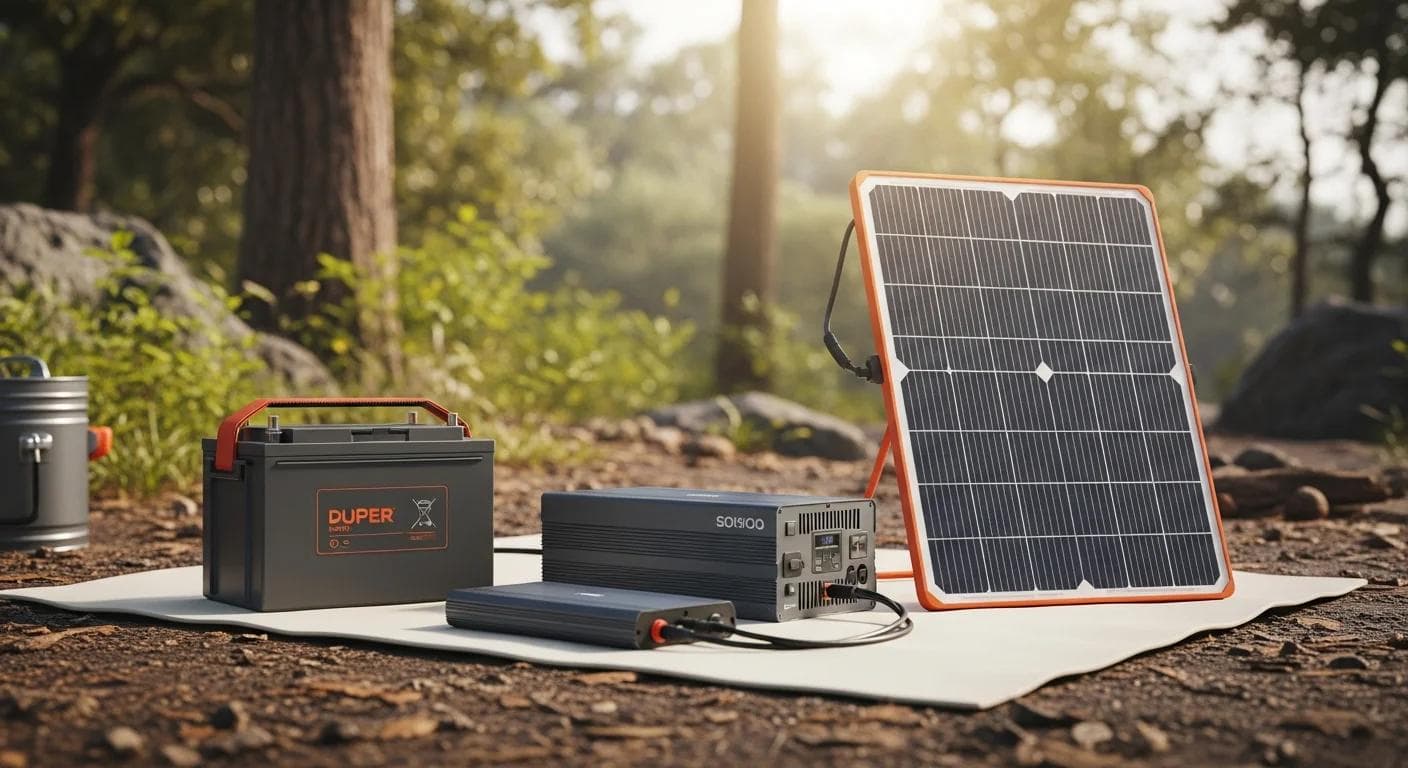
DIY Portable Power Station: Build Your Own Off-Grid Power Solution for Under $500
Discover how to build your own portable power station for under $500, saving money while customizing a reliable off-grid power solution for all your camping adventures.