Cooling Tips
Stay Cool: Essential Offroading Tips for Hot Weather Adventures
Introduction
Embarking on a summer off-roading adventure can be exhilarating, but it requires careful preparation to ensure both you and your vehicle remain cool under the sun. Understanding your vehicle's cooling system is crucial to prevent overheating, and with the right summer off-roading tips, you can enjoy a seamless adventure. This guide will provide you with essential insights into overheating prevention, dehydration management, and packing essentials for hot weather camping.
Understanding Your Vehicle's Cooling System
Your vehicle's cooling system is the silent hero that keeps your engine from overheating, especially during those rugged summer trails. Let's delve into how it works and how you can keep it in top shape.
The cooling system consists of several key components: the radiator, water pump, thermostat, and cooling fans. Together, they maintain a stable engine temperature by circulating coolant through the engine and dissipating heat. Regular maintenance is essential to prevent overheating and engine damage. Check your coolant levels frequently, and ensure there's a proper mixture of antifreeze and water. Inspect hoses for leaks or cracks and replace them as needed.
Pro Tip: Keep an eye on your engine temperature gauge. If it starts climbing, it's time to pull over and let your engine cool down. Regular inspections can save you from costly repairs and keep your adventures rolling smoothly.
Key Components Explained
- Radiator: Acts as a heat exchanger that transfers the heat from the coolant to the air. Ensure it's free from obstructions and damage.
- Water Pump: Circulates coolant throughout the engine. A failing pump can lead to overheating, so listen for unusual noises or leaks.
- Thermostat: Regulates the flow of coolant based on the engine's temperature. If stuck closed, it can cause overheating; if stuck open, it can prevent reaching optimal operating temperatures.
- Cooling Fans: Assist the radiator in cooling the engine, especially when the vehicle is stationary or moving slowly.
Troubleshooting Common Issues
- Coolant Leaks: Look for puddles under your vehicle or sweet-smelling steam from the engine.
- Overheating: Often caused by low coolant levels, blocked airflow to the radiator, or a malfunctioning thermostat.
- Coolant Contaminants: Milky appearance can indicate oil contamination, often due to a blown head gasket.

Summer Off-roading Tips: Keeping Your Cool
Offroading in hot weather requires a mix of strategy and preparation. Here's how to make the most of your summer escapades while keeping heat woes at bay.
- Time Your Adventures Wisely
The sun is at its peak between 10 a.m. and 4 p.m. Plan your trips for early mornings or late afternoons when temperatures are cooler. This not only helps in managing heat but also offers better lighting conditions for stunning views.
- Choose Your Trails Smartly
Select trails with natural shade from trees or rock formations. This can significantly reduce the ambient temperature and provide a cooler environment for both you and your vehicle.
- Gear Up Properly
Equip your vehicle with sunshades and window tints to minimize heat absorption. A well-ventilated cabin ensures you and your passengers remain comfortable. Consider investing in portable fans or cooling seat covers for added comfort.
Adventure Insight: Carry a thermometer to monitor cabin temperature and adjust your cooling strategies accordingly.
- Plan for Recovery
In case of an unforeseen overheating incident, having a recovery plan can be a lifesaver. Carry extra coolant, water, and basic tools for emergency repairs. Knowing where the nearest mechanic or auto parts store is located can also be beneficial.

Overheating Prevention: DIY Checks and Maintenance
Preventing your vehicle from overheating is crucial for a hassle-free adventure. Here's how you can keep your engine cool and collected.
- Regular Cooling System Checks
Inspect your radiator, cooling fans, and belts for wear and tear. Ensure that the radiator is free from debris and that the coolant is topped up. Flushing and replacing coolant bi-annually can prevent blockages and maintain efficiency.
- Avoid Aggressive Driving
Rapid acceleration and high-speed driving can increase engine strain. Maintain a steady pace and avoid stop-and-go driving in high temperatures to reduce the risk of overheating.
- Park Smart
When taking breaks, park your vehicle in shaded areas or use a sunshade to protect the dashboard and seats from direct sunlight. This not only keeps your vehicle cooler but also protects the interior from sun damage.
- Use High-Quality Coolant
Using high-quality or manufacturer-recommended coolant can improve the efficiency of your cooling system. Look for coolants with rust inhibitors and anti-corrosion properties to extend the life of your engine components.
Dehydration Management: Staying Hydrated On and Off the Trail
Keeping yourself hydrated is as important as maintaining your vehicle. Dehydration can sneak up on you, so here are some practical strategies to stay refreshed.
- Hydration is Key
Start hydrating before your adventure begins. Pack plenty of water and aim to drink regularly, even if you don't feel thirsty. Electrolyte-rich drinks can also help replace salts lost through sweat.
- Dress Appropriately
Wear light-colored, moisture-wicking clothing to stay cool. A wide-brimmed hat and sunglasses can provide additional protection from the sun's rays.
- Recognize the Signs
Be aware of dehydration symptoms such as dizziness, dry mouth, and fatigue. If you experience any of these, take a break, hydrate, and rest in a cool, shaded area.
Safety Reminder: Always carry a first-aid kit and know the signs of heat exhaustion and heat stroke. Quick response can make all the difference in a critical situation.
- Pack a Hydration Kit
Prepare a hydration kit with water bottles, electrolyte packets, and a reusable straw. Having easy access to water can encourage frequent sipping and prevent dehydration.

Packing Essentials for Hot Weather Camping
Camping in the heat requires thoughtful packing to ensure a safe and enjoyable experience. Here's a checklist to keep you cool and comfortable.
- Ventilated Tent
Choose a tent with good airflow and consider using a reflective tarp to deflect heat. Place your tent in a shaded area whenever possible.
- Cooling Accessories
Bring along portable fans, cooling towels, and a misting spray bottle. These simple tools can make a significant difference in your comfort levels.
- Lightweight Gear
Opt for lightweight sleeping bags and inflatable mattresses that don't retain heat. Compact camping gear not only saves space but also keeps your load light.
- Food and Beverage Tips
Prepare meals that don't require cooking over a hot stove. Cold salads, sandwiches, and pre-chilled snacks are great options. Consider using a cooler with ice packs to keep drinks refreshing.
Cooling System Checks: A Routine To-Do
Regular cooling system checks are your best defense against overheating. Here's a quick routine to incorporate before hitting the trails.
- Inspect the Radiator and Coolant
Check for leaks, blockages, and ensure the coolant level is adequate. A pressure test can help detect hidden leaks.
- Examine Belts and Hoses
Look for signs of wear and replace any components that appear cracked or frayed. A broken belt can lead to a sudden breakdown, so proactive maintenance is crucial.
- Test the Thermostat
Ensure your thermostat is functioning correctly. A faulty thermostat can cause inaccurate temperature readings and lead to overheating.
- Keep a Maintenance Log
Document each inspection and any maintenance performed. Keeping a log can help identify patterns and predict when parts might need replacement.
Conclusion: Embrace the Heat with Confidence
Offroading in hot weather can be a thrilling adventure when approached with the right mindset and preparations. By understanding your vehicle's cooling system, managing hydration, and packing smartly, you can turn the summer heat into just another part of the journey. Remember, adventure is better when you build it, and with these tips, you're well on your way to creating memorable summer escapades. So, gear up, stay cool, and let the trails lead you to new adventures!
Call to Action: Ready to conquer the summer trails? Share your offroading stories and tips in the comments below. Let's inspire each other to explore and create more adventures!
FAQs
What should I do if my vehicle overheats on the trail?
First, pull over safely and turn off the engine. Allow the vehicle to cool down before opening the hood. Check coolant levels and look for leaks. If necessary, add coolant and water in the correct mixture. Avoid removing the radiator cap while the engine is hot to prevent burns.
How often should I check the coolant and the cooling system?
Ideally, check your coolant levels every month and inspect your cooling system components such as the radiator, hoses, and belts every three months. Regular checks can prevent unexpected breakdowns and maintain optimal performance.
Can I use water instead of coolant in an emergency?
In an emergency, water can be used temporarily to top up coolant levels, but it's not recommended for long-term use. Water lacks the necessary anti-corrosive properties and freezing/boiling point modifications of coolant.
What are the signs of heat exhaustion versus heat stroke?
Heat exhaustion symptoms include heavy sweating, weakness, dizziness, and nausea. Heat stroke is more severe, with symptoms like confusion, lack of sweating, and a body temperature above 103°F (39.4°C). Immediate medical attention is required for heat stroke.
Is it safe to offroad alone in the summer?
While solo adventures can be enticing, it's safer to offroad with a partner or group, especially in extreme temperatures. If you must go alone, inform someone of your plans and expected return time, and carry a communication device for emergencies.
Community
Join the conversation
No comments yet. Be the first to share your thoughts!
Leave a comment
Keep tinkering
More adventure experiments
Solo Overlanding: The Essential Comms Kit for Adventurers
Explore essential communication tools for solo overlanders, including satellite messengers and GPS devices, to ensure safety and connectivity on your adventurous journeys.
Kinetic Recovery Rope or Static Strap: The Recovery Choice That Keeps Your Bumper Attached
Choosing between a kinetic recovery rope and a static strap can save your vehicle from damage during off-road recoveries, ensuring a safe and effective extraction.
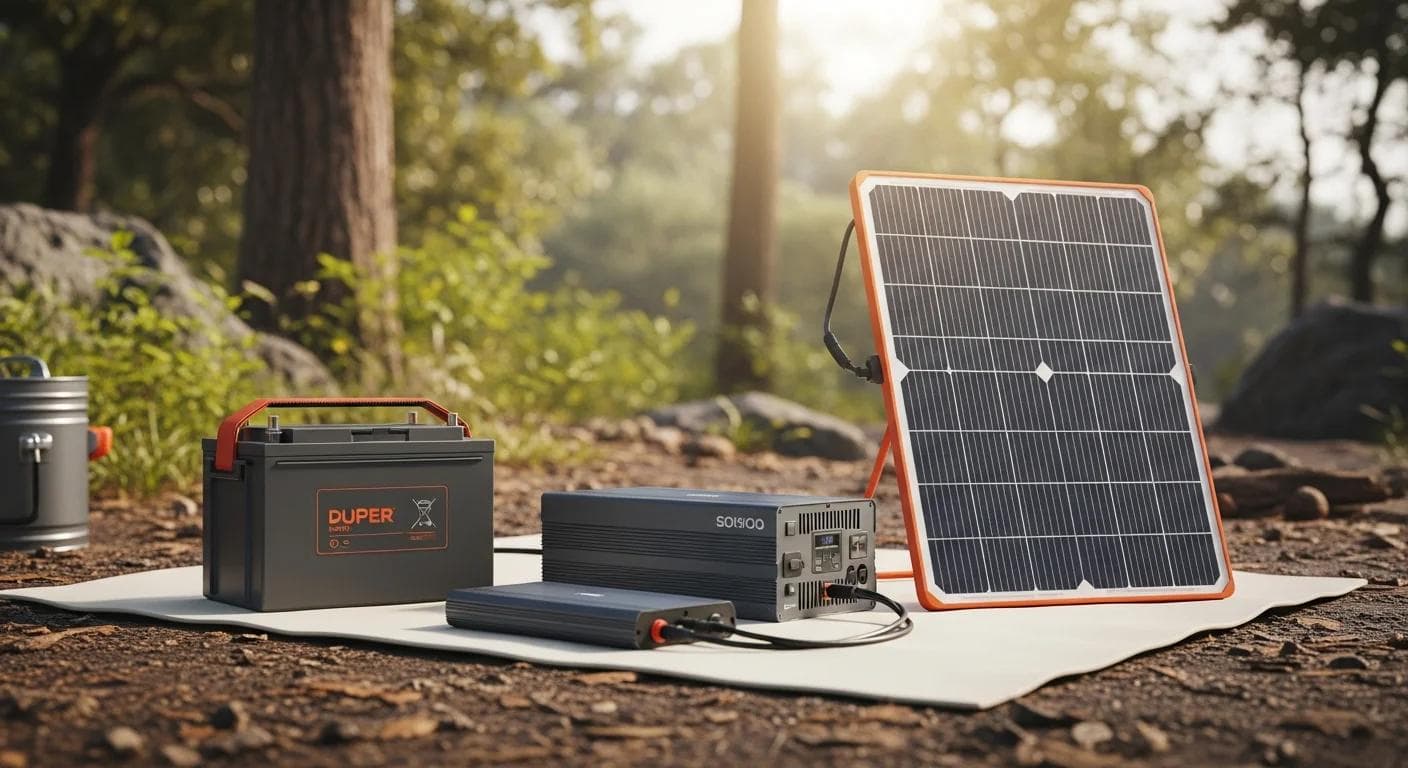
DIY Portable Power Station: Build Your Own Off-Grid Power Solution for Under $500
Discover how to build your own portable power station for under $500, saving money while customizing a reliable off-grid power solution for all your camping adventures.