Adventure Build
Explore the Health and Well-Being Benefits of Camping
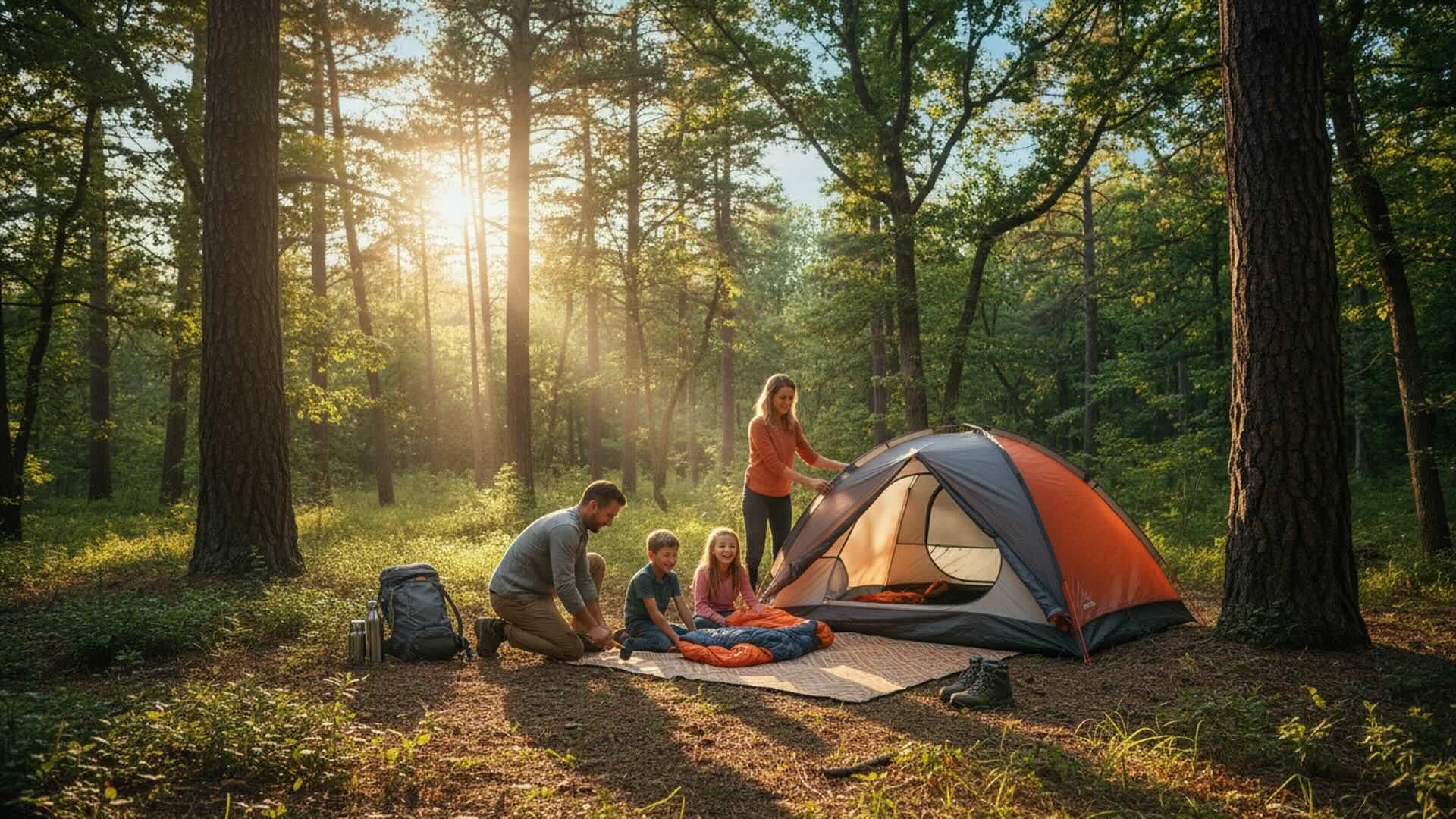
Camping is more than just a fun weekend getaway; it’s a powerful catalyst for enhancing our health and well-being. In an age where we’re often overwhelmed by the hustle and bustle of daily life, spending time outdoors can be the breath of fresh air we desperately need. From forging deeper connections with family to reaping significant health benefits, camping offers a treasure trove of rewards that go far beyond roasting marshmallows and sleeping under the stars. Let’s dive into the many reasons why camping is good for you and how you can make the most of your outdoor adventures!
The Health Benefits of Camping
1. Stress Reduction: Nature's Antidote
In today's fast-paced world, stress can feel like a constant companion. Camping provides a much-needed escape from the daily grind. Studies show that spending time in nature can significantly lower cortisol levels, the hormone associated with stress (Suwannee River Rendezvous). When you swap the hustle of urban life for the sounds of rustling leaves and flowing water, your body can relax and reset.
Imagine setting up your tent in a serene forest, away from the buzz of notifications and to-do lists. The absence of a rigid schedule allows you to embrace spontaneity—whether that's taking a leisurely hike or simply lounging by the campfire. This freedom contributes to a profound sense of relaxation, enhancing your mental clarity and emotional resilience.
Real-World Example: A Weekend Reset
Consider Sarah, a busy professional who found herself increasingly stressed from work. After a weekend camping trip, she reported feeling recharged and more focused. Away from her email and deadlines, she spent her days hiking, her evenings cooking over a fire, and her nights stargazing. This immersion in nature altered her stress response, helping her return to work with a clearer mind and a more positive outlook.
2. Boosting Mental Health
Camping is not just about physical activity; it's a significant boost for your mental well-being. Research indicates that engaging in outdoor activities like hiking and swimming can alleviate symptoms of anxiety and depression (PMC). The combination of physical exertion and immersion in natural settings fosters mindfulness and promotes a restorative experience.
When you unplug from digital distractions, you create space for self-reflection and personal growth. Whether it's journaling by a lake or meditating in a tranquil forest, these moments can lead to newfound clarity and peace of mind. Plus, the natural light exposure helps realign your circadian rhythms, leading to better sleep quality (Suwannee River Rendezvous).
Actionable Step: Mindfulness Practices
To further enhance your mental health during camping, consider incorporating mindfulness practices. Here’s a simple guide:
- Morning Meditation: Start each day with a 5-10 minute meditation. Find a quiet spot, close your eyes, and focus on your breath. Listen to the sounds of nature around you.
- Nature Walk: Go on a slow walk, paying attention to the sights, sounds, and smells of the forest. Notice the colors of the leaves, the sound of your footsteps, and the fresh air in your lungs.
- Gratitude Journaling: Each evening, jot down three things you’re grateful for from your day. This practice can help shift your focus to the positive aspects of your camping experience.
3. Strengthening Family Bonds
Camping is a fantastic way to forge deeper connections with loved ones. In the hustle of everyday life, meaningful conversations can be hard to come by. Camping provides an uninterrupted environment where family members can engage in heartfelt discussions, share stories, and create lasting memories.
Research shows that shared experiences, such as cooking over a campfire or hiking together, can strengthen familial relationships (KOA). Plus, tackling challenges—like setting up a tent in the rain—fosters teamwork and resilience. Trust me, nothing brings a family closer together than working as a unit to conquer the great outdoors!
Common Pitfalls and Solutions
While camping can strengthen family bonds, it’s essential to navigate potential pitfalls:
- Pitfall: Distractions from Technology: Families may find themselves distracted by devices. To avoid this, implement a "tech-free" rule during your trip. Create designated times for phone use, if necessary, to ensure quality time together.
- Solution: Group Activities: Plan activities that require teamwork, such as building a fire or cooking a meal together. Engaging in group tasks helps foster communication and collaboration.
Exploring the Great Outdoors: The Adventure Awaits
4. Physical Fitness: Get Moving!
Camping naturally encourages physical activity. From setting up your campsite to hiking scenic trails, you'll find yourself moving more than you might at home. Outdoor activities promote cardiovascular health, muscle strength, and overall fitness (Health Benefits of Camping).
Make the most of your camping experience by incorporating a variety of physical activities. Try kayaking on a calm lake, rock climbing, or even fishing. These adventures not only keep you active but also allow you to explore the beauty of nature. Remember, the more you move, the better you feel!
Advanced Tips: Staying Active
- Variety is Key: Mix up your activities to keep things interesting. Consider cycling, swimming, or even yoga outdoors to work different muscle groups.
- Set Goals: Challenge yourself with specific goals, such as hiking a certain distance or completing a set of exercises at your campsite. Having a target can boost motivation and satisfaction.
5. Nature Exploration: A Learning Experience
Camping is a fantastic opportunity for nature exploration, offering a hands-on learning experience for all ages. Children can develop a love for the environment, learning about ecosystems, wildlife, and the importance of conservation. Meanwhile, adults can deepen their understanding of local flora and fauna.
Engage your family in nature scavenger hunts or birdwatching sessions. This not only makes the experience educational but also encourages curiosity and teamwork. By fostering a connection with nature, you’re instilling values that can last a lifetime.
Visual Description: The Scavenger Hunt
Imagine a sunny afternoon as your family ventures into the woods, armed with a list of local flora and fauna to find. The excitement builds as you spot a vibrant red cardinal flitting through the trees. Your children eagerly check off items on their list, their faces lighting up with each discovery. This hands-on exploration not only teaches them about nature but also creates cherished memories.
6. The Power of Fresh Air
Let’s not underestimate the benefits of simply breathing fresh air! Camping in natural settings increases your oxygen intake and enhances your overall well-being (Health Benefits of Camping). The fresh air is a stark contrast to the often stale air found in urban environments, contributing to improved respiratory function and energy levels.
Plus, the exposure to sunlight boosts your vitamin D levels, which is crucial for maintaining strong bones and a healthy immune system. So while you’re out there enjoying the great outdoors, you’re simultaneously nurturing your body!
Actionable Step: Breathing Techniques
To maximize the benefits of fresh air, practice these simple breathing techniques:
- Deep Breathing: Inhale deeply through your nose for a count of four, hold for four, and exhale through your mouth for six. Repeat this several times to increase oxygen flow and feel more energized.
- Nature Sounds: As you breathe, listen to the sounds of nature around you. This can enhance your connection to the environment and promote relaxation.
Practical Tips for a Successful Camping Trip
7. Essential Adventure Gear: What to Pack
To get the most out of your camping experience, packing the right gear is essential. Here’s a checklist of adventure gear that will set you up for success:
- Tent and Sleeping Gear: Ensure you have a sturdy tent, sleeping bag, and sleeping pad for a comfortable night’s sleep.
- Cooking Equipment: Bring portable cooking gear, such as a camping stove, utensils, and food storage containers.
- Outdoor Clothing: Pack moisture-wicking layers, waterproof jackets, and sturdy hiking boots to keep you comfortable and protected.
- Safety Supplies: Don’t forget first aid kits, insect repellent, and sunscreen to stay safe while enjoying the outdoors.
Additional Research Insights: The Importance of Quality Gear
Investing in quality gear can significantly enhance your camping experience. According to a study by the Outdoor Industry Association, proper equipment not only improves safety but also increases enjoyment. High-quality tents and sleeping bags can lead to better rest, while durable cookware can make meal preparation easier and more enjoyable. Here are 9 Must-Have Items for Camping and Overlanding to help get you started.
8. DIY Camping Gear Modifications: Get Creative
Want to make your camping experience even better? Consider some DIY gear modifications! Here are a few ideas that can enhance your setup:
- Custom Storage Solutions: Use old plastic containers or create hanging organizers to keep your camping gear tidy and accessible.
- Portable Cooking Setups: Build a portable camp kitchen using wooden crates or repurposed materials, allowing you to cook more efficiently.
- Comfort Enhancements: Craft personalized sleeping arrangements with added cushions or even a DIY hammock for lounging.
These modifications not only improve functionality but also add a personal touch to your camping experience. Plus, getting hands-on with DIY projects can be a fun family activity!
Common Pitfall: Overpacking
One common mistake that campers make is overpacking. To avoid this, stick to a packing list and prioritize essential items. Remember that the more streamlined your gear, the easier it will be to set up and enjoy your trip.
9. Hiking Tips to Make the Most of Your Adventure
Hiking is a cornerstone of camping, and having some solid hiking tips can elevate your experience. Here are a few to keep in mind:
- Plan Your Route: Research trails ahead of time to find ones suitable for your fitness level and interests.
- Stay Hydrated: Carry enough water and snacks to keep your energy levels up during your hike.
- Dress in Layers: Temperatures can fluctuate in the great outdoors, so dressing in layers allows you to adjust as needed.
- Leave No Trace: Practice responsible hiking by following the Leave No Trace principles to protect the environment.
Actionable Step: Trail Mapping
Before hitting the trail, consider mapping out your route using mobile apps or printed maps. This not only helps you stay on course but also allows you to identify points of interest along the way. Don’t forget to note down any rest stops or scenic viewpoints to enhance your hiking experience!

New Perspectives: The Environmental Impact of Camping
10. Eco-friendly Camping Practices
As camping enthusiasts, it's essential to consider our impact on the environment. Here are some eco-friendly practices to adopt:
- Leave No Trace: Always pack out what you pack in. This includes trash, leftover food, and other waste.
- Use Biodegradable Products: Opt for biodegradable soaps and detergents to minimize your ecological footprint.
- Choose Sustainable Gear: Look for camping gear made from recycled or sustainably sourced materials.
By adopting these practices, you not only enjoy nature but also contribute to its preservation for future generations.
Conclusion: Embrace the Great Outdoors!
Camping is a multifaceted experience that offers a plethora of physical and mental health benefits while also strengthening family bonds and fostering a love for nature. From stress reduction and improved mental clarity to the joy of shared experiences, the advantages of camping are truly invaluable.
So, whether you’re a seasoned camper or a curious beginner, it’s time to pack your adventure gear and hit the great outdoors. Embrace the beauty of nature, take time to connect with loved ones, and enjoy the rejuvenating power of camping. Your body, mind, and relationships will thank you!
Ready for your next adventure? Don't forget to check out our post on 9 Must-Have Items for Camping and Overlanding to make sure you have everything you need.
Grab your gear, gather your family, and let the camping magic begin!

Community
Join the conversation
No comments yet. Be the first to share your thoughts!
Leave a comment
Keep tinkering
More adventure experiments
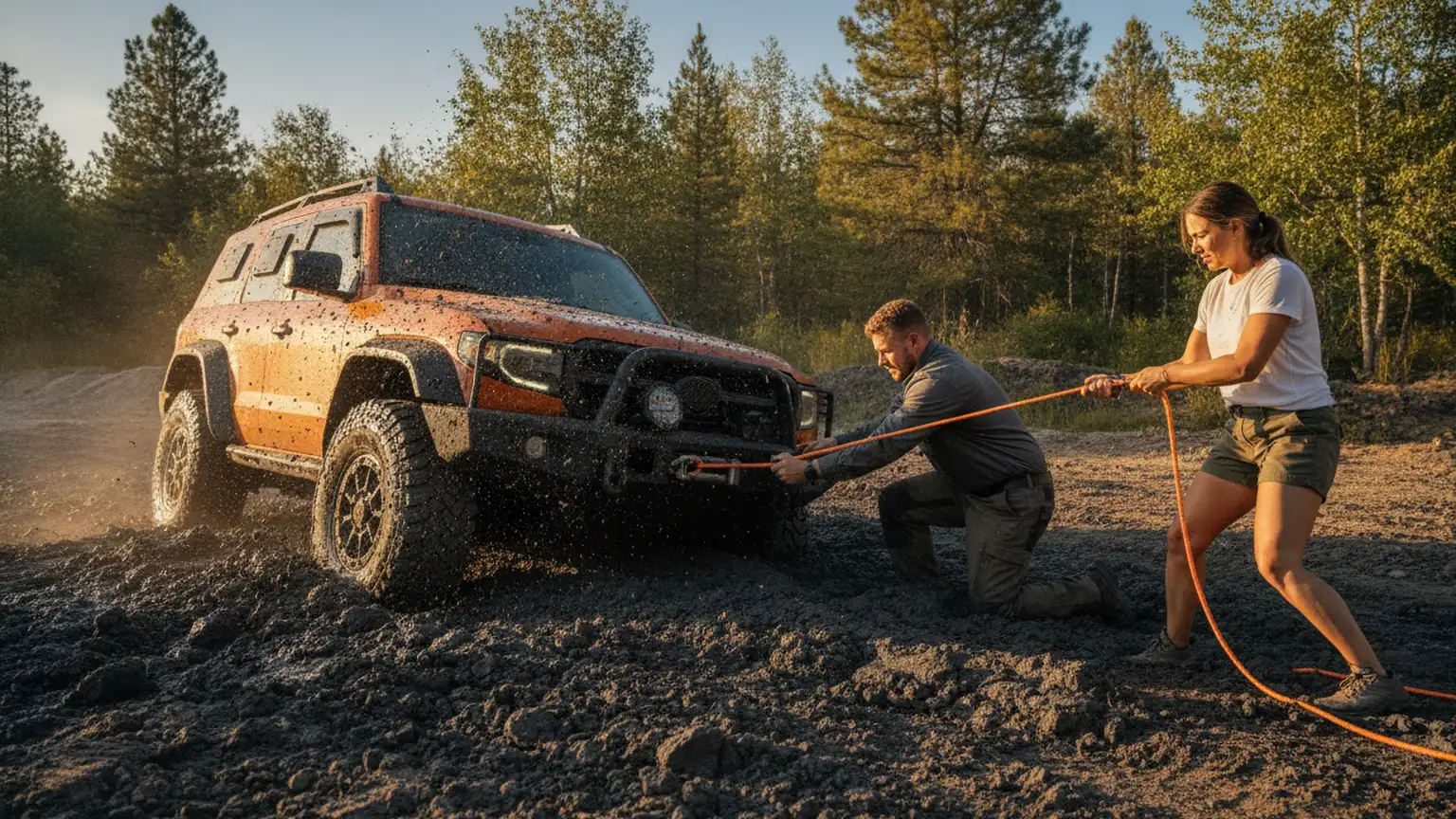
Kinetic Rope or Static Strap: The Recovery Choice That Keeps Your Bumper Attached
Discover the crucial differences between kinetic ropes and static straps for vehicle recovery, ensuring your next adventure doesn't end in disaster. Make informed choices to keep your vehicle—and pride—intact.
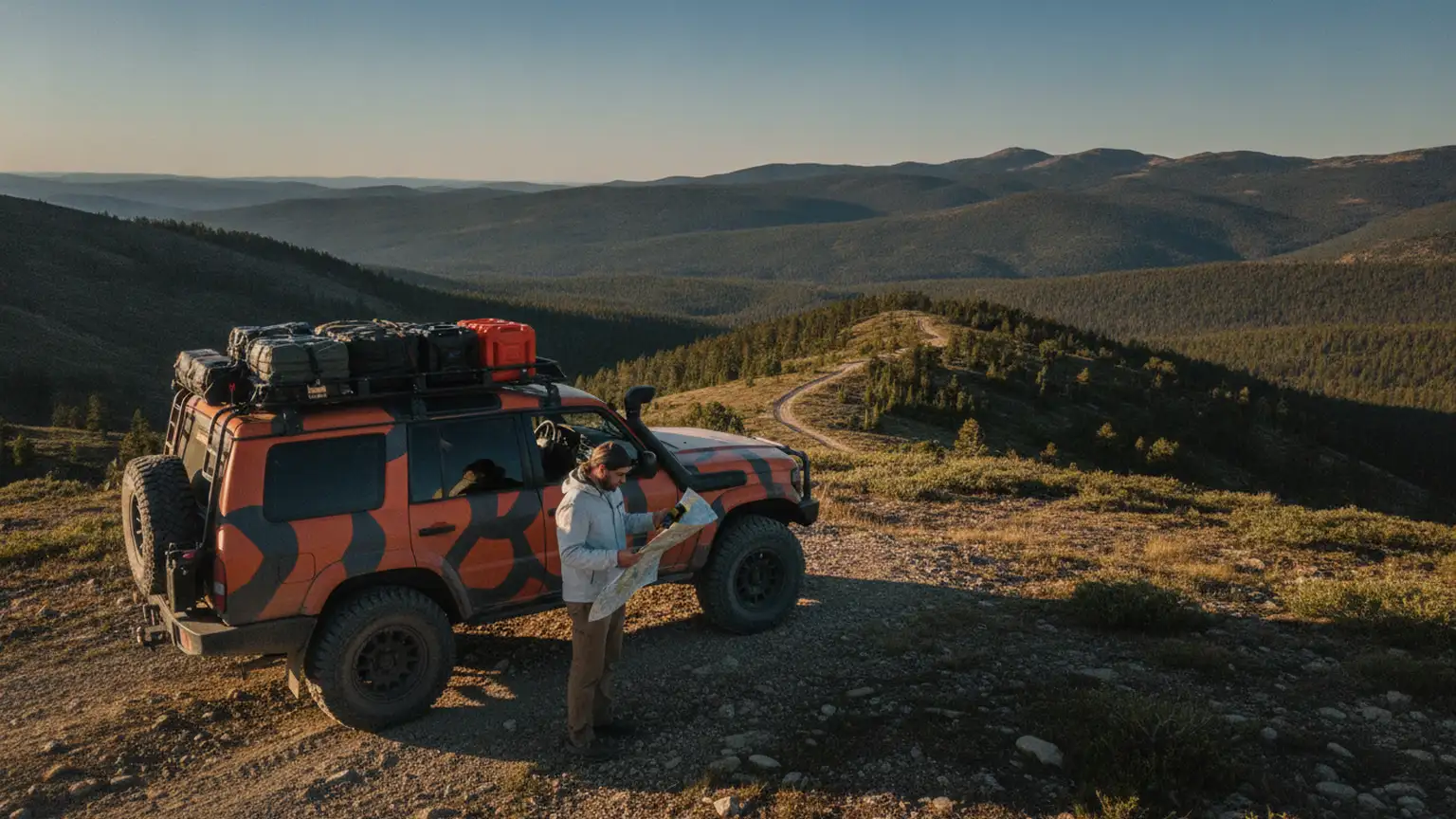
Solo Overlanding: The Essential Comms Kit for Adventurers
Explore essential communication tools for solo overlanders, including satellite messengers and GPS devices, to ensure safety and connectivity on your adventurous journeys.
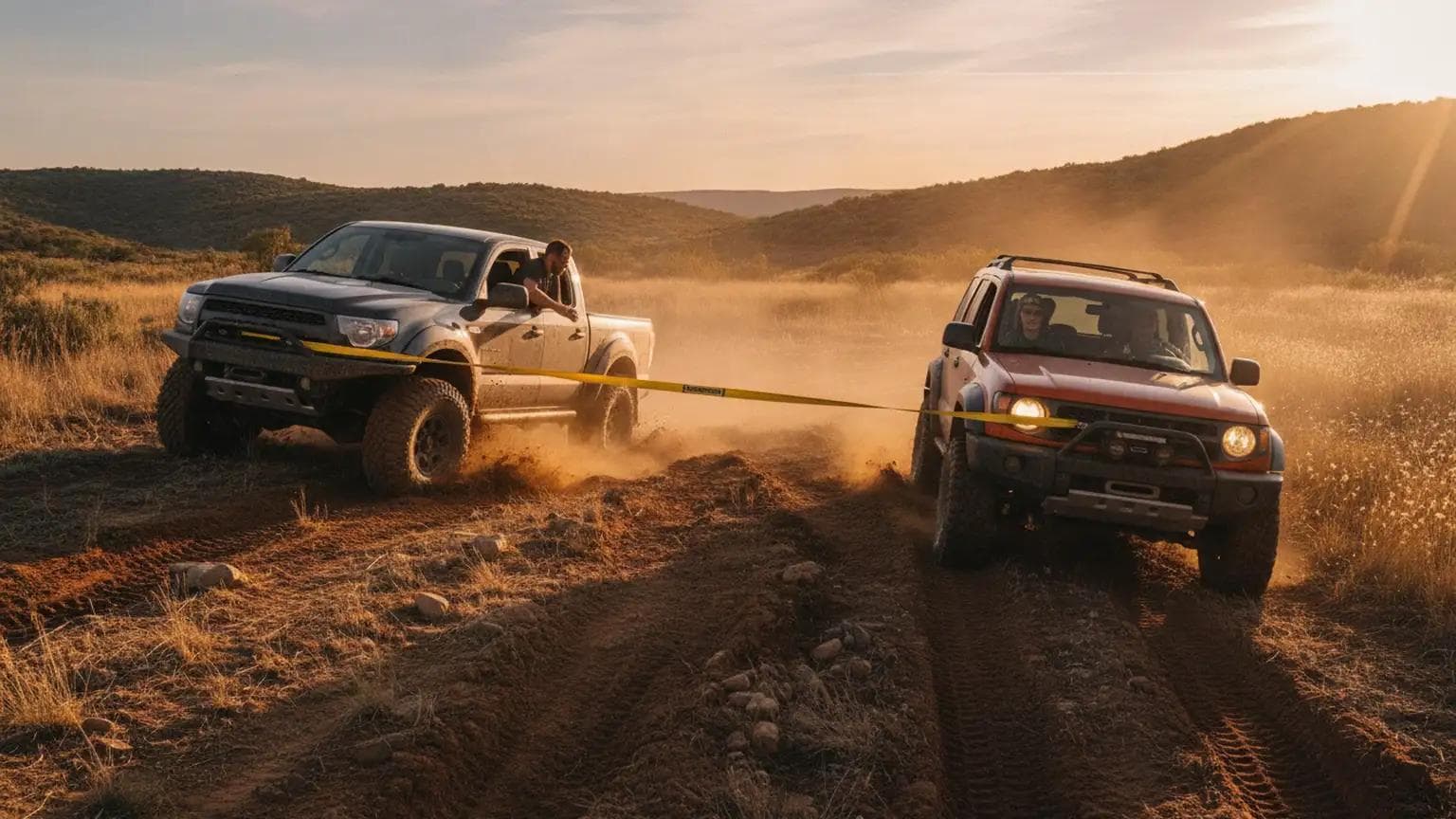
Kinetic Recovery Rope or Static Strap: The Recovery Choice That Keeps Your Bumper Attached
Choosing between a kinetic recovery rope and a static strap can save your vehicle from damage during off-road recoveries, ensuring a safe and effective extraction.