Build guides are grouped into four main systems:
Each system covers a different part of what makes an overland vehicle usable on long trips. Together, they form a complete picture of how a vehicle is powered, how it handles difficult terrain, how gear is carried, and how people live out of it.
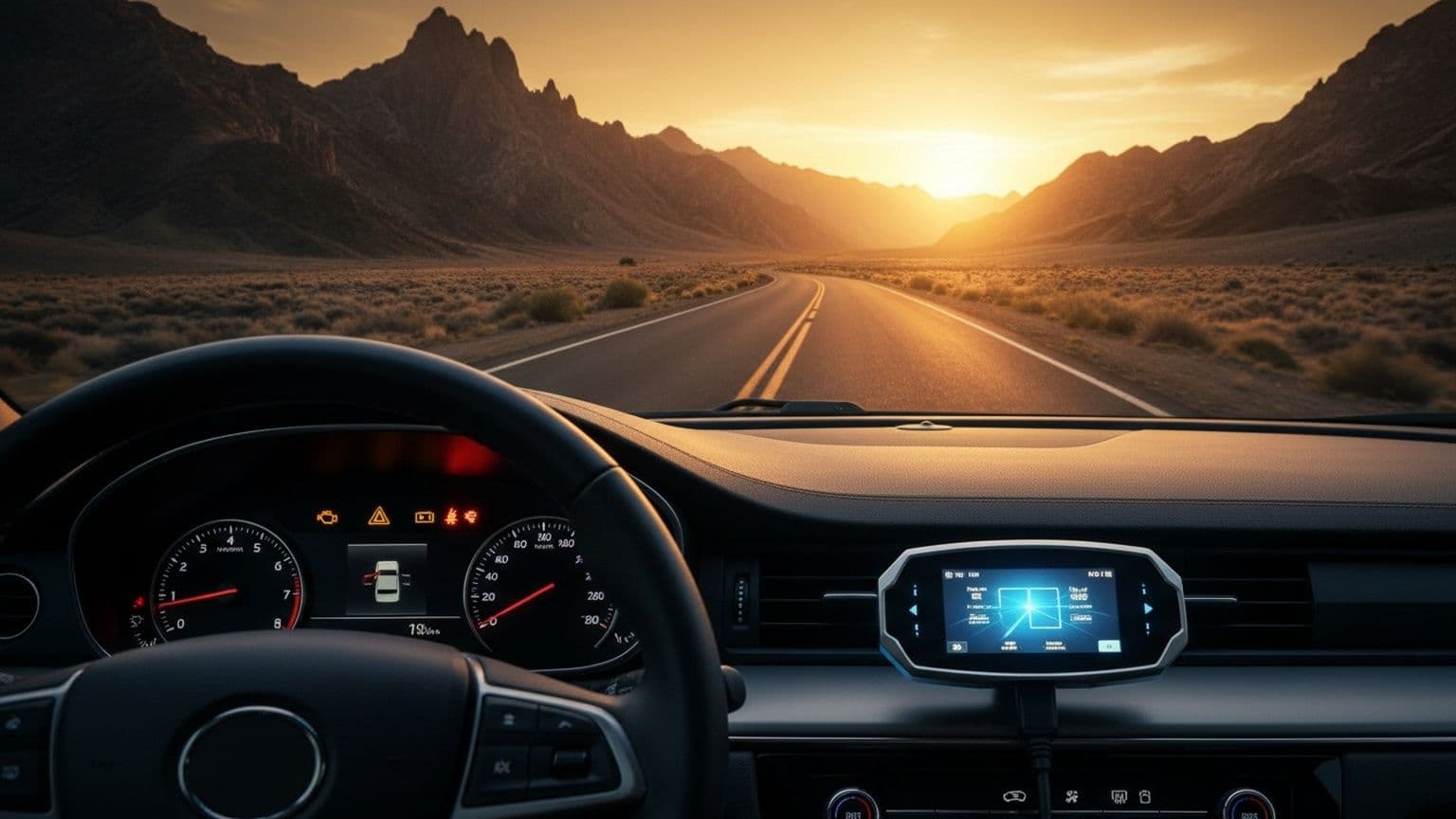
This section covers how energy is generated, stored, and distributed in an overland vehicle. It includes batteries, charging systems, wiring, lighting, and integration of electronic accessories such as fridges and navigation equipment.
A reliable electrical system is the foundation for almost every modern overland upgrade.
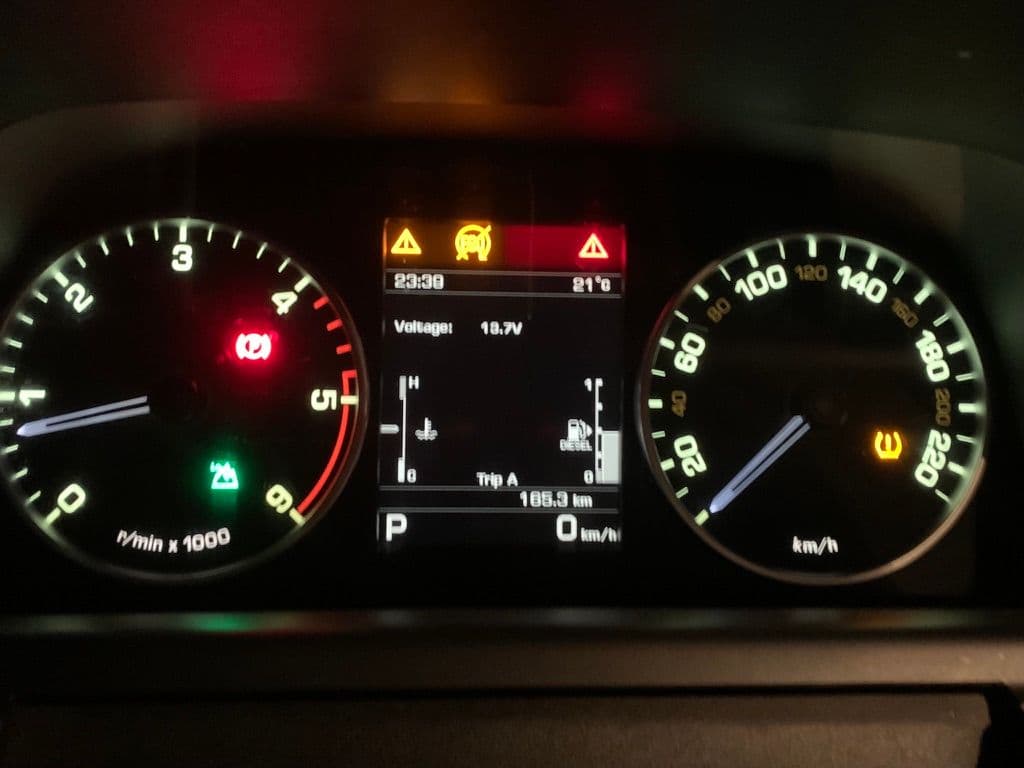
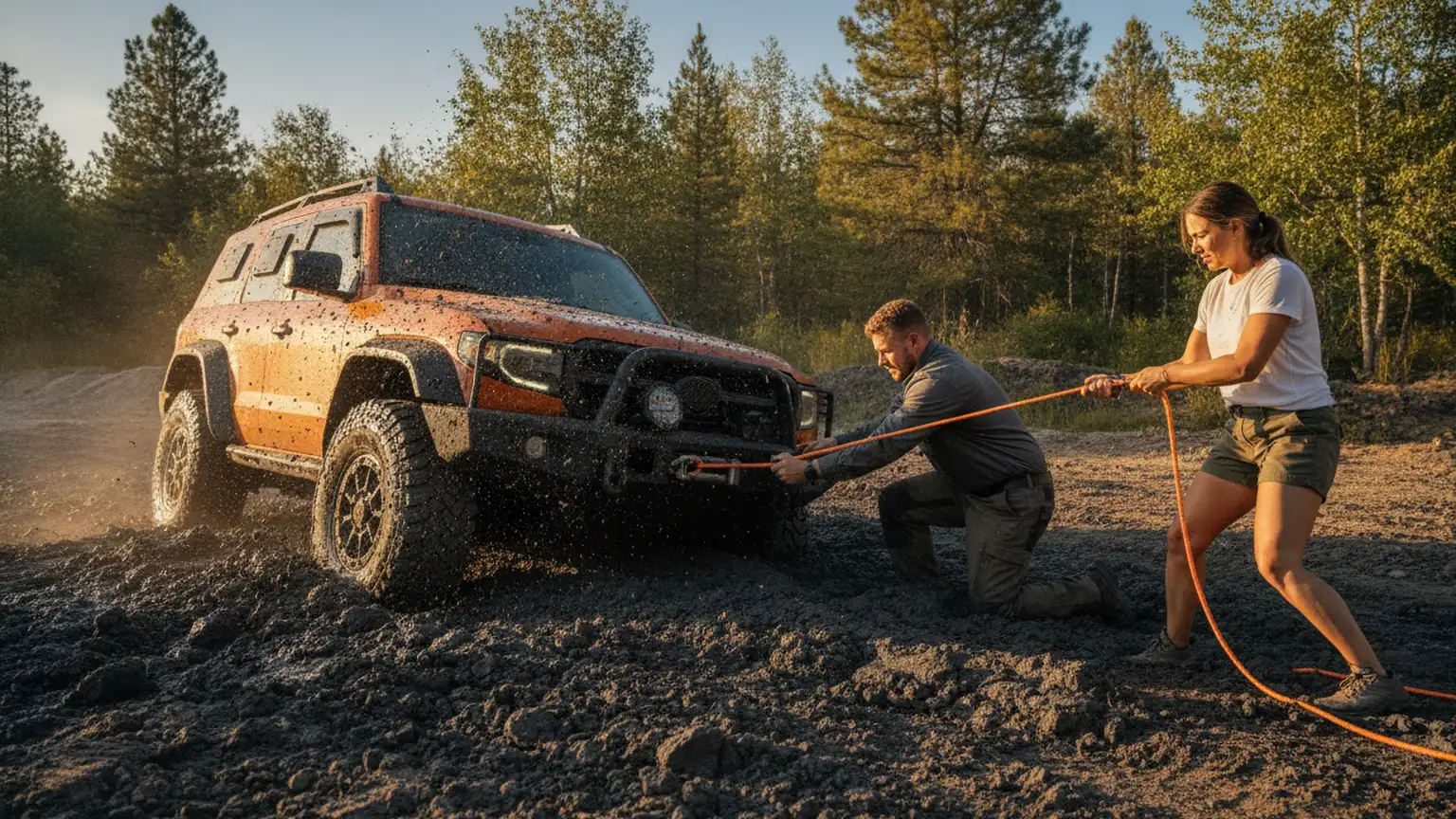
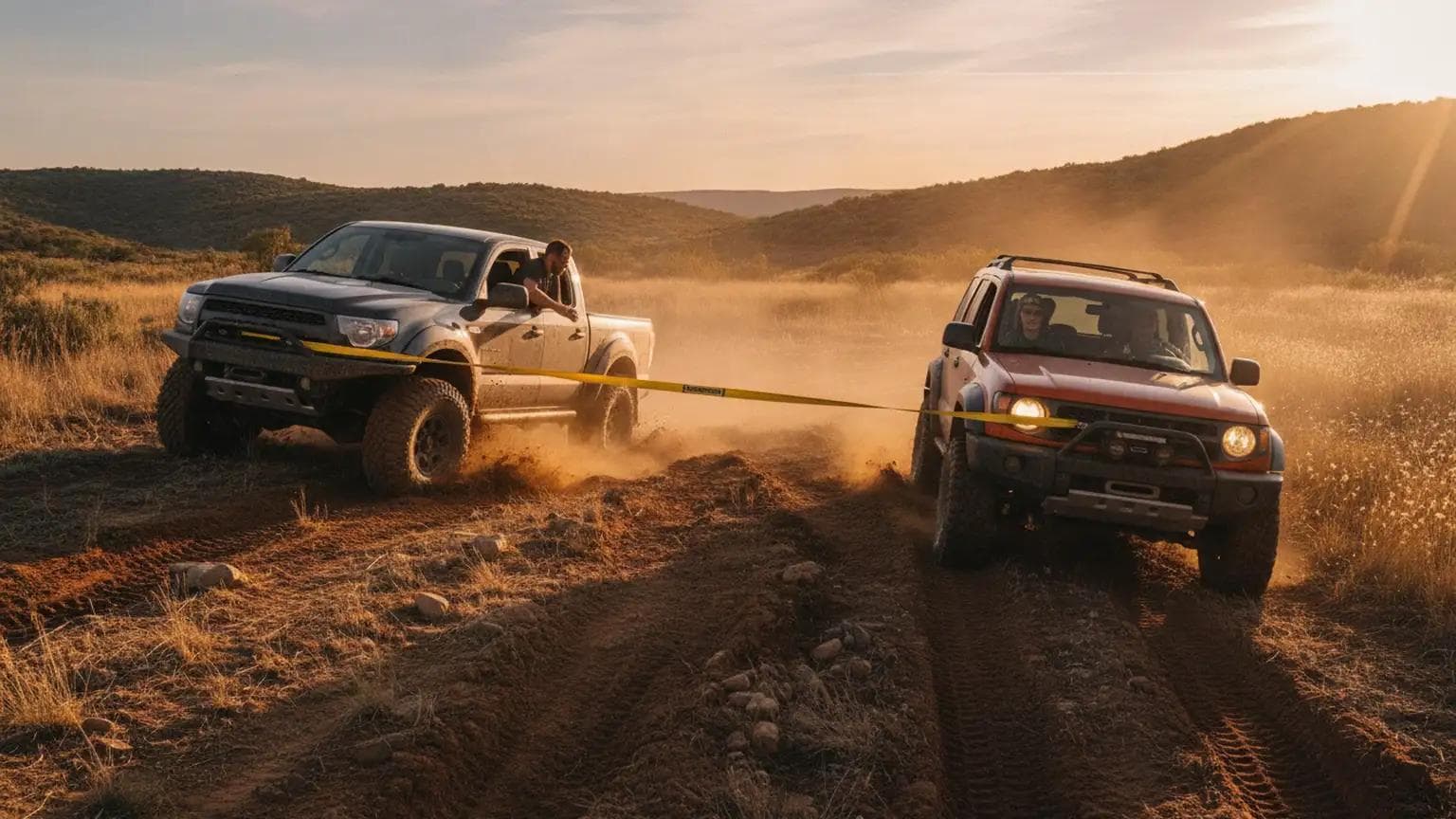
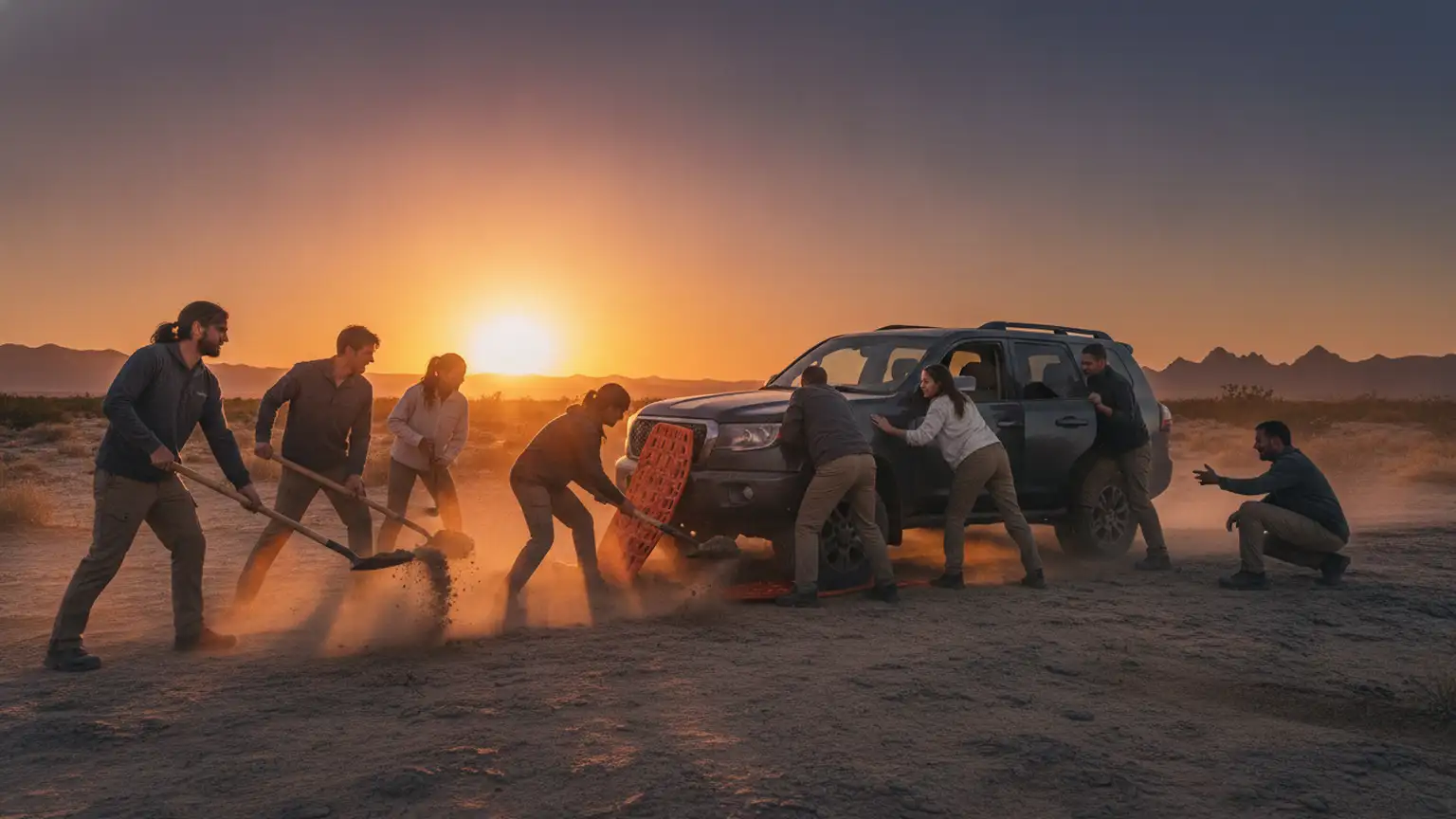
This section focuses on how a vehicle moves and survives off-road. It includes traction, obstacle handling, winches, recovery gear, diagnostics, and protective equipment.
These systems determine whether the vehicle can continue moving when terrain becomes difficult and whether it can avoid or survive damage.
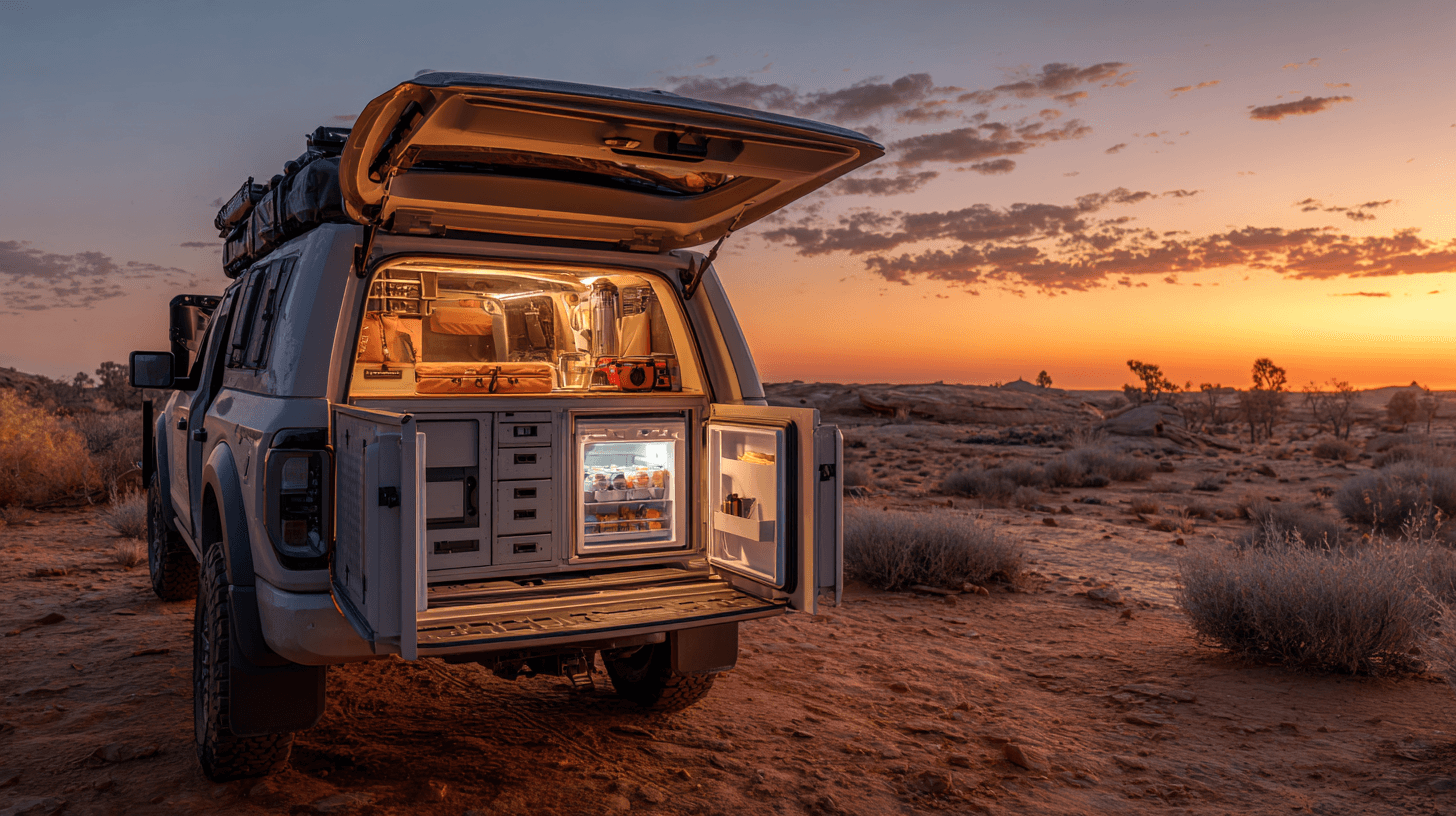
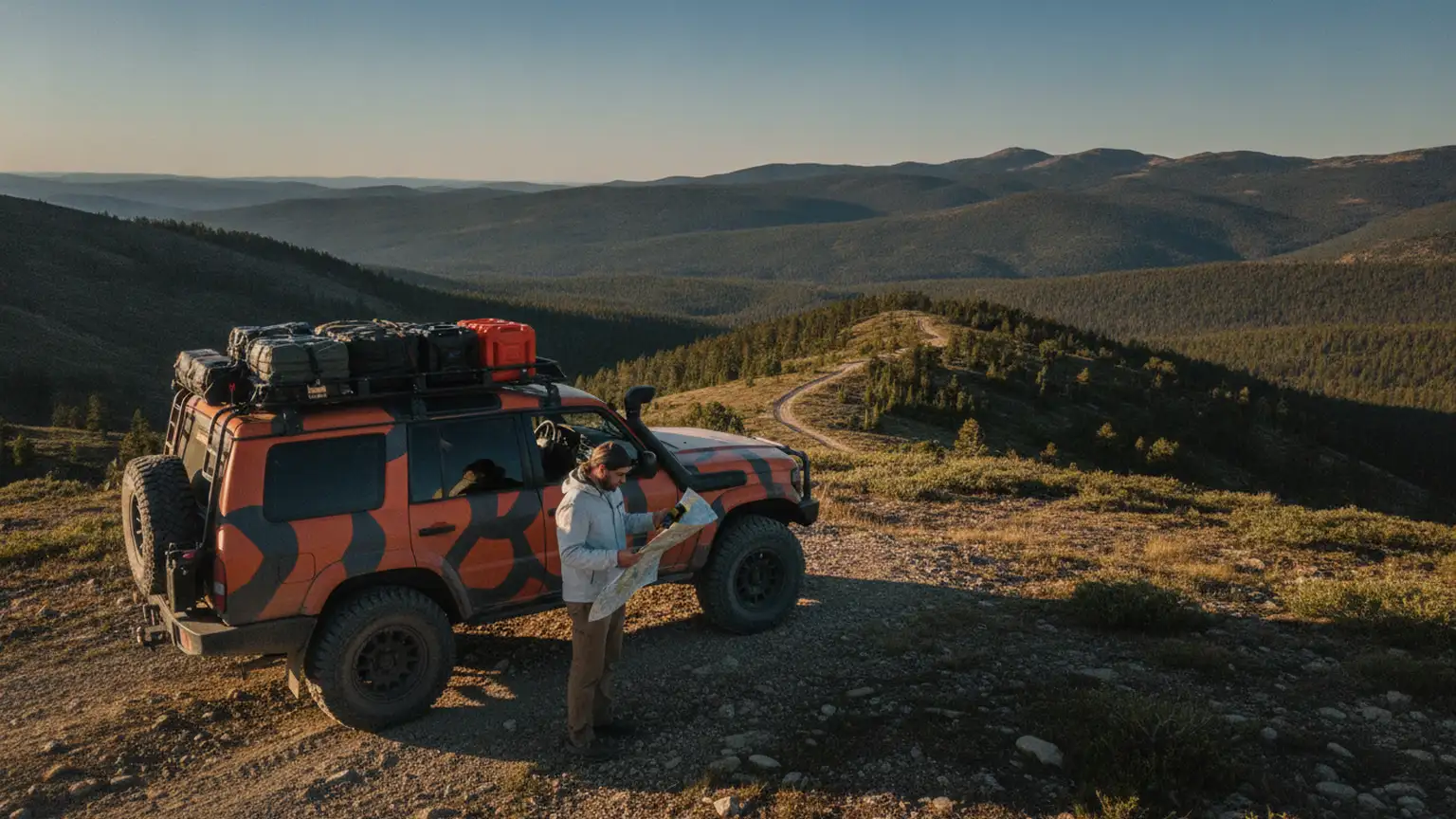
This section addresses how gear is carried and accessed. It includes roof racks, drawer systems, fridge mounts, sleeping platforms, and interior layouts.
Good storage is not about fitting more equipment. It is about making essential gear easy to reach and safe to transport.
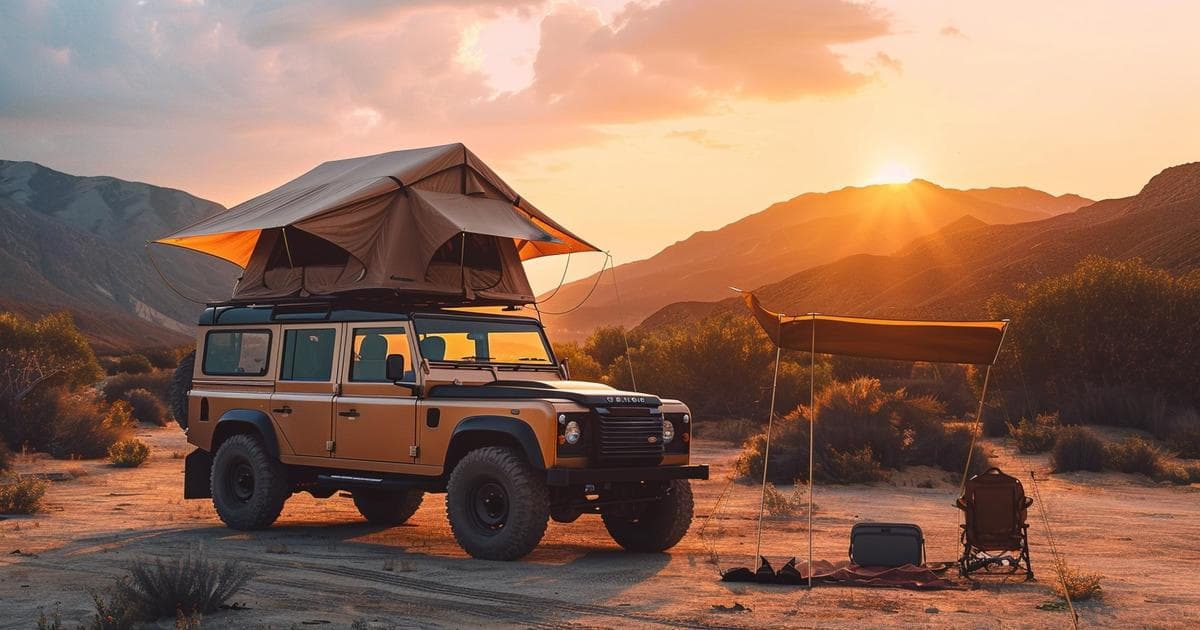
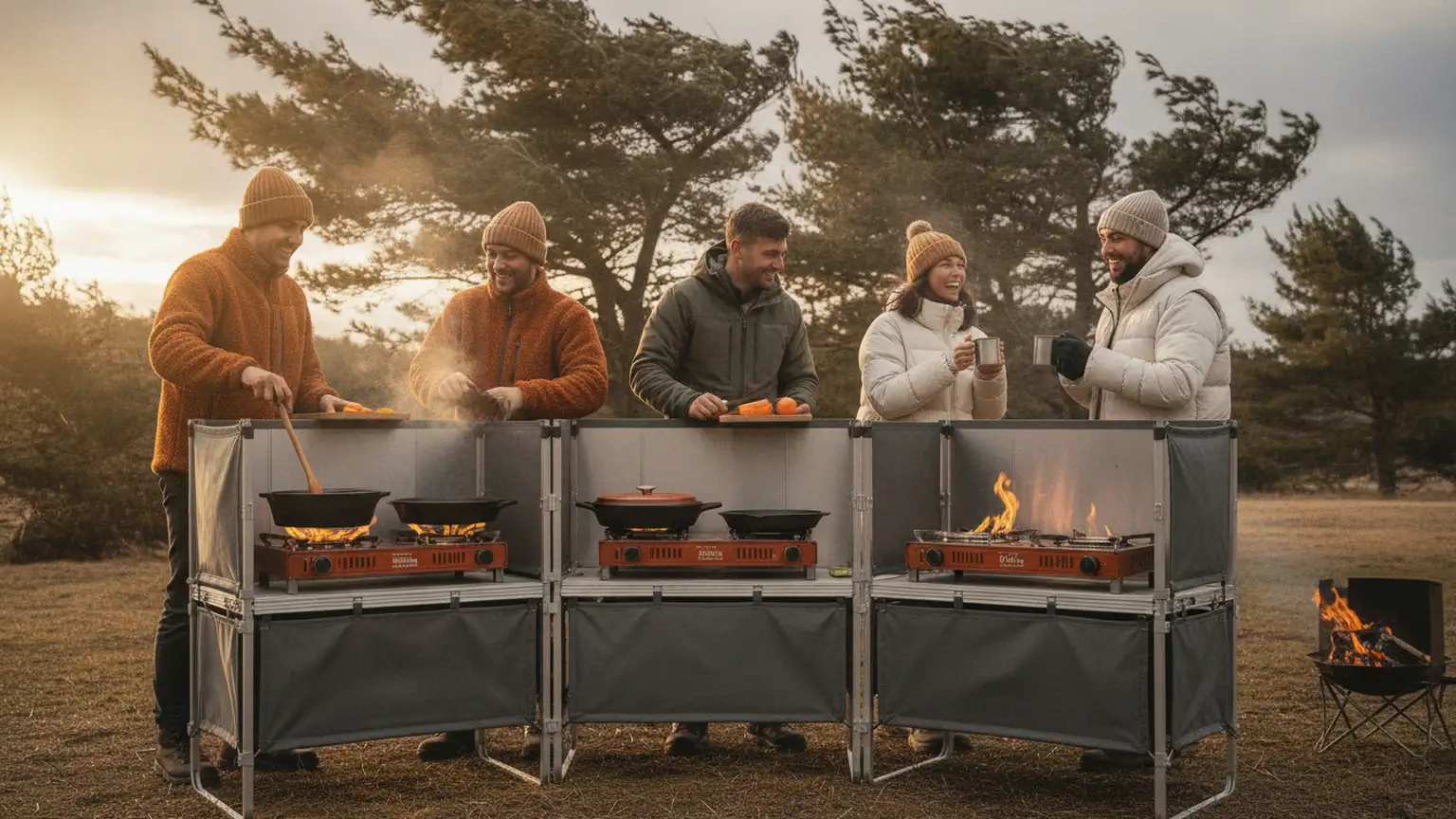
This section covers the systems that make long trips possible: water storage, pumps, cooking setups, refrigeration, showers, and sleeping comfort.
These systems support health, hygiene, and rest, which directly affect safety and decision-making on the trail.
Overland builds should grow in stages. Each upgrade should solve a specific problem and integrate cleanly with existing systems. Complicated designs fail more often and are harder to repair in remote areas.
The goal is not to build the most modified vehicle. The goal is to build a vehicle that can be trusted to complete long journeys repeatedly.
If you are new to building an overland vehicle, begin by understanding how your vehicle will be used and which systems matter most for your style of travel.
Most builds follow a similar order: improve power and reliability first, then add recovery and protection, then organize storage, and finally improve comfort.
A good build supports the journey rather than becoming the focus of it.