
Camping & Nature
Camp Kitchen: Mastering Outdoor Cooking in Windy Conditions
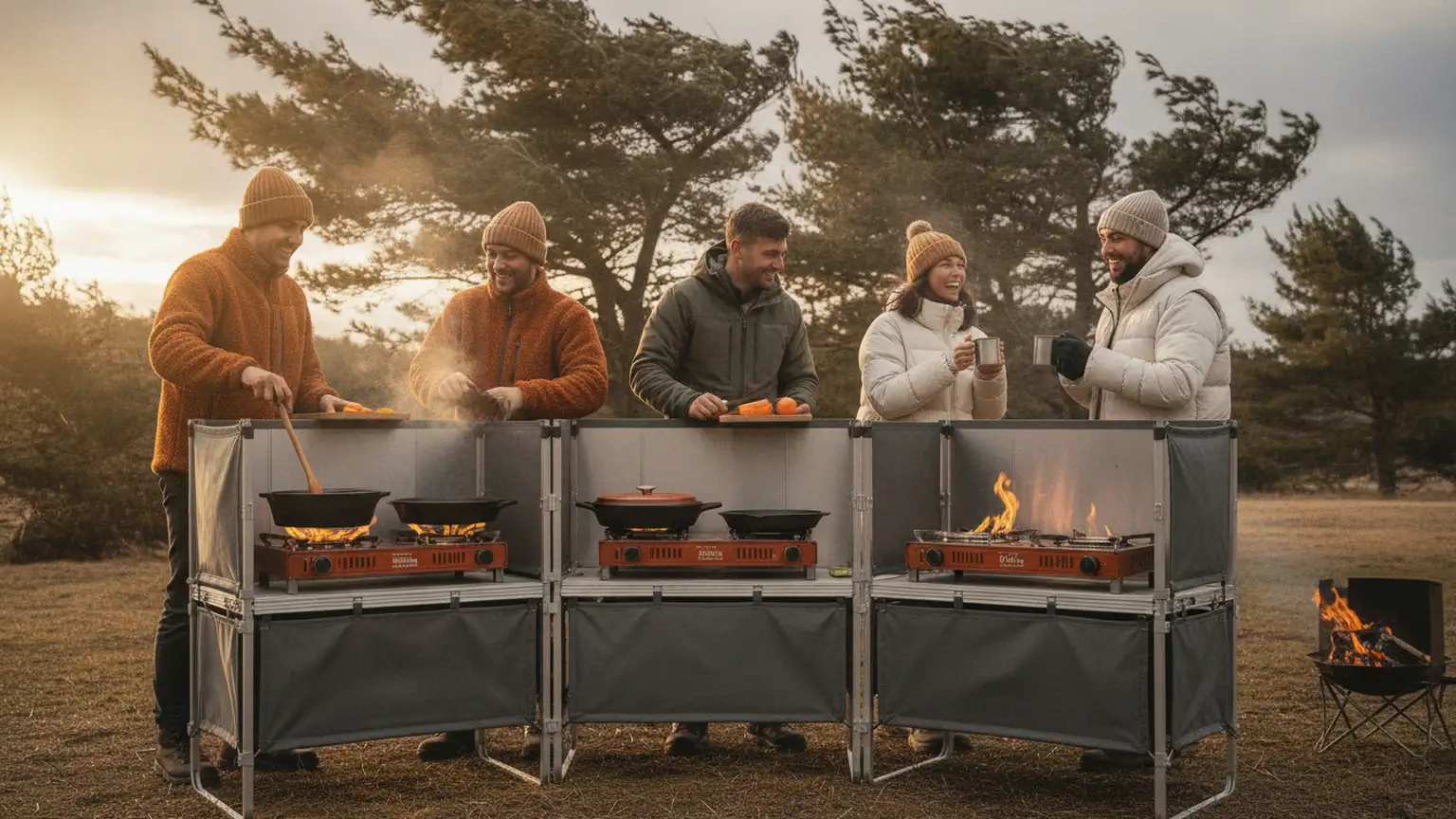
Camp Kitchen Mastery: Outdoor Cooking in Windy Conditions
Imagine this: you're out in nature, the stars above, the campfire crackling, and you're ready to use your camp kitchen for outdoor cooking that rivals any restaurant dish. But there's a catch — the wind is relentless, threatening to turn your culinary dreams into a sand-sprinkled disaster. Fear not, fellow adventurer, because this guide will help you build a camp kitchen that works in the wind, not just in glossy product photos.
Best Wind-Resistant Camp Kitchen
A wind-resistant camp kitchen is designed to function efficiently despite challenging weather conditions. It includes wind-blocking features, sturdy setups, and versatile equipment that can handle variable outdoor elements. By investing in robust gear and planning strategically, you can ensure your camp kitchen withstands the breeze and delivers delicious meals.
Key Elements of a Wind-Resistant Setup
- Sturdy Table: Choose a folding table with wind-blocking panels or create makeshift barriers with tarps or rocks.
- Reliable Stove: Invest in a multi-fuel stove known for its wind resistance, such as the MSR WhisperLite International.
- Heavy Cookware: Use cast iron or other weighty pots and pans to keep them stable in gusty conditions.
- Wind Shields: Create custom windbreaks using durable materials like aluminum sheets or windscreen kits.

How to Cook Outdoors in Wind
Cooking in the wind requires a mix of creativity and the right equipment. Here's how to do it effectively:
1. Choose the Right Location
Find a natural windbreak, such as a group of trees or a rocky outcrop. Position your kitchen setup on the leeward side to minimize wind exposure. If natural barriers aren't available, create your own using tarps or windbreaks.
2. Secure Your Gear
Ensure your table and stove are stable. Use heavy rocks or sandbags to weigh down lighter items. This prevents unexpected gusts from toppling your gear mid-cooking.
3. Optimize Your Stove
Opt for a stove with an integrated windscreen or use a portable windbreak. Fuel-efficient models, like the WhisperLite, maintain a steady flame even in breezy conditions.
4. Use Heavy Cookware
Heavy pots and pans prevent tipping and improve heat retention. Cast iron, though heavier, is excellent for maintaining consistent cooking temperatures.
5. Simplify Your Recipes
Stick to one-pot meals that minimize the need for multiple cooking processes. This not only reduces cooking time but also lessens the impact of wind on open flames.
Camp Cooking Tips for Windy Weather
Cooking in wind requires adapting your techniques to maintain meal quality. Here are some practical tips to enhance your camp cooking experience:
- Pre-Chop Ingredients: Prepare ingredients at home to reduce exposure time to the wind.
- Use Lids: Cover pots and pans to retain heat and prevent debris from entering your meals.
- Monitor Fuel Usage: Wind can increase fuel consumption. Carry extra fuel to avoid running out mid-meal.
- Keep It Simple: Focus on easy-to-cook meals that don’t require constant attention or multiple steps.

Why One-Pot Camping Recipes are a Game-Changer
One-pot meals are a cornerstone of efficient camp cooking, especially in windy conditions. Not only do they minimize cleanup and reduce the number of items you need to manage, but they also embody the spirit of togetherness and simplicity.
The One-Pot Relationship Strategy
Cooking together fosters connection and teamwork. Preparing a shared meal in a single pot encourages conversation and collaboration, making the process as enjoyable as the outcome.
Recipe Suggestions
- Chili Con Carne: A hearty dish that warms the soul and is easy to make in one pot.
- Pasta Primavera: Simple yet satisfying, this dish combines pasta, seasonal vegetables, and a sprinkle of cheese.
- Curry Stir-Fry: Quick to prepare and packed with flavor, this dish works well with a variety of ingredients.
Water Management for Outdoor Cooking
A 10-liter water cube is more efficient than multiple small bottles, providing a reliable water source for cooking and cleaning. Here's how to optimize your water use:
1. Efficient Water Storage
Choose BPA-free containers and consider larger sizes for group trips. According to LuminAID, a 5-gallon cube is ideal for portability and capacity.
2. Safe Drinking Solutions
Use portable filters to ensure a clean water supply. Filtering water from natural sources is crucial for maintaining health and safety.
3. Water-Saving Tips
- Reuse Cooking Water: Cool and reuse water used for boiling pasta or vegetables for cleaning dishes.
- Limit Waste: Only bring as much water as needed, based on the number of campers and the trip's duration.

Fire Restrictions vs. Stove Cooking
Understanding local fire regulations is crucial for safe and legal camp cooking. Many areas impose fire bans during dry periods, making stove cooking a safer and more viable option.
Benefits of Stove Cooking
- Consistent Heat: Stoves provide a reliable heat source regardless of weather conditions.
- Safety: Reduced risk of uncontrolled fires, especially in dry conditions.
- Portability: Easy to pack and transport compared to setting up a campfire.
Adapting to Restrictions
Before your trip, check regional fire restrictions and plan to use a camp stove if open fires are prohibited. This ensures compliance and safety during your outdoor adventure.
Designing the Perfect Camp Kitchen for Wind, Water, and Washing Up
Creating a functional and efficient camp kitchen involves thoughtful design and planning. Here's how to optimize your setup for a seamless cooking experience:
1. Layout and Organization
Set up your kitchen in a U-shape for easy access to all components. Keep prep areas separate from cooking and cleaning stations to streamline the process.
2. Equipment Essentials
- Folding Table with Windbreaks: Provides a stable surface and shields from the wind.
- Multi-Fuel Stove: Versatile and efficient for various cooking needs.
- 10-Liter Water Cube: Centralizes water resources for cooking and cleaning.
3. Cleaning Station
- Biodegradable Soap: Eco-friendly for washing dishes.
- Scrubbing Pads: Efficient for removing food debris without excessive water use.
Frequently Asked Questions
What is the best wind-resistant camp kitchen setup?
The best setup includes a sturdy table with windbreaks, a reliable multi-fuel stove, heavy cookware, and a well-organized layout. Incorporating wind-blocking features ensures stability and efficiency in meal preparation.
How do I cook outdoors in windy conditions?
Choose a shielded location, secure your gear, use a stable stove with wind protection, and simplify recipes. Heavy cookware and pre-chopped ingredients further enhance the cooking process in windy environments.
What are the benefits of one-pot camping recipes?
One-pot meals reduce cleanup time, simplify cooking processes, and promote teamwork and connection among campers. They are a practical and enjoyable way to prepare meals in outdoor settings.
How do I manage water efficiently while camping?
Use a 10-liter water cube for centralized storage, apply portable filters for safe drinking water, and reuse cooking water for cleaning. Plan your water needs based on group size and trip length.
Why choose stove cooking over campfires during fire restrictions?
Stove cooking offers consistent heat, improved safety, and portability. It is often the preferred method during fire bans, reducing the risk of uncontrolled fires in dry conditions.
How can I ensure my kitchen setup is stable in wind?
Secure your setup with weights like rocks or sandbags, use heavy cookware, and incorporate windbreaks to protect your stove and cooking area from gusts.
What should I include in my camp kitchen cleaning station?
Use biodegradable soap, scrubbing pads, and a separate area for washing. Efficient cleaning practices reduce water usage and maintain environmental responsibility.
How can I maintain my camp stove for optimal performance?
Regularly clean and check your stove for issues such as weak flames or ignition failures. Follow maintenance guides to ensure reliable performance in various outdoor conditions.
Conclusion
Designing a camp kitchen that thrives in windy conditions is an adventure in itself. By embracing maker energy, you can build a setup that not only withstands the elements but enhances your outdoor cooking experience. Gear up and embrace the breeze with confidence, knowing your camp kitchen is ready for any challenge. Remember, when dinner is easy, you’ll cook more and snack less, turning camping into a true holiday. So gear up, embrace the breeze, and let your culinary creativity soar amidst nature's backdrop.
Community
Join the conversation
No comments yet. Be the first to share your thoughts!
Leave a comment
Keep tinkering
More adventure experiments

Family 4x4 Trips: How to Get Dirty Without the Mutiny
Discover how to plan family-friendly 4x4 trips that blend adventure and comfort, ensuring everyone enjoys the journey while creating lasting memories together.
Kinetic Rope or Static Strap: The Recovery Choice That Keeps Your Bumper Attached
Discover the crucial differences between kinetic ropes and static straps for vehicle recovery, ensuring your next adventure doesn't end in disaster. Make informed choices to keep your vehicle—and pride—intact.
Solo Overlanding: The Essential Comms Kit for Adventurers
Explore essential communication tools for solo overlanders, including satellite messengers and GPS devices, to ensure safety and connectivity on your adventurous journeys.