Adventure Build
Stock vs. Modified: Finding the Sweet Spot for Your Off-Road Rig
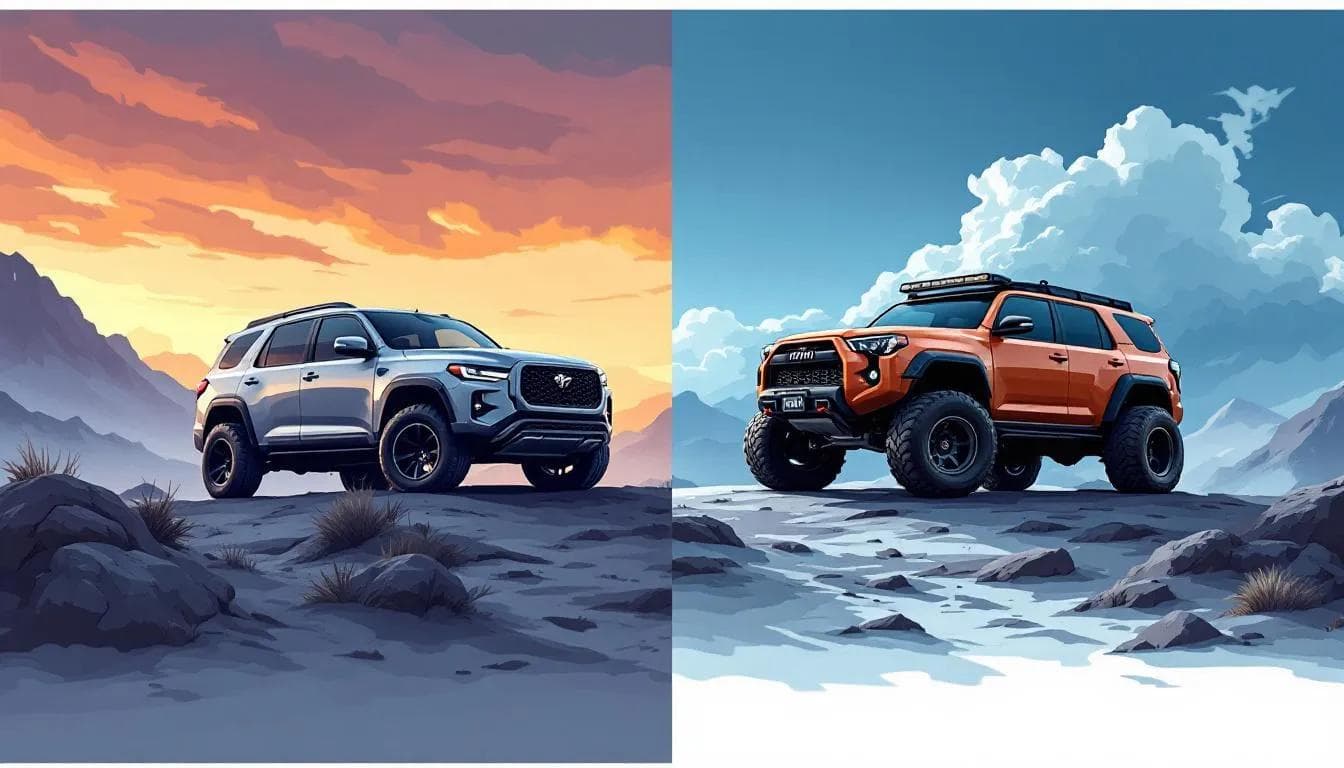
Finding the Sweet Spot for Your Off-Road Rig
Why This Matters
In the world of off-roading, enthusiasts often fall into two distinct camps: those who swear by their factory setups and those who can’t resist the allure of wrenching, tweaking, and upgrading. This dance between “leave it stock” and “build it into a monster” is where we find the sweet spot—a balance that enhances your rig’s capabilities without spiraling into a money pit or a reliability nightmare.
You don’t need to break the bank to make your vehicle trail-ready. What you do need is an understanding of how each modification impacts your ride—and what it costs you in comfort, reliability, and overall purpose. With the right approach, you can navigate the world of adventure2.0 with confidence, ensuring your off-roading experience is both thrilling and practical.
What Does “Stock” Really Mean?
A stock vehicle is just that—what rolled off the production line. Think of it as a well-tuned ensemble, with every part designed to work in harmony. Modern SUVs like the Land Rover Discovery and Toyota 4Runner are surprisingly capable right out of the box, able to tackle gravel roads, snowy paths, and mild trails while still providing a quiet, comfortable ride on the highway.
Pros of Staying Stock:
- Reliability: Each part has been tested to work together.
- Warranty: Keeping your vehicle stock means your warranty stays intact.
- Fuel Economy: Generally, stock vehicles are more efficient.
- Comfort: A smooth, quiet ride on all terrains.
- Lower Cost of Ownership: Fewer repairs and maintenance issues.
Cons:
- Limited Ground Clearance: May struggle on more challenging trails.
- Narrow Tire Options: Less versatility for extreme conditions.
- Vulnerable Underbody: Without armor, you risk damage on rough terrain.
- Trail Performance: May not meet the demands of advanced off-roading.
Verdict: A stock setup is ideal for those who explore occasionally and prioritize reliability over extreme performance.
What Does “Modified” Mean?
A modified off-roader is tailored specifically for the terrain you intend to conquer or the style of driving you prefer. From simple all-terrain tires to full-blown suspension upgrades, bumpers, lights, and snorkels, modifications can be as varied as the adventures you plan. However, the moment you add your first mod, you're making trade-offs—capability versus comfort, individuality versus complexity.
Common Mods:
- All-terrain or Mud-terrain Tires: For better traction.
- 1–2” Lift Kits: Increases ground clearance.
- Skid Plates/Rock Sliders: Protects the underbody from obstacles.
- Roof Racks/Drawers/Compressors: Enhances storage and utility.
- Snorkel/Lights/Dual Battery Systems: Improves performance and capability.
Pros of Going Modified:
- Higher Ground Clearance: Opens up more trails.
- Better Traction and Protection: Tackle tougher terrain with confidence.
- Custom Gear Layout: Perfect for camping or long expeditions.
- Personal Touch: Your vehicle becomes a reflection of your style.
Cons:
- Increased Fuel Consumption: Some modifications can be heavier on gas.
- Harsher Ride on Pavement: Comfort may decline on regular roads.
- Extra Weight: Can lead to increased wear on suspension and brakes.
- Insurance and Registration Concerns: May complicate your coverage.
- Slippery Slope: Modifying one system often requires upgrading others.
Verdict: Mods can transform your vehicle—if you know exactly why you’re making each change.
The Smart Way to Upgrade
Modding isn’t a competition; it’s a process of fine-tuning your vehicle to fit your adventures. The key is to start simple, test, and then upgrade based on real limitations you've experienced on the trail. Here’s a good rule to follow:
“Don’t upgrade until you’ve reached the limits of your stock setup.”
Suggested Upgrade Order:
- Tires: The biggest impact for the least cost.
- Recovery Gear: Don’t forget your shovel, straps, and compressor.
- Protection: Invest in skid plates and rock sliders.
- Suspension Lift: Only if absolutely necessary.
- Lighting/Roof Racks/Power Systems: Save for last.
Personal Reflection (Adventure2.0 Style)
When I first dipped my toes into off-roading, the temptation to grab all the gear was strong. But as I navigated the trails, I learned quickly: every modification adds complexity. Today, my rig is a delightful blend of mostly stock components with selective upgrades. It’s reliable enough for daily commuting yet capable enough to climb out of a riverbed when adventure calls.
The trick isn’t about building the most modified vehicle; it’s about creating the most balanced setup for your real life.
Take-Home Message
In the end, modifications should address the problems you've actually encountered—not the hypotheticals. A wise build starts with a clear understanding of your terrain, your driving style, and your tolerance for maintenance. Sometimes, the best modification is simply learning what your stock vehicle can already do.
So, whether you're eyeing that DIY overland build or dreaming about your next outdoor adventure, remember: adventure is better when you build it. Embrace the journey, and let your rig evolve alongside your explorations!
By focusing on what truly enhances your experience, you can craft an off-roading setup that resonates with your unique spirit of adventure. Happy trails!

Community
Join the conversation
No comments yet. Be the first to share your thoughts!
Leave a comment
Keep tinkering
More adventure experiments
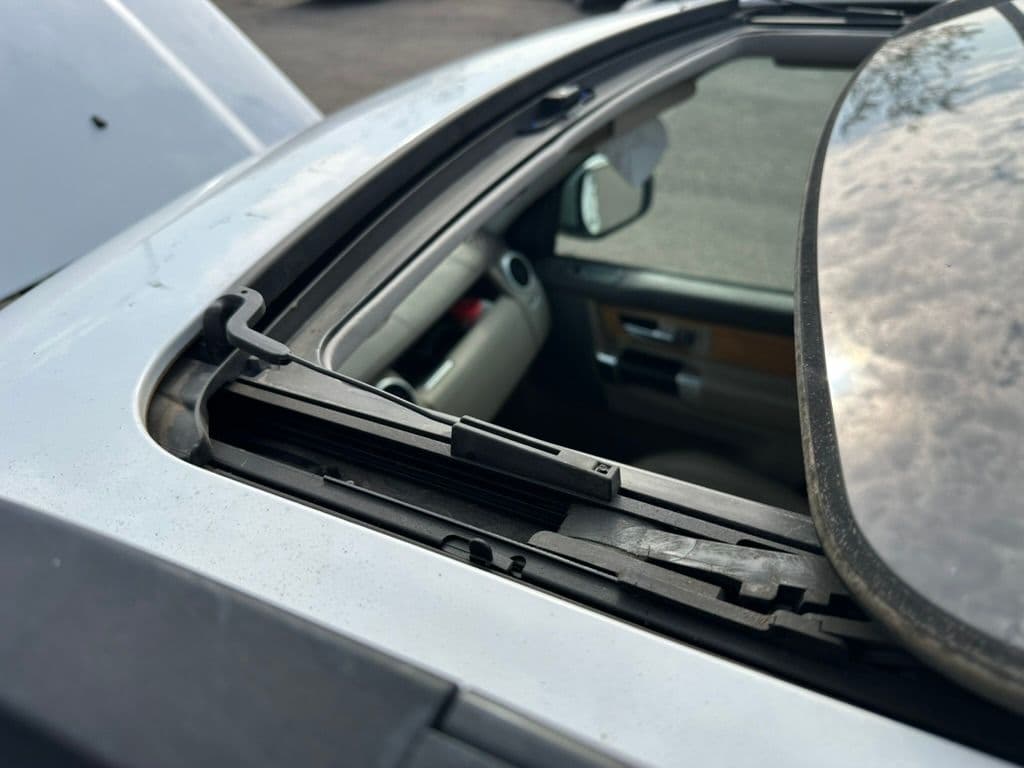
Sunroof Drainage Woes: Solving Land Rover Discovery 3 & 4 Leaks
Uncover the secrets to fixing sunroof leaks in your Land Rover Discovery 3 or 4. Don’t let a little water dampen your adventures—read on for solutions!
Revamp Your Ride: Upgrade the Infotainment in Your 15-Year-Old Car
Breathe new life into your 15-year-old 4x4 with a modern infotainment upgrade. Ready to transform your drives into a tech-savvy experience?

Dead Battery Lockout: 7 Ways to Unlock Your Car
Stuck outside your car? Don't panic! Discover 7 clever ways to unlock your car and regain access to your belongings. Ready to get back on the road?