Adventure Build
Walking on Air - The Essential Tire Sidewall Guide
Understanding the Tire Sidewall: Your Ultimate Guide to Off-Road Performance
When it comes to off-roading, your tires are your lifeline, and at the heart of every tire is the often-overlooked tire sidewall. Think of it as the unsung hero of your adventures—without it, you can forget about conquering those gnarly trails or cruising over rocky terrains. So, what exactly is a tire sidewall, and why should you care? In this guide, we’re diving deep into the world of tire sidewalls, exploring their impact on off-road performance, and equipping you with the knowledge to choose the best off-road tires for your adventures. Buckle up; it’s going to be a fun ride!
What is a Tire Sidewall?
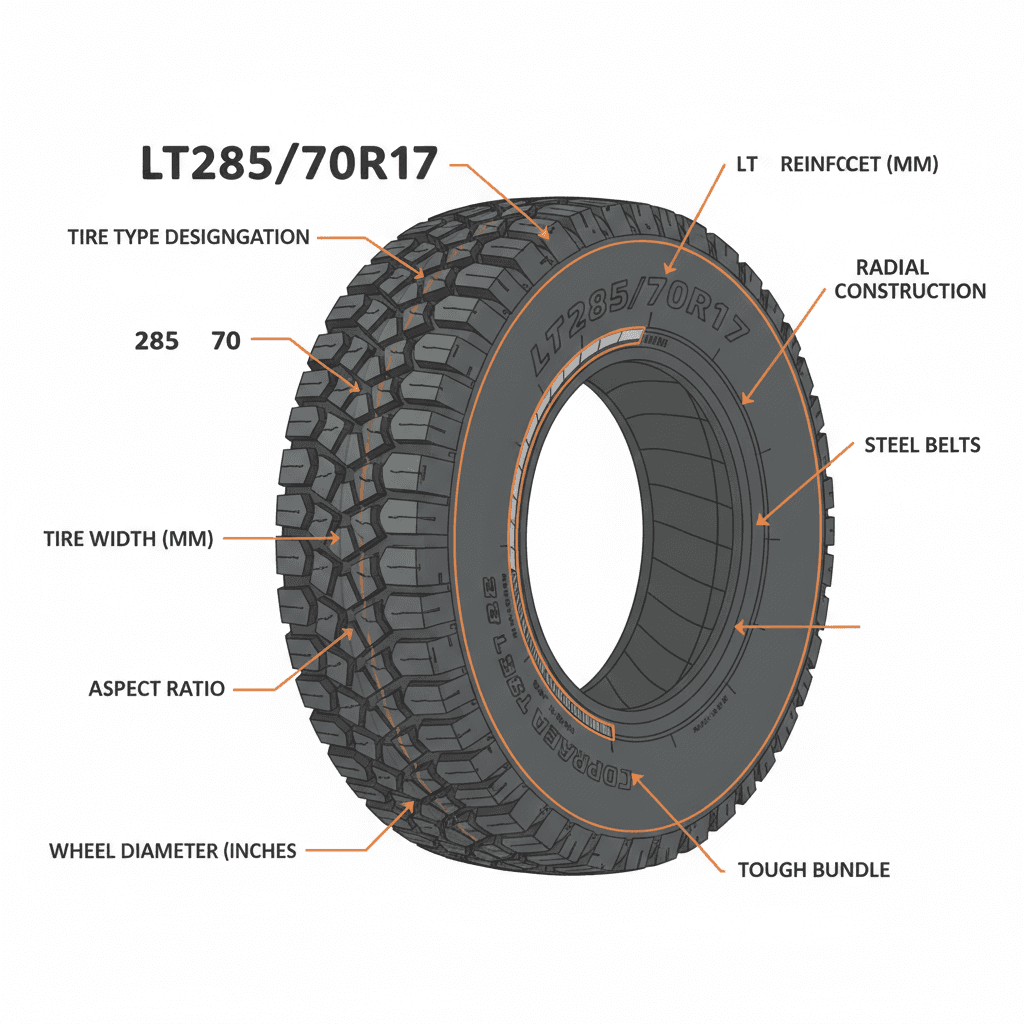
The tire sidewall is the vertical section of the tire that sits between the tread and the rim. It plays a pivotal role in ensuring your off-road tires perform optimally under various conditions. The sidewall is not just a protective layer; it houses vital information about your tire, including:
- Tire Type: The letters at the beginning of the tire code indicate whether it's for passenger vehicles (P) or light trucks (LT).
- Tire Width: Measured in millimeters, this is the distance from one sidewall to the other.
- Aspect Ratio: This number indicates the height of the sidewall relative to the tire's width. A lower ratio means a shorter sidewall, which often translates to better handling on paved roads but can compromise comfort.
- Construction: Most tires are radial, meaning the internal cords run across the tire, increasing durability and performance.
- Wheel Diameter: This measurement tells you the compatible rim size for your tire.
Understanding these elements is crucial for selecting the right off-road tires that can withstand the challenges of rugged terrains. (Source: BFGoodrich, 2023)
Tire Sidewall: The Unsung Hero
The tire sidewall is like the hidden backbone of your off-road performance. It not only protects the internal structure of the tire but also plays a critical role in cushioning impacts and maintaining stability. Imagine bouncing over a bumpy trail; a robust sidewall absorbs much of that shock, allowing you to maintain control and comfort.
The Importance of Sidewall Construction
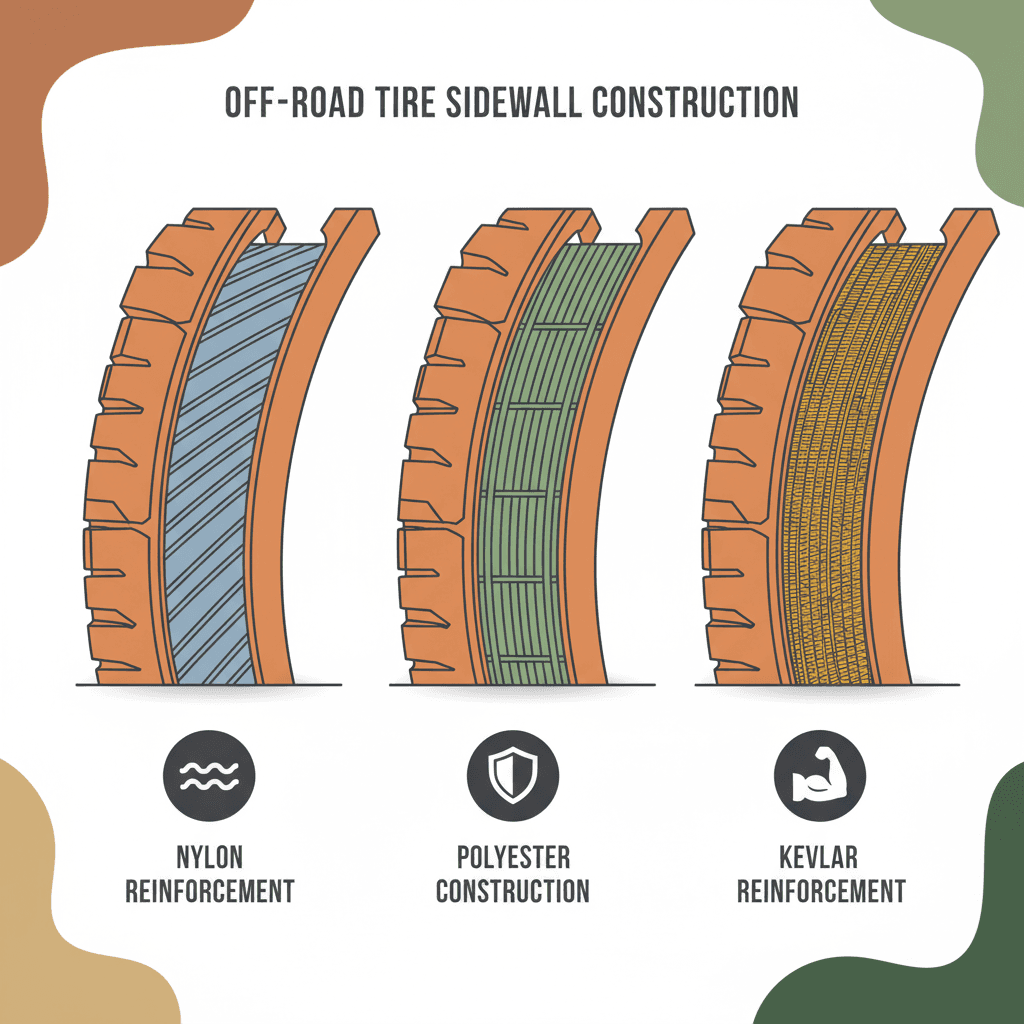
Many off-road enthusiasts don't realize that the sidewall's construction materials can vary significantly. High-quality tires often use nylon or polyester, providing strength without excessive weight. Some tires even come with special compounds designed to resist cuts and abrasions. When shopping for off-road tires, look for those labeled with advanced materials like Kevlar or other proprietary blends. These materials may add a little to the cost but can save you in the long run by preventing damage.
How Does Tire Sidewall Affect Performance?
The sidewall of your tire significantly influences its performance, especially when you take your vehicle off the beaten path. Here’s how:
1. **Ply Structure**
The ply structure of the sidewall refers to the layers of materials used in its construction. Tires with multiple plies, often labeled as 3-ply or higher, are typically more durable and can withstand punctures better than their single-ply counterparts. This is essential for off-roading, where sharp rocks and debris are commonplace. However, more plies can make the sidewall stiffer, which might reduce flexibility when airing down (more on that soon!).
2. **Sidewall Height and Aspect Ratio**
A taller sidewall (higher aspect ratio) can cushion impacts, improving ride comfort over uneven surfaces. On the flip side, a shorter sidewall provides better handling and cornering stability on paved roads. For off-roading, a balance is necessary; you want enough height to absorb bumps but not so much that it hampers performance. The right aspect ratio can enhance your vehicle's grip and handling in diverse terrains.
3. **Airing Down Tires**
Airing down your tires is a game-changer for off-road performance. Lowering tire pressure increases the contact area of the tire with the ground, providing better traction on loose surfaces like sand or mud. However, this can also put more strain on the sidewall. Tires with strong, flexible sidewalls can handle the reduced pressure better, preventing sidewall damage and improving your vehicle's overall grip. (Source: JACO Superior Products, 2023)
Tire Sidewall Dimensions Explained
Understanding tire dimensions is key to making informed decisions about your off-road tires. Here’s a quick breakdown of the main dimensions you’ll encounter:
1. **Tire Width**
The width of your tire directly affects its contact patch—the area where the tire meets the ground. Wider tires generally provide more traction but can also create more drag, affecting fuel efficiency. For off-roading, a wider tire can help distribute weight better over soft terrains.
2. **Aspect Ratio**
As mentioned earlier, the aspect ratio impacts both ride quality and handling. A tire with a lower aspect ratio (e.g., 55) will perform better at high speeds and provide more responsive handling, while a higher aspect ratio (e.g., 75) offers a cushier ride over bumpy trails.
3. **Wheel Diameter**
This is the size of the wheel your tire will fit on, measured in inches. Make sure to select a tire that matches your wheel diameter to ensure a snug fit.
4. **Load Index and Speed Rating**
These two components indicate how much weight your tire can carry and the maximum speed it can handle safely. For off-road tires, you’ll want a higher load index to accommodate heavier loads, especially when fully loaded with gear for your adventures.
By mastering these dimensions, you’ll be well-equipped to select tires that match your off-roading needs. (Source: 4 Wheel Parts, 2023)
Real-World Example: Tire Selection for Off-Roading
Imagine you're planning a weekend getaway to a remote trail known for its rocky paths and muddy patches. You want a tire that can handle both the rough and slippery conditions. By choosing a tire with a wide contact patch, a robust ply structure, and a height that provides adequate cushioning, you set yourself up for success. In this scenario, an all-terrain tire with a higher aspect ratio could absorb the bumps while still offering good traction in the mud.
Best Tires for Off-Roading: What to Look For
Choosing the right tires for off-roading can feel overwhelming, but it doesn’t have to be! Here’s a simplified approach to finding the best off-road tires:
1. **Tread Design**
The tread pattern on a tire significantly affects grip. Look for aggressive tread designs with deep grooves that can channel mud and provide traction on loose surfaces. A tire with larger voids in its tread can better expel debris and improve grip.
2. **Sidewall Strength**
Opt for tires with reinforced sidewalls, especially if you plan on tackling rocky terrains. A strong sidewall minimizes the risk of punctures and sidewall damage, giving you confidence to tackle tough trails.
3. **Tire Type**
Decide between all-terrain and mud-terrain tires based on your expected driving conditions. All-terrain tires are versatile for both on-road and light off-road conditions, while mud-terrain tires excel in extreme off-road scenarios.
4. **Ply Ratings**
Higher ply ratings indicate stronger tires. For heavy off-road use, look for tires with a 3-ply or higher rating for better durability.
5. **Compatibility with Your Vehicle**
Ensure the tires you select are compatible with your vehicle’s specifications. Check the load index, speed rating, and overall dimensions to avoid any mismatches.
Advanced Tip: Research User Reviews
Before making your final decision, take the time to read user reviews and forum discussions. Real-world experiences can provide valuable insights into how tires perform under specific conditions, helping you make a more informed choice.
By considering these factors, you can confidently select tires that enhance your off-road experience. (Source: Rethink Your Rubber, 2023)
How to Air Down Tires: A Step-by-Step Guide
Airing down your tires is one of the best tricks in the off-roader's toolkit. It enhances traction and ride comfort on uneven surfaces. Here’s how to do it safely and effectively:
1. **Prepare Your Tools**
You’ll need a tire pressure gauge, an air compressor for reinflation, and a valve stem tool to release air. Having these on hand will make the process smoother.
2. **Check Manufacturer Recommendations**
Before you air down, check your tire manufacturer’s recommendations for optimal pressure. A good starting point for off-roading is usually around 20-25 PSI, but this can vary based on your vehicle and the terrain.
3. **Deflate Your Tires**
Using your valve stem tool, carefully release air from your tires until you reach your desired pressure. Use your tire pressure gauge to monitor the pressure closely. Remember, it’s better to go a little higher than lower when you’re first starting out—too low can lead to sidewall issues.
4. **Test Drive**
After airing down, take your vehicle for a short test drive on the terrain you plan to tackle. This will give you a feel for how the tires perform at the lower pressure. Pay attention to how the vehicle handles and whether you’re feeling more traction on tricky surfaces.
5. **Reinflate When Done**
Once your off-roading adventure is over, don’t forget to reinflate your tires to the recommended pressure for on-road driving. This step is crucial for safety and performance. It’s a good idea to keep your air compressor in your vehicle for quick reinflation.
Airing down is an empowering technique that can dramatically enhance your off-road experience, making it more enjoyable and safer. (Source: Rolling Big Power, 2023)
Common Pitfalls to Avoid When Airing Down
- Letting Air Out Too Quickly: This can lead to a sudden loss of control. Take your time, and let it out gradually.
- Not Checking Tire Pressure Regularly: Keep an eye on your tire pressure, especially if you’re trying out new terrains. What works on one surface might not be ideal for another.
- Ignoring Sidewall Damage: After airing down, your sidewalls are more susceptible to damage. Always inspect them after your adventure.
Common Tire Sidewall Damage and How to Avoid It
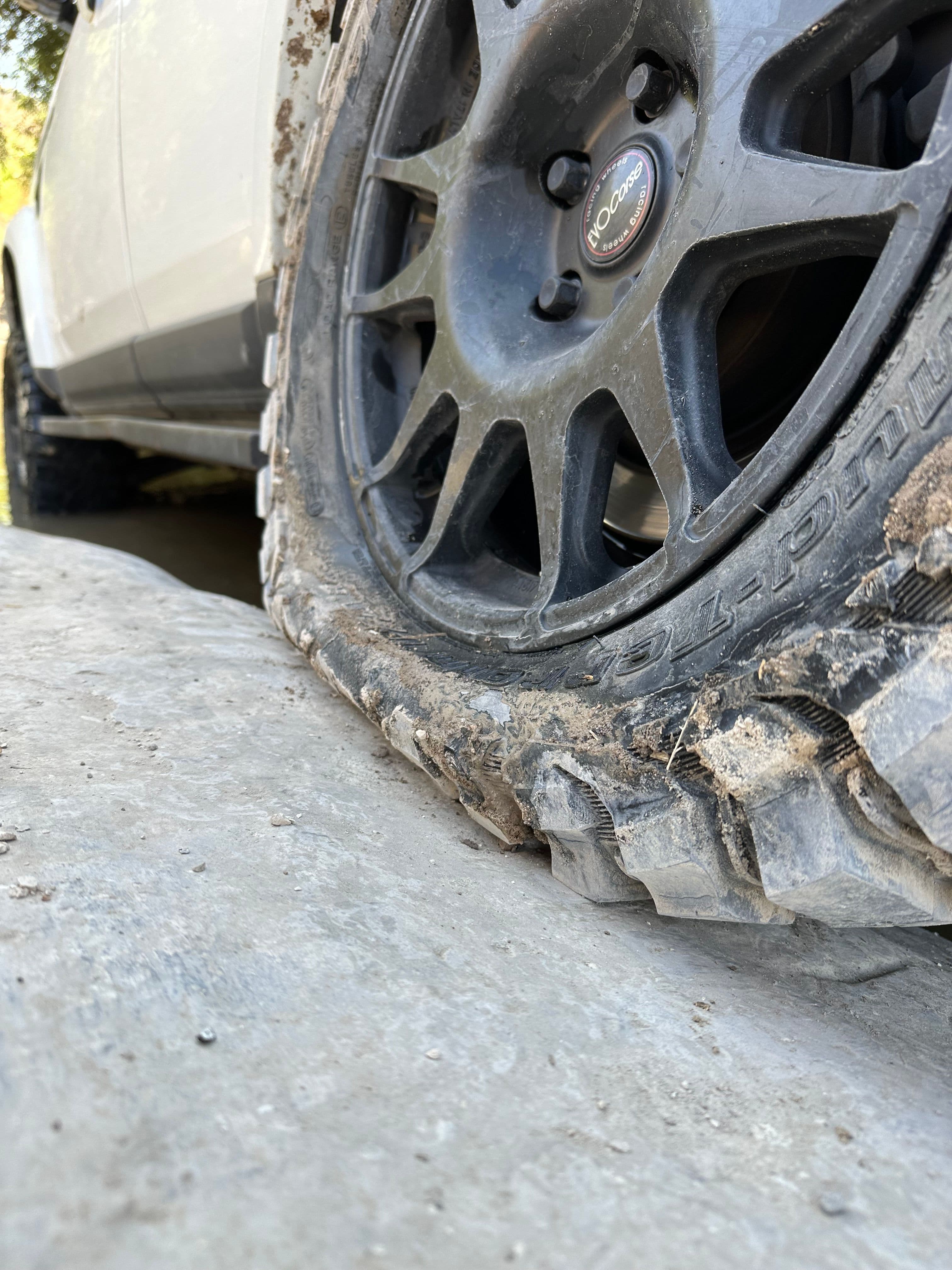
While your tires are built tough, they aren't invincible. Here’s a look at common sidewall damages and how to steer clear of them:
1. **Punctures**
Rocks, sharp branches, and debris can puncture your tire sidewalls. To minimize this risk, choose tires with reinforced sidewalls and avoid driving in areas with excessive sharp objects. Additionally, consider investing in tire protection products such as tire sleeves that can provide an extra layer of defense.
2. **Cuts**
Cuts can occur from rough terrains or getting caught on sharp edges. Regularly inspect your tires for any visible cuts or abrasions, and replace them if necessary. You can also apply a tire sealant that can help with minor cuts and leaks.
3. **Sidewall Bulging**
This can indicate internal damage or weak spots in the tire. If you notice a bulge, it’s crucial to have the tire inspected by a professional to avoid blowouts. It's better to catch these issues early than to be stranded on the trail!
4. **Cracking**
Exposure to UV light and harsh weather can cause tires to crack. Keep your tires protected from direct sunlight when not in use and store them in a cool, dry place. A simple tire cover can help shield them from harmful UV rays.
Preventative Maintenance Tips
- Rotation and Alignment: Regularly rotate your tires and check your vehicle's alignment to ensure even wear, which prolongs the life of your tires.
- Proper Inflation: Always maintain your tires at the recommended PSI. Over-inflation and under-inflation can both lead to premature wear and damage.
Taking proactive steps to maintain your tires will extend their life and keep you safer on your adventures.
Conclusion: Adventure Awaits!
Understanding your tire sidewall is key to unlocking the full potential of your off-road adventures. From knowing how to read tire markings to mastering the art of airing down, being informed empowers you to make the right choices for your vehicle. So the next time you’re gearing up for an adventure, remember that your tires are more than just rubber on the road—they're your ticket to exploration and freedom.
Ready to hit the trails? Grab your gear, check your tire pressure, and get out there! Adventure is waiting, and it’s time to build it your way. Happy off-roading!
Community
Join the conversation
No comments yet. Be the first to share your thoughts!
Leave a comment
Keep tinkering
More adventure experiments
Sunroof Drainage Woes: Solving Land Rover Discovery 3 & 4 Leaks
Uncover the secrets to fixing sunroof leaks in your Land Rover Discovery 3 or 4. Don’t let a little water dampen your adventures—read on for solutions!

Revamp Your Ride: Upgrade the Infotainment in Your 15-Year-Old Car
Breathe new life into your 15-year-old 4x4 with a modern infotainment upgrade. Ready to transform your drives into a tech-savvy experience?

Dead Battery Lockout: 7 Ways to Unlock Your Car
Stuck outside your car? Don't panic! Discover 7 clever ways to unlock your car and regain access to your belongings. Ready to get back on the road?