Using an OBD Scanner for Overland Travel and Off-Road Recovery
Why an OBD scanner is one of the best recovery tools you can carry
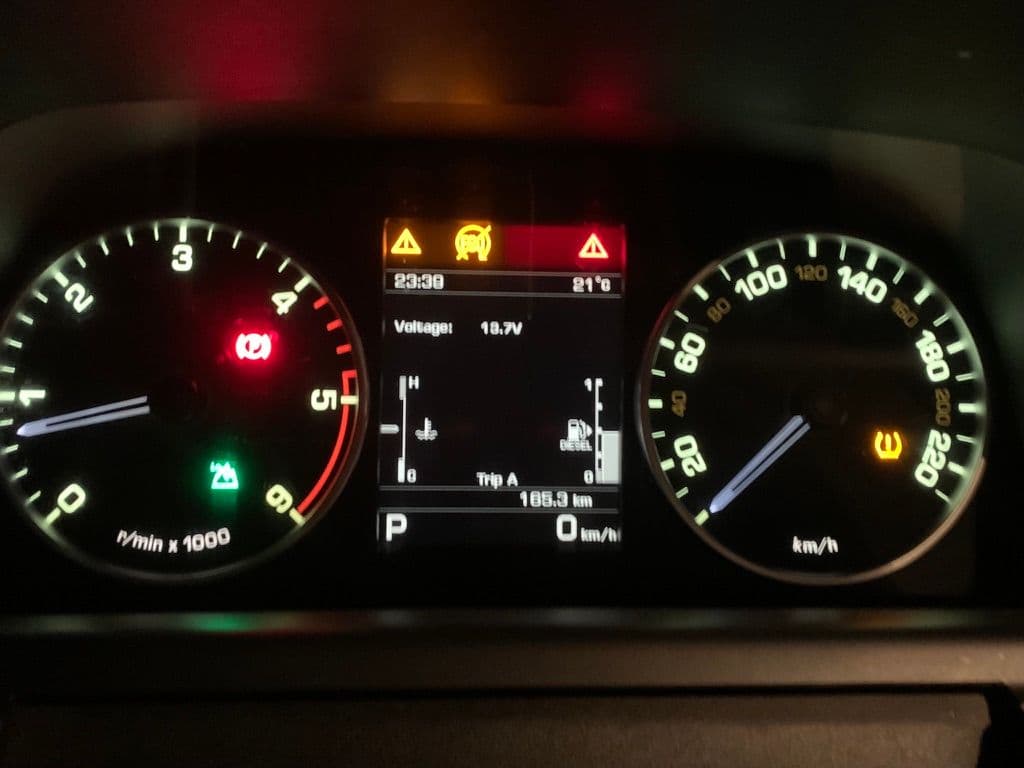
Off-road issues often start as “small warnings”: a check engine light, reduced power, a traction-control fault, or a suspension message that appears at the worst possible time. On pavement you might ignore it and drive home. In remote areas, uncertainty is the real enemy — because the decision isn’t “drive to the garage,” it’s “do we continue, turn back, or stop right now?”
A good OBD scanner turns guesswork into evidence. It helps you quickly understand whether you’re dealing with a minor sensor complaint, a battery/charging issue, a misfire, a drivetrain protection mode, or something that requires stopping immediately.
This is why diagnostic tools are a fundamental part of our Performance, Recovery & Protection section: they’re not about horsepower, nor are they about rock climbing (with the exception of the disco RLM overrides) — they’re about keeping your vehicle safe, predictable, and recoverable. They can be the difference between driving home and calling a tow.
OBD diagnostics in plain English
OBD (On-Board Diagnostics) is how your vehicle exposes information from its computers. A scanner can read fault codes (DTCs), show live sensor values, and sometimes run active tests.
The exact capability depends on the scanner and the vehicle. A basic reader usually focuses on engine and emissions-related data. More capable tools can access manufacturer modules like ABS/traction control, transmission, airbags, suspension, and body control — which is often where “off-road relevant” faults live.
If you want a deeper explanation of how the OBD system is structured and why scanners differ so much, you are welcome to read our post on OBD2 diagnostic system explained.
What scanners can do on the trail
A trail-friendly scanner should help you answer three questions quickly:
1) What failed?
2) How severe is it?
3) What should we do next — continue, turn back, or stop?
Here’s what a good scanner can help with:
• Read fault codes and freeze-frame data (what the vehicle “saw” when the fault triggered)
• View live data (battery voltage, coolant temperature, boost pressure, O2 sensors, etc.)
• Identify patterns (recurring vs one-time faults)
• Clear codes after you’ve understood the likely cause (useful after reseating a connector or fixing a minor issue)
• Check readiness/monitor status and confirm whether a fault returns immediately
For a more practical “what you can discover” view, read What an OBD scanner can reveal about your car.
What scanners can’t do (and when to stop driving)
A scanner provides signals — not certainty. A fault code points to a system, not always the exact failed part.
Even if the scanner says something “simple,” treat these as stop signs on the trail:
• Overheating or rapidly rising coolant temp
• Loss of oil pressure warning
• Fuel smell/leak
• Brake or steering faults
• Severe vibration under load (especially if it disappears when you lift off)
• Electrical smoke, burning smell, hot wiring, or melting plastic odor
• Sudden loss of power with abnormal mechanical noise
Off-road recovery isn’t only about winches — it’s about knowing when to stop before you turn a small issue into a big one.
Choosing the right scanner for overlanding
Most overlanders end up choosing between two categories:
Generic OBD readers (cheap dongles, basic handhelds)
Good for:
• Basic engine codes
• Quick live data
• Quick checks on multiple vehicles
Limitations:
• Often limited to engine and emissions (generic OBD)
• Usually can’t access manufacturer-specific modules (ABS, traction, airbags, suspension, transmission)
Brand-capable scanners (vehicle-specific software)
Good for:
• Deeper module access (critical for modern 4x4s)
• Better fault descriptions
• Service functions and resets (varies by tool)
Limitations:
• More expensive
• Often brand-specific (or requires paid software packs)
If you drive a Land Rover Discovery 3/4, you should really check out our comparison of Best OBD2 scanners for Land Rover Discovery 3 & 4.
I promise to add recommended scanners for other cars too (LC, Wrangler, Bronco, GC and more) so stay tuned and sign up for updates.
And if you want a “middle ground” handheld tool that many Discovery owners like, check out the Foxwell NT530 with JLR software.
A simple workflow for trail troubleshooting
When a warning appears off-road, the goal isn’t to become a mechanic — it’s to make a safe decision.
Use this workflow:
1) Observe symptoms first
Noises, smells, temperature behavior, leaks, smoke, drivability, warning lights.
2) Scan and record (don’t clear yet)
Read codes and freeze-frame data. Take screenshots or notes.
3) Check live data for red flags
Battery voltage, coolant temp, misfire counters, boost anomalies, throttle position, etc.
4) Decide your next move
Continue, turn back, limp-mode strategy, or stop and recover.
5) Clear codes only after a cause is addressed
For example: reseated connector, battery terminal, sensor plug, temporary low voltage issue.
This keeps you disciplined — and protects you from “diagnosing by hope.”
Land Rover notes: why “good enough” scanners often aren’t
Modern Land Rovers are deeply electronic. Many off-road-relevant issues live outside the engine ECU: suspension, traction control/ABS, transmission behavior, and body modules.
A basic reader may show nothing — while the real root cause sits in another module.
That’s why a brand-capable scanner is often worth it for Discovery owners, even if you keep a basic dongle for quick checks.
My OBD scanner has elegantly taken me out of some tough (and funny situations), an example which may seem a little different but really makes the point is my Scuba diving infotainment fiasco.
Recommended next reads and gear
If you’re building your recovery and reliability toolkit, these are the best next steps:
• Best OBD2 scanners for Discovery 3 & 4 (comparison guide)
• Foxwell NT530 with JLR software (hands-on review)
• OBD2 scanner: why it’s an essential tool for overlanding revocery (intro/why)
• OBD2 diagnostic system explained (deep understanding)
• What an OBD scanner can reveal about your car (practical uses)
FAQ
Is a cheap Bluetooth dongle good enough for off-road use?
Sometimes — for basic engine codes and quick live data, yes. But for off-road reliability (ABS, traction control, suspension, transmission modules), brand-capable tools provide much better coverage.
Should I clear codes on the trail?
Only after you’ve understood what triggered them and addressed a likely cause. Clearing codes too early can erase diagnostic evidence and may hide an issue that should make you stop driving. In any case, make sure you take a screenshot or picture before clearing.
How does this fit into recovery and protection?
Diagnostics help you decide whether you’re safe to continue, should turn back, or need to stop and recover. That’s exactly why OBD tools belong in the Performance, Recovery & Protection pillar.
Community
Join the conversation
No comments yet. Be the first to share your thoughts!
Leave a comment
More inspiration
Related Content in Performance, Recovery & Protection
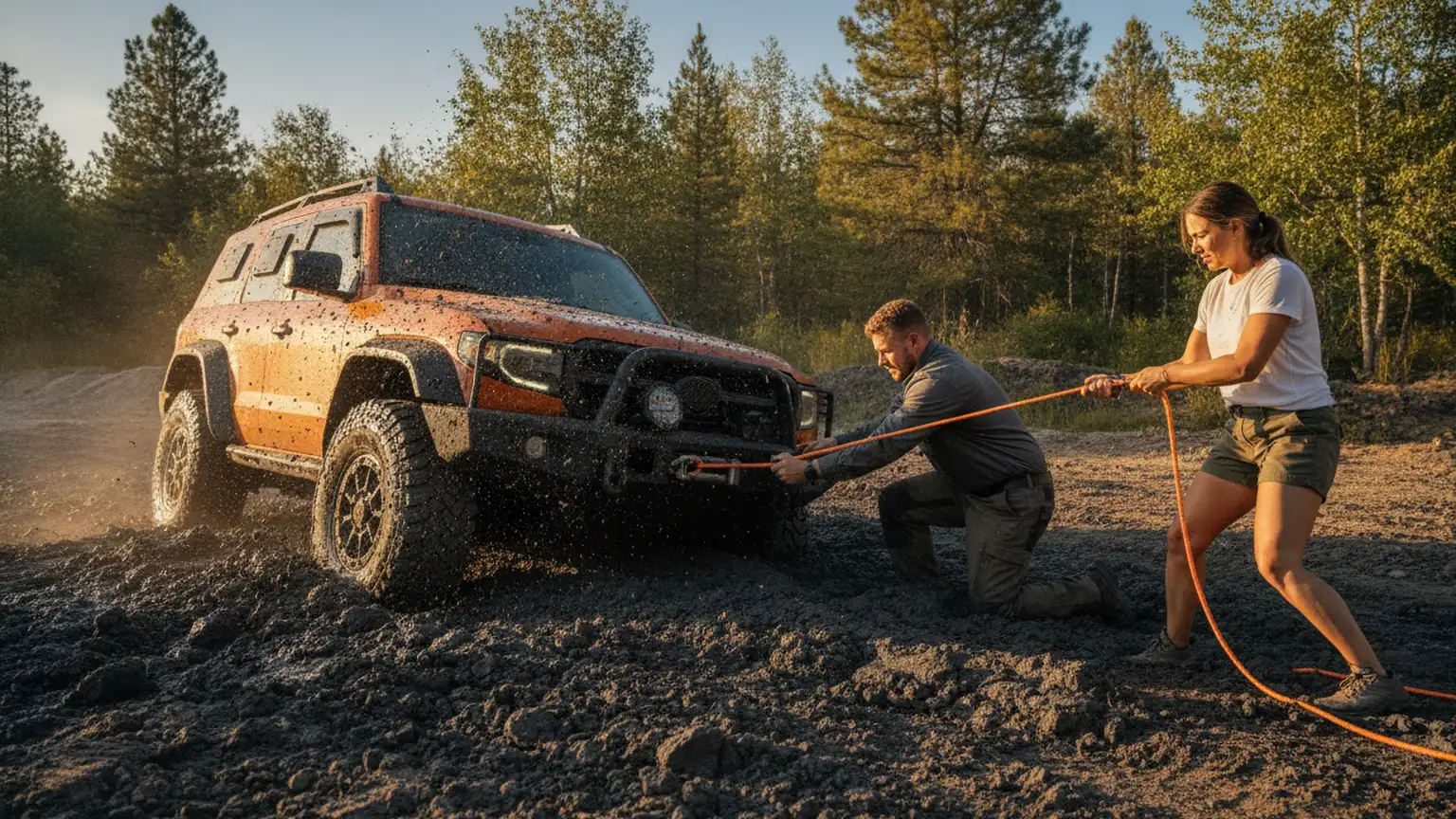
Kinetic Rope or Static Strap: The Recovery Choice That Keeps Your Bumper Attached
Discover the crucial differences between kinetic ropes and static straps for vehicle recovery, ensuring your next adventure doesn't end in disaster. Make informed choices to keep your vehicle—and pride—intact.
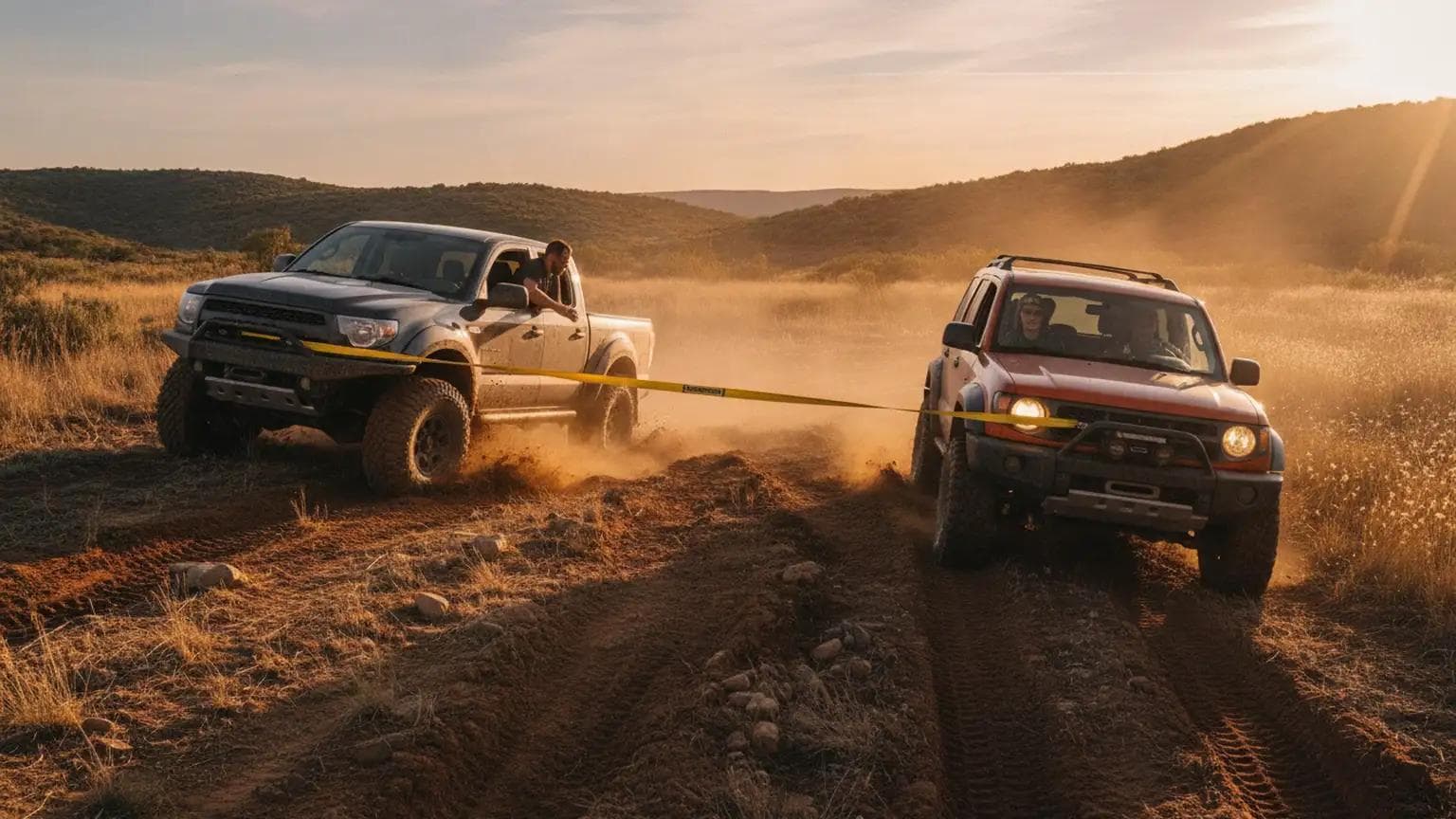
Kinetic Recovery Rope or Static Strap: The Recovery Choice That Keeps Your Bumper Attached
Choosing between a kinetic recovery rope and a static strap can save your vehicle from damage during off-road recoveries, ensuring a safe and effective extraction.

Weekend Recovery Kit: Build an Off-Road Adventure Kit Without Buying a Winch
Discover how to create an essential weekend recovery kit for off-road adventures, focusing on practical tools like shovels and traction boards that enhance your outdoor experience.