Camping Tips
Why Camping Beats Hotels Every Time: The Adventure Your Wallet Will Love

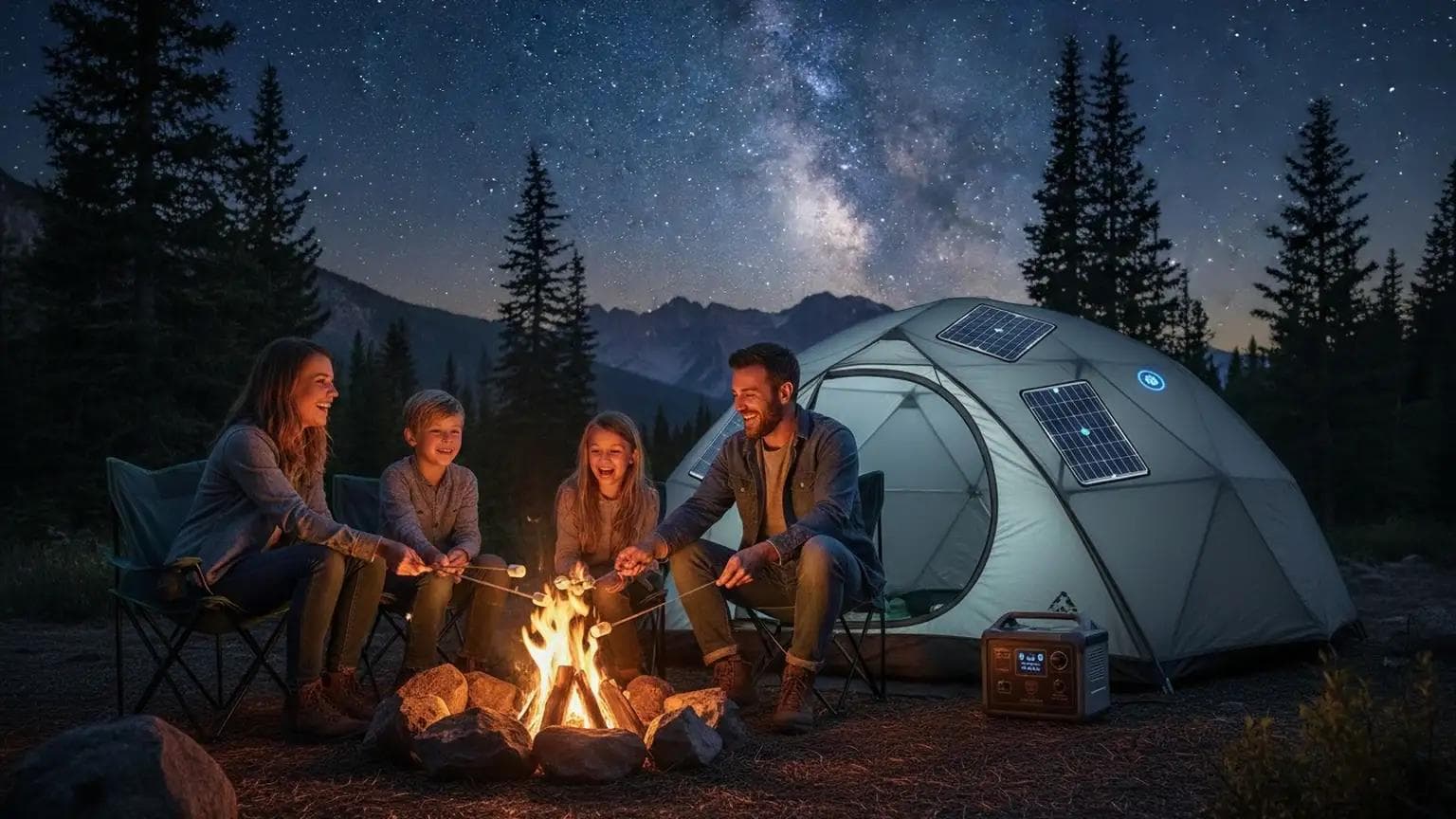
Picture this: you're standing at the hotel reception desk at 2 AM, exhausted from travel, while the clerk apologetically explains that your "mountain view" room actually overlooks the parking lot. Meanwhile, somewhere not too far away, a family is gathered around a crackling campfire, roasting marshmallows under a canopy of actual stars, having spent less on their entire weekend adventure than you're about to drop on two nights of disappointing hospitality.
Here's the surprising truth that the travel industry doesn't want you to discover: camping isn't just a budget alternative to hotels—it's often a dramatically better experience altogether. While hotels promise comfort and convenience, a camping setup delivers something far more valuable: genuine adventure, meaningful connections, and memories that actually stick. Plus, with the right outdoor tech and DIY camping gear, you can create a personalized outdoor experience that puts even luxury hotels to shame.
The best part? You don't need to be a wilderness survival expert to unlock these benefits. Modern camping has evolved into an art form that combines the best of outdoor living with smart gear choices and practical know-how. Let's explore why swapping your hotel key for tent stakes might be the best travel decision you'll make this year.
The Science-Backed Mental Health Revolution Hiding in Your Backyard
Research from the Mayo Clinic reveals something remarkable: spending time in natural settings doesn't just feel good—it literally rewires your brain for better mental health. When you choose camping over hotels, you're not just changing your accommodation; you're prescribing yourself a powerful dose of nature-based therapy that hotels simply cannot replicate.
A groundbreaking study published in Frontiers in Psychology followed 262 participants and found that those engaging in outdoor physical activities experienced significantly lower anxiety levels and higher psychological well-being compared to their indoor counterparts. The researchers discovered that our connection to nature doesn't just enhance the mental health benefits of physical activity—it amplifies them exponentially.
But here's where it gets really interesting: the benefits kick in faster than you might expect. Even short periods in green spaces lead to immediate psychological improvements, including increased relaxation and reduced mental fatigue. When you're camping, you're not just visiting nature—you're immersing yourself in a 24-hour therapeutic environment that naturally boosts serotonin levels, the crucial neurotransmitter responsible for mood regulation.
The camping benefits extend beyond individual wellness too. The shared environment and lack of digital distractions create perfect conditions for deeper conversations and stronger relationships. While hotel stays often isolate families in separate rooms with individual screens, camping naturally brings people together around shared experiences, from setting up camp to cooking meals over an open fire.
This isn't just feel-good science—it's practical wisdom you can apply immediately. Your next family adventure ideas don't need to involve expensive resorts or complicated itineraries. Sometimes the most powerful wellness retreat is waiting in your local state park.

The Economics of Adventure: Why Your Wallet Will Thank You
Let's talk numbers, because the financial advantages of camping over hotels are more dramatic than most people realize. While hotels nickel-and-dime you with resort fees, parking charges, and overpriced room service, camping flips the script entirely. You're not just saving money—you're investing in adventure gear that pays dividends trip after trip.
Consider this real-world comparison:
- A family cabin at many campgrounds can accommodate up to eight people for the price of a single hotel room.
- Booking that hotel room would require multiple rooms for the same group, instantly doubling or tripling your accommodation costs.
- The Leelanau Pines Campground study found that families consistently save 40-60% on lodging alone by choosing camping over traditional hotels.
But the savings go deeper than just nightly rates. Economic camping strategies reveal hidden cost advantages that compound over time. With camping, you gain access to kitchen facilities (or outdoor cooking setups) that eliminate expensive restaurant meals. You can buy groceries in bulk and store them efficiently, something impossible in cramped hotel rooms. Many campgrounds include activities and attractions in their fees, reducing additional entertainment expenses.
Here's the perspective shift that changes everything: instead of viewing camping gear as an expense, start seeing it as an investment in future adventures. That quality tent you buy today will serve you for dozens of trips, effectively reducing your per-night accommodation costs to almost nothing over time. Compare that to hotels, where every single night costs the same premium rate, regardless of how many times you've stayed there.
The DIY camping gear approach amplifies these savings even further. Building your own camp kitchen setup, creating custom storage solutions, or modifying existing gear to fit your family's needs transforms camping from a hobby into a personalized adventure system that costs a fraction of comparable hotel experiences.

Creating Your Perfect Outdoor Tech Setup (Without Breaking the Bank)
Modern camping has evolved far beyond basic tents and sleeping bags. Today's outdoor tech options let you enjoy nature's benefits while maintaining the conveniences that make adventures comfortable and safe. The key is choosing technology that enhances rather than replaces the outdoor experience.
Start with power management—the foundation of any solid camping tech setup:
- Portable solar panels and high-capacity power banks keep essential devices charged without requiring campground hookups.
- This independence means you can choose more remote, beautiful locations while still maintaining communication and safety capabilities.
- Modern solar setups are surprisingly affordable and pay for themselves quickly compared to campground electrical fees.
Lighting technology has revolutionized camping setup experiences. LED lanterns and headlamps now provide bright, long-lasting illumination that transforms how you experience evening hours at camp. Unlike hotel rooms with harsh fluorescent lighting, you can create customized ambient lighting that enhances rather than disrupts your natural circadian rhythms.
Weather monitoring apps and GPS devices represent practical tech investments that boost both safety and enjoyment. Real-time weather updates help you make smart decisions about activities and gear, while GPS capabilities open up exploration opportunities that would be impossible with traditional hotel-based travel.
Communication technology deserves special consideration. Satellite communicators and cell signal boosters ensure you can stay connected when needed while still enjoying digital detox benefits. This balanced approach lets you experience nature's mental health benefits while maintaining safety and peace of mind.
The surprising truth about camping tech is that it often works better than hotel alternatives. Your personal WiFi hotspot provides more reliable internet than many hotel networks. Your camp kitchen setup gives you more control over meal timing and quality than room service. Your portable speaker system creates better ambiance than whatever generic music hotels pipe through their lobbies.
Mastering the Art of DIY Camping Gear (Your Creative Playground)
DIY camping gear represents one of camping's most rewarding aspects: the opportunity to create personalized solutions that work exactly how you need them to. Unlike hotel amenities designed for generic use by thousands of guests, your custom gear reflects your family's specific needs and preferences.
Start with storage solutions, where creativity pays immediate dividends:
- Repurposed household containers become weatherproof gear organizers.
- Old coffee cans transform into portable camp kitchens.
- Fabric scraps and basic sewing skills create custom stuff sacks that keep gear organized and accessible.
These projects cost pennies compared to commercial alternatives while delivering superior functionality. Camp furniture offers another excellent DIY opportunity. Simple wooden camp chairs can be built for a fraction of commercial prices while providing better comfort and durability. Portable camp tables constructed from lightweight materials pack smaller and set up faster than store-bought options. These projects also become conversation starters and sources of pride around the campfire.
Kitchen setups showcase DIY potential beautifully. A well-planned camp kitchen system, built from readily available materials, often outperforms expensive commercial camp kitchen sets. Custom spice containers, utensil organizers, and food storage systems create cooking experiences that rival or exceed what's available in hotel restaurants.
The real magic happens when you start modifying existing gear to work better for your specific needs. Adding reflective fabric to tent walls improves temperature regulation. Installing LED strips in gear bags makes finding items easier in low light. Creating custom attachment points on backpacks improves load distribution and accessibility.
These modifications don't just save money—they create gear that works exactly how you want it to work. Every piece becomes a problem-solving tool that reflects your growing outdoor expertise and creativity.

Family Bonding That Actually Sticks (Unlike Hotel Memories)
The relationship-building power of camping versus hotels isn't just anecdotal—it's backed by compelling research showing how shared outdoor experiences create stronger family bonds. The KOA Camping Blog study found that camping environments naturally facilitate deeper conversations and connections among family members, something that rarely happens in the isolated, screen-dominated atmosphere of typical hotel stays.
Outdoor family fun emerges organically when you remove the artificial entertainment options that hotels provide. Without cable TV, room service, and separate spaces to retreat into, families naturally engage in collaborative activities. Setting up camp becomes a team effort. Meal preparation transforms into a shared creative process. Evening hours revolve around conversations, games, and storytelling rather than passive consumption of digital content.
The absence of daily distractions plays a crucial role in these bonding experiences. Hotels often amplify the same distractions families face at home—different screens in different rooms, scheduled activities that separate family members by age groups, and structured environments that discourage spontaneous interaction. Camping strips away these barriers and creates space for authentic connection.
Consider the difference between a hotel breakfast (grab whatever's available from the continental spread and eat quickly before checkout) and a camp breakfast (everyone contributes to meal planning, preparation, and cleanup while enjoying unhurried conversation). These seemingly small differences accumulate into profoundly different relationship experiences.
Family adventure ideas naturally emerge from camping environments in ways they never do in hotels. Kids discover interests in hiking, wildlife observation, or outdoor cooking. Parents rediscover playfulness and creativity. Grandparents share stories and skills that might never surface in more formal settings. These discoveries create shared interests that extend far beyond the camping trip itself.
The physical challenges of camping—from starting a fire to navigating trails—also create opportunities for family members to support each other and celebrate shared accomplishments. These experiences build confidence and create stories that families retell for years.
The Physical Health Transformation You Didn't Expect
The physical health benefits of choosing camping over hotels extend far beyond the obvious advantages of fresh air and outdoor activity. According to Utah State University Extension research, camping naturally encourages physical fitness through activities that feel like fun rather than exercise. This represents a fundamental advantage over hotel-based vacations, where physical activity requires deliberate effort and often additional expense.
Camping setup itself provides a full-body workout that engages muscles rarely used in daily life. Lifting and arranging gear, setting up tents, gathering firewood, and organizing camp spaces create functional fitness opportunities that improve strength, flexibility, and coordination. Compare this to hotel stays, where the most physical activity involves walking from the parking garage to the elevator.
The outdoor environment naturally regulates sleep patterns in ways that hotel rooms cannot match. Exposure to natural light cycles helps reset circadian rhythms, leading to better sleep quality and more natural wake times. The absence of artificial lighting and electronic noise pollution creates conditions for deeper, more restorative sleep. Many campers report sleeping better outdoors than they do in their own homes, let alone in unfamiliar hotel rooms.
Fresh air quality represents another significant health advantage. While hotels recirculate filtered air through HVAC systems shared by hundreds of guests, camping provides access to clean, oxygen-rich outdoor air. This improvement in air quality can reduce respiratory irritation, improve energy levels, and enhance overall well-being, especially for individuals with allergies or sensitivities.
The variety of physical activities naturally available in camping environments—hiking, swimming, fishing, games—provides cardiovascular benefits without the structured, gym-like atmosphere that many people find intimidating. These activities integrate seamlessly into the camping experience, making physical fitness feel effortless and enjoyable.
Water consumption also tends to improve during camping trips, as the outdoor activity and fresh air naturally increase thirst and awareness of hydration needs. This contrasts with hotel environments, where artificial climate control and limited activity can reduce natural thirst cues.
Building Your Adventure-Ready Mindset (The Confidence Game)
The psychological transformation that occurs when you choose camping over hotels goes beyond stress reduction and family bonding—it fundamentally changes how you approach challenges and build confidence. The sense of accomplishment that comes from successfully creating a comfortable outdoor living space using your own skills and gear creates a confidence boost that carries over into other areas of life.
Adventure gear selection and use develops problem-solving skills in ways that hotel stays never could. When you need to adapt your setup for unexpected weather, repair gear with limited resources, or create solutions for comfort and convenience, you're exercising creative thinking and resourcefulness. These skills strengthen with each camping experience, building a capability mindset that serves you well beyond outdoor adventures.
The self-reliance aspect of camping creates a powerful psychological shift. Instead of depending on hotel staff to solve problems, provide amenities, and manage your environment, you become the expert in your own comfort and safety. This empowerment builds confidence and reduces anxiety about travel and new experiences.
Risk assessment and management skills naturally develop through camping experiences. Learning to evaluate weather conditions, choose appropriate gear, and make safety decisions builds practical wisdom that enhances confidence in outdoor settings and beyond. This contrasts sharply with hotel experiences, where risk management is completely outsourced to staff and systems.
The camping community aspect also builds social confidence. Campgrounds naturally foster friendly interactions with other outdoor enthusiasts, creating opportunities to share knowledge, learn new skills, and build connections based on shared interests. These interactions often feel more authentic and meaningful than the transactional relationships common in hotel environments.
Perhaps most importantly, successful camping experiences prove that you can be comfortable and happy with less stuff and fewer conveniences than you might have thought necessary. This realization often leads to broader lifestyle insights about what actually contributes to happiness and satisfaction.
Your Next Steps: From Hotel Guest to Outdoor Expert
The journey from hotel dependency to camping confidence doesn't require a dramatic lifestyle overhaul—it starts with one thoughtful decision to try something different. Your first camping experience should focus on success and enjoyment rather than testing your limits or proving your toughness.
Begin with economic camping strategies that minimize initial investment while maximizing learning opportunities:
- Many state parks offer cabin rentals that provide camping experiences with basic amenities, letting you focus on outdoor activities and campfire experiences without worrying about tent setup or weather protection.
- This approach lets you discover what aspects of camping you enjoy most before investing in specific gear.
- DIY camping gear projects make excellent winter activities that prepare you for spring and summer adventures.
Check out our article on 9 Must-Have Items for Camping and Overlanding.
Research local camping options and start with short, close-to-home trips. Weekend adventures within an hour of home let you experiment with gear and techniques without the pressure of distant travel commitments. These local explorations often reveal beautiful outdoor spaces you never knew existed and build familiarity with camping routines.
Connect with the camping community through online forums, local outdoor clubs, or campground events. Experienced campers love sharing knowledge and often have extra gear they're willing to lend to newcomers. This social aspect accelerates learning and makes camping feel more accessible and enjoyable.
Document your experiences through photos, journals, or simple gear lists that track what works and what doesn't. This record becomes invaluable for planning future trips and helps you refine your approach based on real experience rather than theoretical knowledge.
Most importantly, approach camping with curiosity rather than perfectionism. Every camping trip teaches valuable lessons, and even challenging experiences often become favorite stories later. The goal isn't to become an expert immediately—it's to discover the joys and benefits that make camping addictive for millions of families.
FAQ
Is camping healthier than staying in hotels?
Yes, camping offers numerous health benefits, including improved mental health, increased physical activity, and better sleep quality. Spending time in nature has been shown to reduce anxiety and enhance overall well-being.
How to save money with DIY camping gear?
DIY camping gear can significantly reduce costs. By creating your own gear, such as camp kitchens or storage solutions, you can save money compared to purchasing commercial alternatives. Plus, DIY projects often allow for customization to fit your specific needs.
Conclusion: Your Adventure Starts with One Bold Choice
The evidence is overwhelming: camping offers superior experiences, better health outcomes, stronger relationships, and significant cost savings compared to traditional hotel stays. From the immediate mental health benefits of nature immersion to the long-term confidence building that comes from outdoor self-reliance, camping transforms how you travel and how you connect with the people who matter most.
But here's the beautiful truth that makes all the research and practical benefits secondary: camping is simply more fun. The spontaneous conversations around evening campfires, the pride of creating comfort in wild places, the satisfaction of waking up to sunrise views that no hotel window could frame—these experiences create joy in ways that standardized hospitality never could.
Your next vacation doesn't have to follow the same expensive, predictable pattern of hotel bookings and tourist attractions. Instead, it could be an adventure that builds skills, creates memories, saves money, and reconnects your family with both nature and each other.
The camping community is waiting to welcome you, your local parks are ready to host your adventures, and your creativity is the only limit on how comfortable and enjoyable your outdoor experiences can become. The question isn't whether camping is better than hotels—the research has already answered that. The question is: when will you take that first step toward discovering what you've been missing?
Community
Join the conversation
No comments yet. Be the first to share your thoughts!
Leave a comment
Keep tinkering
More adventure experiments
תרגיל רטוב: דליפות גשם מהסאנרוף בדיסקו 3 ו-4
גלה את הסודות לתיקון דליפות גג שמש בלנד רובר דיסקברי 3 או 4 שלך. אל תיתן למעט מים להרטיב את ההרפתקאות שלך—קרא עוד עבור פתרונות!

רוצים רכב חדש? פשוט שדרגו את מערכת המולטימדיה שלכם
נשמו חיים חדשים ב-Land Rover Discovery שלכם בן ה-15 עם שדרוג מולטימדיה מודרני. מוכנים להפוך את הנסיעות שלכם לחוויה טכנולוגית?

Sidewall - כל מה שרצית לדעת על דופן הצמיג ולא העזת לשאול
הבנת דופן הצמיג: המדריך האולטימטיבי שלך לביצועי שטח כשמדובר בשטח, הצמיגים שלך הם חבל ההצלה שלך, וב...