Camping & Nature
Public Land Camping: How to Camp Responsibly Without Closing the Roads
Public Land Camping: Responsible Practices to Keep Roads Open
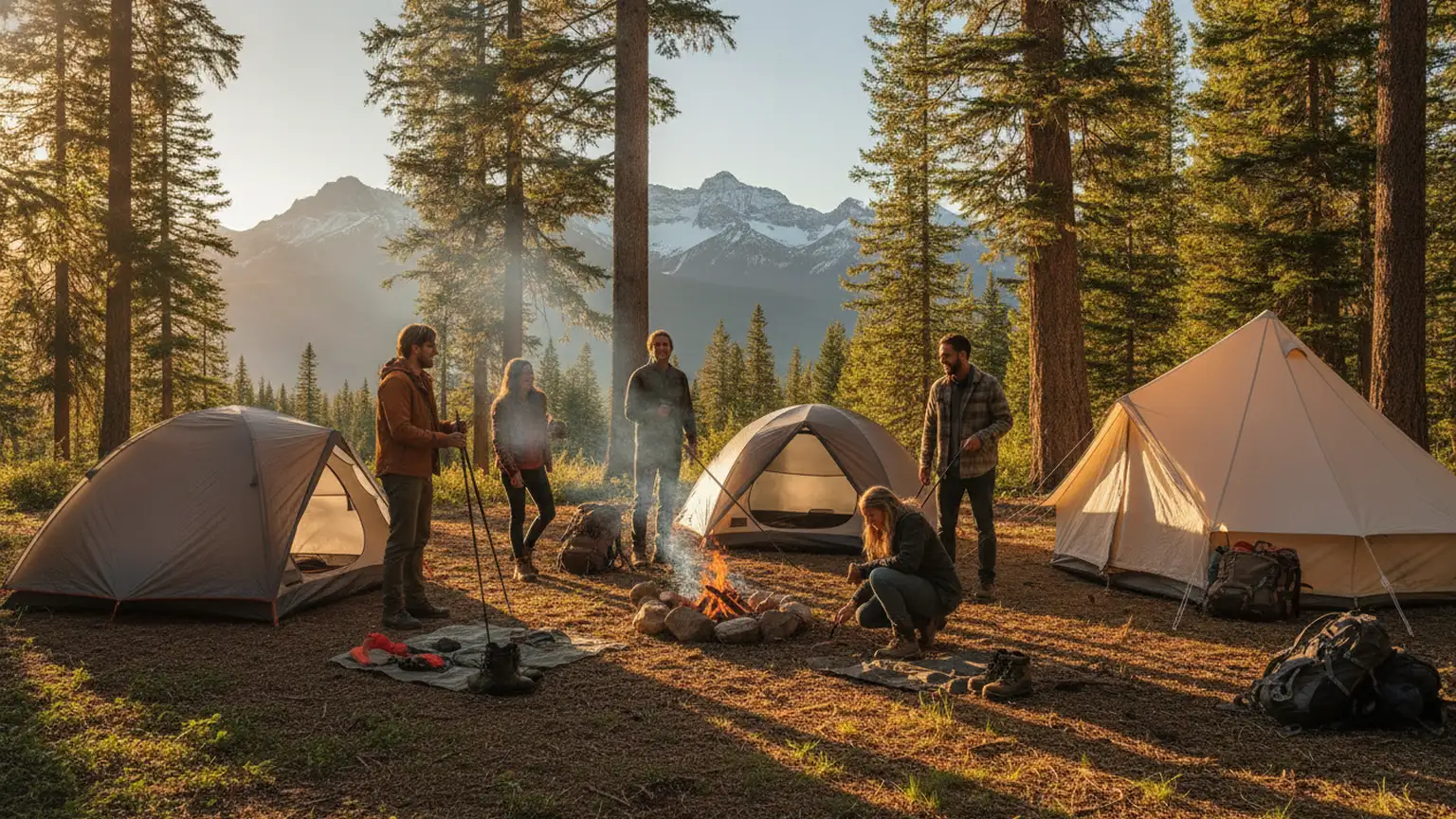
Public land camping offers a chance to reconnect with nature, share the great outdoors with family, and create memories that last a lifetime. However, it's crucial to understand that our actions can either protect these beautiful spaces or lead to restrictions and closures. This guide will walk you through best practices for public land camping, ensuring your adventures contribute positively to the environment and community.
What is Public Land Camping?
Public land camping refers to camping on lands owned by government entities, such as national forests, Bureau of Land Management (BLM) lands, and state parks. These areas offer both developed campgrounds and opportunities for dispersed camping, where you can set up camp outside of established sites. Dispersed camping is typically free and allows for a more secluded experience, but it comes with a responsibility to leave no trace and adhere to specific guidelines.
###

How to Camp Responsibly on Public Land
Camping responsibly involves respecting the environment and other visitors. By following a few key practices, you can enjoy your stay without negatively impacting the area.
- Use Existing Camp Sites: Stick to established sites whenever possible. This helps minimize environmental impact and preserves the natural beauty for future visitors.
- Pack Out Waste: Never leave trash or waste behind. Pack out everything you bring in, including toilet paper. This simple act helps prevent site creep and keeps public lands pristine.
- Adhere to the 14-Day/28-Day Rule: On BLM lands, the rule is to camp in one spot for no more than 14 days within a 28-day period. This prevents overuse of specific areas and allows the land to recover.
- Check Fire Restrictions: Always check current fire regulations before starting a campfire. In dry seasons, fire bans are common, and it's important to comply to prevent wildfires.
- Keep Noise Levels Down: Respect the tranquility of nature by keeping noise to a minimum. This includes music, loud conversations, and vehicle noise.
- Respect Wildlife: Observe animals from a distance and never feed them. Human food can harm wildlife and disrupt natural behaviors.
Camping Tips for Families
Camping with family is a delightful experience that can foster closer bonds and appreciation for nature. Here are some tips to make your family camping trip a success:
- Plan Meals Together: Involve everyone in meal planning to accommodate dietary preferences and create a shared, enjoyable experience.
- Establish Campsite Responsibilities: Assign tasks like setting up tents, gathering firewood, and cooking to each family member. This not only distributes the workload but also teaches responsibility.
- Create a Campground Watch: Rotate supervision duties among adults to keep an eye on kids, ensuring their safety and allowing everyone some relaxation time.
- Pack Entertainment: Bring games, books, and activities to keep children engaged during downtime.
- Teach Leave No Trace Principles: Use the camping trip as an educational opportunity to teach kids about preserving nature and responsible camping practices.
###

Etiquette for Dispersed Camping
Dispersed camping offers a unique opportunity to experience nature away from the crowds, but it requires a higher level of responsibility and respect for the land and other campers.
What is Dispersed Camping?
Dispersed camping is camping outside of developed campgrounds, usually on public lands. It allows campers to select their own sites, often providing more privacy and the chance to enjoy nature undisturbed.
Best Practices for Dispersed Camping
- Leave No Trace: Follow the Leave No Trace principles to minimize your impact. This includes disposing of waste properly, respecting wildlife, and leaving what you find.
- Choose Durable Surfaces: When setting up camp, choose durable surfaces like rock, gravel, or dry grass to minimize damage to vegetation.
- Stay on Designated Roads: Keep vehicles on established roads and trails to prevent damage to the landscape and reduce erosion.
- Camp Away from Water Sources: Set up camp at least 200 feet from lakes and streams to protect riparian areas and water quality.
Why Does Responsible Camping Matter?
Responsible camping ensures that public lands remain open and accessible for everyone to enjoy. Overuse and neglect can lead to environmental degradation, prompting authorities to restrict access or close areas altogether. By adopting responsible practices, we help preserve these natural treasures for future generations.
###

Practical Tips for Sustainable Camping Practices
Sustainable camping is about being mindful of our environmental footprint and taking steps to reduce it. Here are some practical tips:
- Use Reusable Gear: Opt for reusable items like water bottles, utensils, and containers to reduce waste.
- Practice Minimalist Packing: Bring only what you need to minimize waste and lessen your environmental impact.
- Support Local Businesses: Purchase supplies from local businesses to support the communities near public lands.
- Educate Fellow Campers: Share your knowledge of sustainable practices with other campers to promote awareness and collective responsibility.
Frequently Asked Questions
How to camp responsibly on public land?
To camp responsibly on public land, follow the Leave No Trace principles, use established campsites, pack out all waste, and adhere to local regulations such as fire restrictions and stay limits.
What are some camping tips for families?
Plan meals together, assign campsite responsibilities, create a campground watch, pack entertainment, and teach Leave No Trace principles to make family camping trips enjoyable and educational.
What is the etiquette for dispersed camping?
Dispersed camping etiquette includes leaving no trace, choosing durable surfaces, staying on designated roads, and camping away from water sources to protect the environment.
How can I reduce my environmental footprint while camping?
Use reusable gear, practice minimalist packing, support local businesses, and educate others about sustainable camping practices to reduce your environmental footprint.
Why should I adhere to the 14-day/28-day rule?
Adhering to the 14-day/28-day rule prevents overuse of specific areas, allowing the land to recover and ensuring it remains open for future visitors.
What should I do with my waste while camping?
Pack out all waste, including toilet paper, to keep campsites clean and prevent environmental impact. Use designated waste disposal facilities when available.
Are campfires allowed during all camping trips?
Campfire regulations vary by location and season. Always check current fire restrictions before starting a campfire to prevent wildfires and comply with local regulations.
How can I involve my kids in responsible camping practices?
Teach kids about the Leave No Trace principles, assign them small tasks like collecting firewood, and involve them in decision-making to instill a sense of responsibility.
Conclusion
Public land camping is a privilege that comes with the responsibility to protect these natural spaces. By adopting responsible camping practices, we can ensure that these lands remain open and beautiful for generations to come. Remember, public land should be treated like a living room we don't own—it's a shared space where our actions matter. Let's make it a habit to tread lightly, pack out our waste, and respect the rules. Choose one new habit to upgrade this season—packing out TP is always a crowd-pleaser—and inspire others to do the same. Adventure is better when you build it, and together, we can build a sustainable future for public lands.
Community
Join the conversation
No comments yet. Be the first to share your thoughts!
Leave a comment
Keep tinkering
More adventure experiments

Night Driving Tips for Off-Road Adventures: Lighting, Wildlife, and Humility in the Dark
Master the art of night driving off-road with essential tips on lighting, speed control, and mindset to navigate safely and confidently in the dark wilderness.
Hydration Tips for Overlanders: Your Water Plan is Your Trip Plan
Stay hydrated on your overland adventures by planning your water needs strategically—aim for 3 to 4 liters per person per day for drinking, cooking, and hygiene.
Roof Tent vs. Ground Tent: Choosing the Best Overlanding Sleep System
Discover the best overlanding sleep system by comparing roof tents, ground tents, and vehicle cargo setups to find your ideal camping solution for restful nights under the stars.