Off-Road Technique
Night Driving Tips for Off-Road Adventures: Lighting, Wildlife, and Humility in the Dark
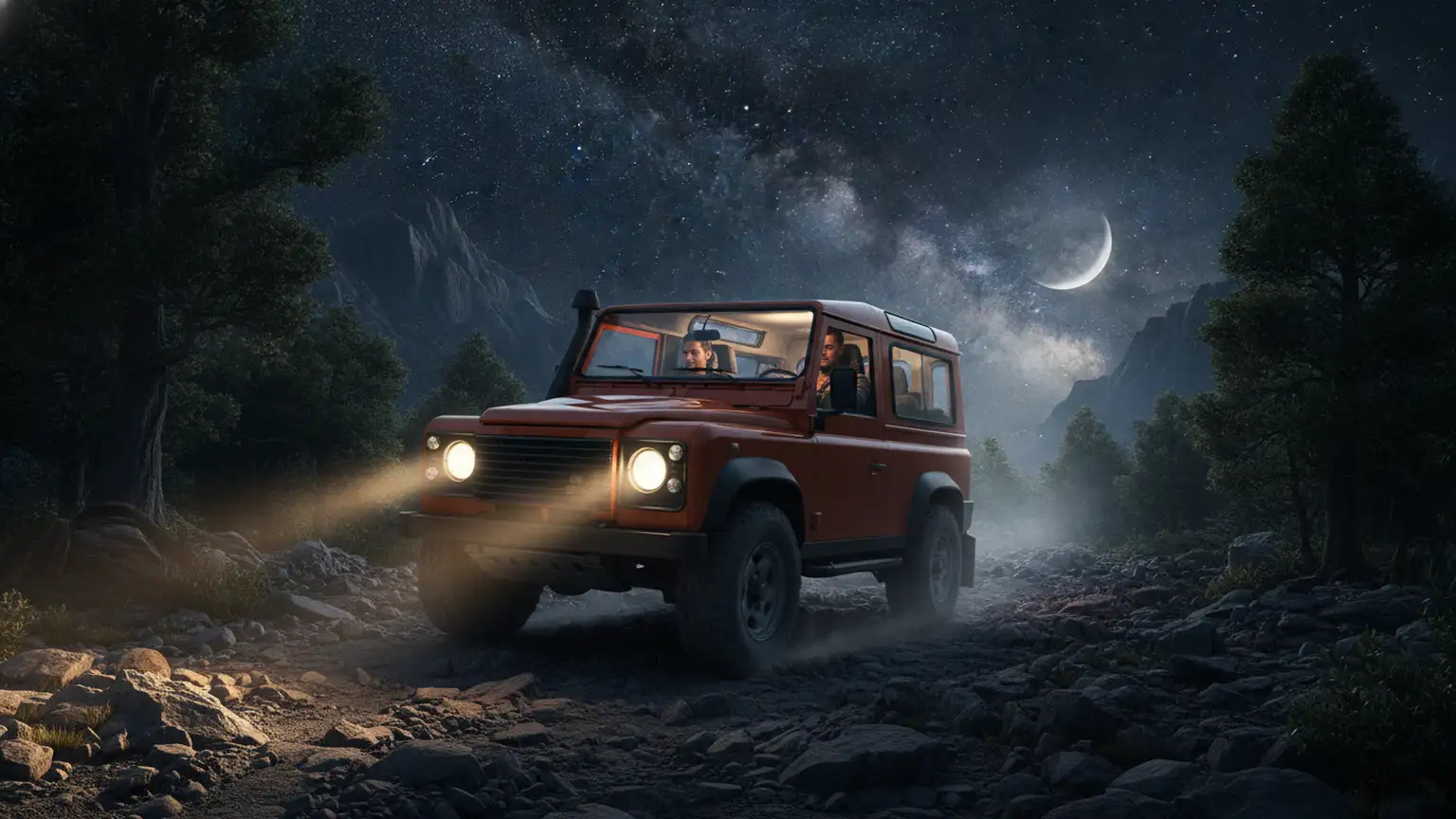
Night Driving Tips: Off-Road Adventures with Lighting, Wildlife, and Humility
Imagine this: You're atop a stunning ridgeline, the sun dipping below the horizon in a blaze of color that paints the sky. It's a sight that makes every off-road adventure worth it. But as the light fades, a decision looms—do you set up camp now, or brave the dark for another 40 minutes to reach your planned destination? When night falls during your off-road adventures, having the right night driving tips and off-road lighting can make all the difference. Welcome to the world of night driving off-road—a realm where patience, preparation, and humility are your best allies.
How to Drive Off-Road at Night: The Art of Navigating Darkness
To drive off-road at night, prioritize visibility with quality lighting and maintain a controlled speed to handle unexpected terrain changes. Driving off-road at night requires a specific mindset and approach, fundamentally different from daytime adventure. The key is to understand that more lumens don't necessarily translate to better visibility, especially when dust and terrain conspire to obscure your view. Here’s how to tackle the challenge:
- Assess the Situation: Before you decide to continue driving, consider your current location, potential obstacles, and your comfort with the route ahead.
- Lighting Essentials: Invest in quality off-road lighting such as LED light bars or pods that illuminate the path without blinding fellow adventurers. Brands like Diode Dynamics offer easy-to-install solutions, ensuring you won’t need to cut or drill into your vehicle.
- Speed Control: Maintain a slower, more controlled speed to accommodate sudden changes in terrain and unexpected wildlife. According to Penske Truck Leasing, reduced visibility at night limits reaction time, making speed control crucial.
- Fatigue Management: Treat fatigue as a mechanical limit. Just like your vehicle, your body needs downtime. Ensure you are well-rested before embarking on a night drive, as recommended by the National Highway Traffic Safety Administration.
- Stay Humble: Recognize the limitations of both your equipment and your abilities. Night dirt rewards patience over speed.
Night Driving Safety Tips: Lighting the Trail, Not Your Friends' Retinas
Night driving safety begins with visibility. The goal is to light up the trail ahead without causing glare or discomfort to others. Here's how to ensure your lights work for, not against, you:
- Choose the Right Lights: Use spot beams for distance and flood beams for width. Combining both can provide comprehensive illumination of the path without overwhelming other drivers.
- Proper Installation: Ensure lights are installed at angles that optimize visibility and minimize reflection off the hood or other surfaces.
- Regular Checks: Keep your headlights and additional lights clean and check alignment regularly to maintain optimal performance.
Wildlife Safety at Night: Watching for Eyeshine
Wildlife collisions are a significant hazard during night drives. The Wildlife Collision Prevention Program emphasizes vigilance and speed management to avoid incidents. Here’s how to stay safe:
- Watch for Eyeshine: Animals' eyes often reflect light, creating a telltale glow. Being alert to this can give you extra reaction time.
- Heed Warning Signs: Pay attention to wildlife crossing signs and slow down in areas known for animal activity.
- Defensive Driving: Always be prepared for sudden stops or swerves. Keep a safe distance from potential hazards.
Best Lights for Night Off-Road Driving: Enhancing Your Night Vision
Choosing the right lights can dramatically improve your night driving experience. Here's what to look for:
- LED Light Bars and Pods: These provide powerful, focused light ideal for off-road conditions. Companies like Diode Dynamics offer a variety of options that are easy to mount and adjust.
- Brightness vs. Usefulness: More lumens aren’t always better. Consider the terrain and conditions—dust and fog can reflect light, reducing visibility.
Decision-Making Framework: Camp Now or Drive On?
When faced with the choice to camp or continue driving, use a decision tree to guide you. Consider factors such as:
- Time and Distance: How far is the next safe camping spot? Can you safely reach it before fatigue sets in?
- Environmental Conditions: Is the terrain familiar and manageable, or does it pose risks that might be exacerbated in the dark?
- Weather: Check the forecast. Sudden weather changes can make night driving treacherous.
Navigational Challenges: From Sunset Beauty to Dark Realities
Even with the best preparations, night off-roading can present unexpected challenges. Here are some strategies to navigate them:
- Familiarize with the Route: Always have a reliable GPS or map. Offline maps can be a lifesaver when signals drop.
- Communication: Keep in touch with fellow travelers. Radios or satellite communicators are invaluable in remote areas.
- Adaptability: Be ready to change plans. Sometimes the safest option is to turn back or find an alternative route.
Staying Humble After Sunset: Embrace the Adventure
Off-road driving at night is a test of patience and humility. The rewards are great—serene landscapes, starlit skies, and the thrill of adventure. However, it demands respect for nature and the limitations of both man and machine.
- Progress Over Perfection: Celebrate small victories—each successful night drive builds your skills and confidence.
- Embrace Learning: Every challenge is an opportunity to improve. Share experiences with fellow enthusiasts and learn from their insights.
Frequently Asked Questions
What are the best practices for night off-road driving?
Night off-road driving requires careful planning, proper lighting, speed management, and awareness of fatigue. Invest in quality lighting and always have a plan for unexpected situations.
How can I improve visibility when driving off-road at night?
Use a combination of LED light bars and pods to illuminate the path. Ensure lights are properly aligned and clean. Consider upgrading your headlights to LED or halogen bulbs.
What should I do if I encounter wildlife while driving at night?
Slow down and watch for eyeshine. Be prepared to stop if necessary. Follow the tips from the Wildlife Collision Prevention Program to reduce collision risks.
How do I decide whether to camp now or continue driving at night?
Use a decision tree considering distance, environmental conditions, and your fatigue level. If conditions are challenging, it’s often safer to camp.
What are the common challenges of night driving off-road?
Challenges include reduced visibility, wildlife encounters, fatigue, and navigational difficulties. Proper preparation and awareness can mitigate these risks.
How can I manage fatigue during night drives?
Ensure you are well-rested before driving. Take breaks as needed and avoid driving if you feel drowsy. Treat fatigue as a limit, just like fuel levels or vehicle wear.
What lighting options are best for off-road vehicles?
LED light bars and pods are highly recommended due to their brightness and energy efficiency. Brands like Diode Dynamics offer versatile options that fit various vehicles.
How can I ensure my lights don’t blind other drivers?
Adjust lights to focus on the trail rather than direct at eye level of other drivers. Use spot and flood beams strategically to enhance visibility without causing glare.
Why is night driving considered riskier than daytime driving?
Reduced visibility, increased wildlife activity, and driver fatigue make night driving riskier. Proper preparation and defensive driving are crucial to safety.
How important is communication during night off-road trips?
Communication is vital. Use radios or satellite communicators to stay in touch with fellow travelers, ensuring everyone is informed of the plan and any changes.
Quotable Insights
"A sunroof drain tube is a small channel that directs water away from the roof, preventing leaks." - Definition Box
"According to the National Highway Traffic Safety Administration, fatigue-related accidents are a significant risk factor for night driving." - Statistics
"Professional off-road drivers recommend investing in high-quality LED lighting to improve night visibility without causing glare." - Expert Opinion
"The best practice is to keep your vehicle’s lighting system in top condition and regularly check alignment and cleanliness." - Clear Recommendation
"Night dirt rewards patience. Light the trail, not your friends' retinas, watch for eyeshine, and treat fatigue as a mechanical limit." - Take-Home Message
"Expert off-roaders suggest using a combination of spot and flood beams to optimize visibility without causing glare." - Additional Insight
Night driving off the pavement offers an exhilarating adventure that demands respect and preparation. By equipping yourself with the right tools, knowledge, and mindset, you can safely navigate the dark trails and make the most of every nocturnal journey. Adventure is indeed better when you build it, and with these tips, you're all set to light up the night—safely and smartly.


Community
Join the conversation
No comments yet. Be the first to share your thoughts!
Leave a comment
Keep tinkering
More adventure experiments
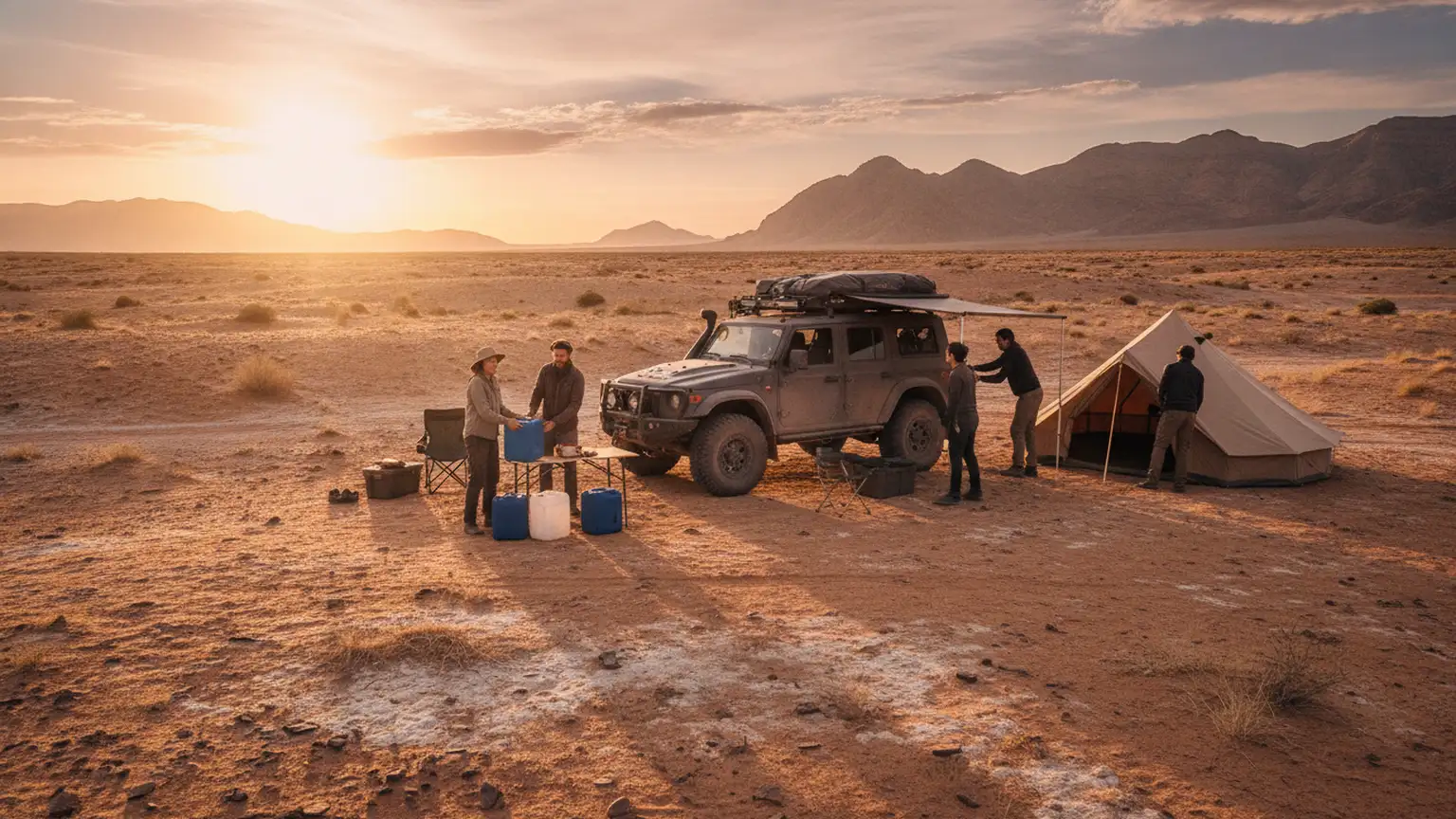
Hydration Tips for Overlanders: Your Water Plan is Your Trip Plan
Stay hydrated on your overland adventures by planning your water needs strategically—aim for 3 to 4 liters per person per day for drinking, cooking, and hygiene.
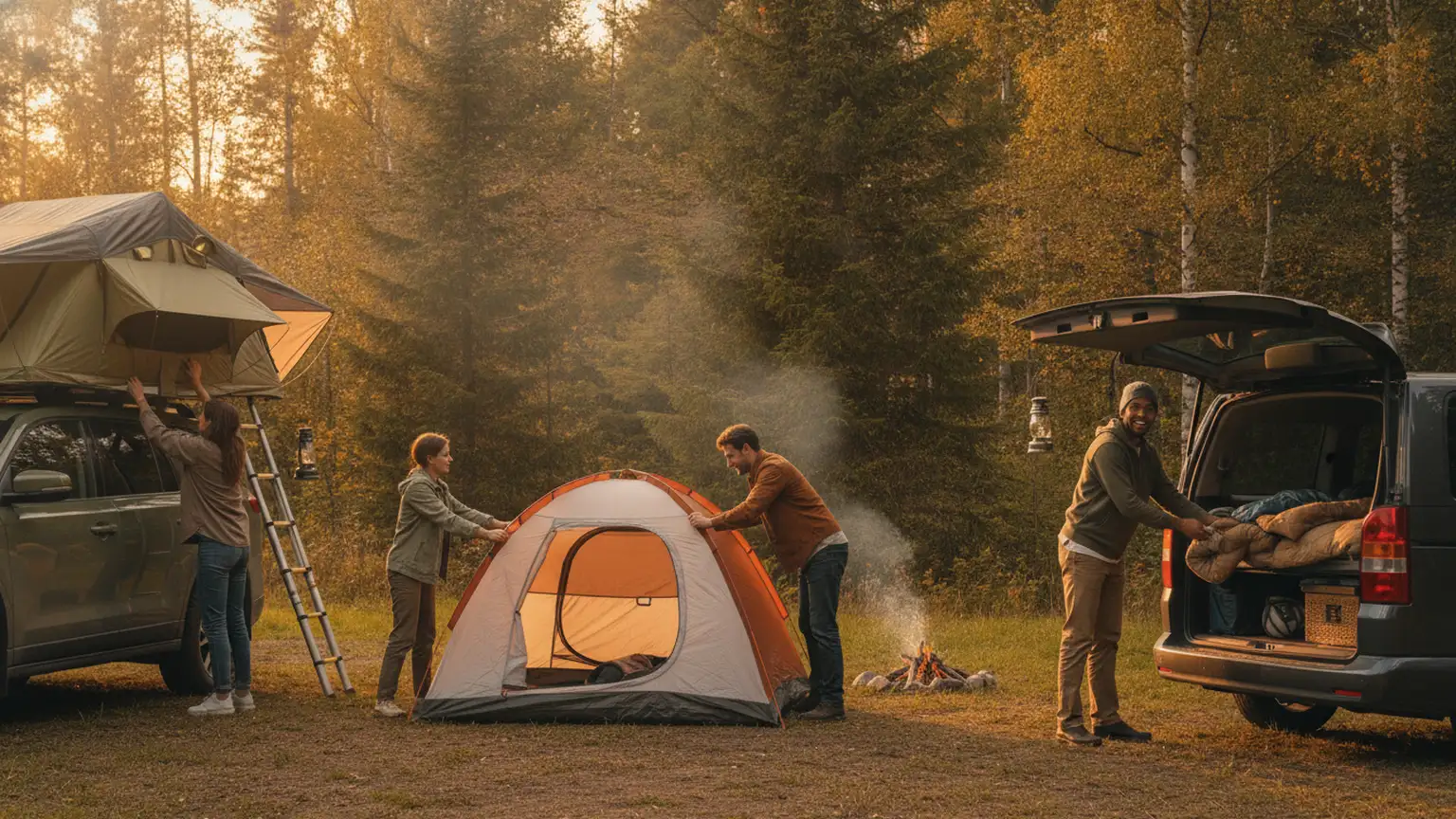
Roof Tent vs. Ground Tent: Choosing the Best Overlanding Sleep System
Discover the best overlanding sleep system by comparing roof tents, ground tents, and vehicle cargo setups to find your ideal camping solution for restful nights under the stars.
Trail Reading Techniques: How to Read a Trail Before You Commit the Paint
Master essential trail reading techniques to enhance your off-road adventures and prevent costly vehicle damage by learning to evaluate paths before you drive.