Camping & Nature
Roof Tent vs. Ground Tent: Choosing the Best Overlanding Sleep System
Roof Tent vs. Ground Tent: Best Overlanding Sleep System
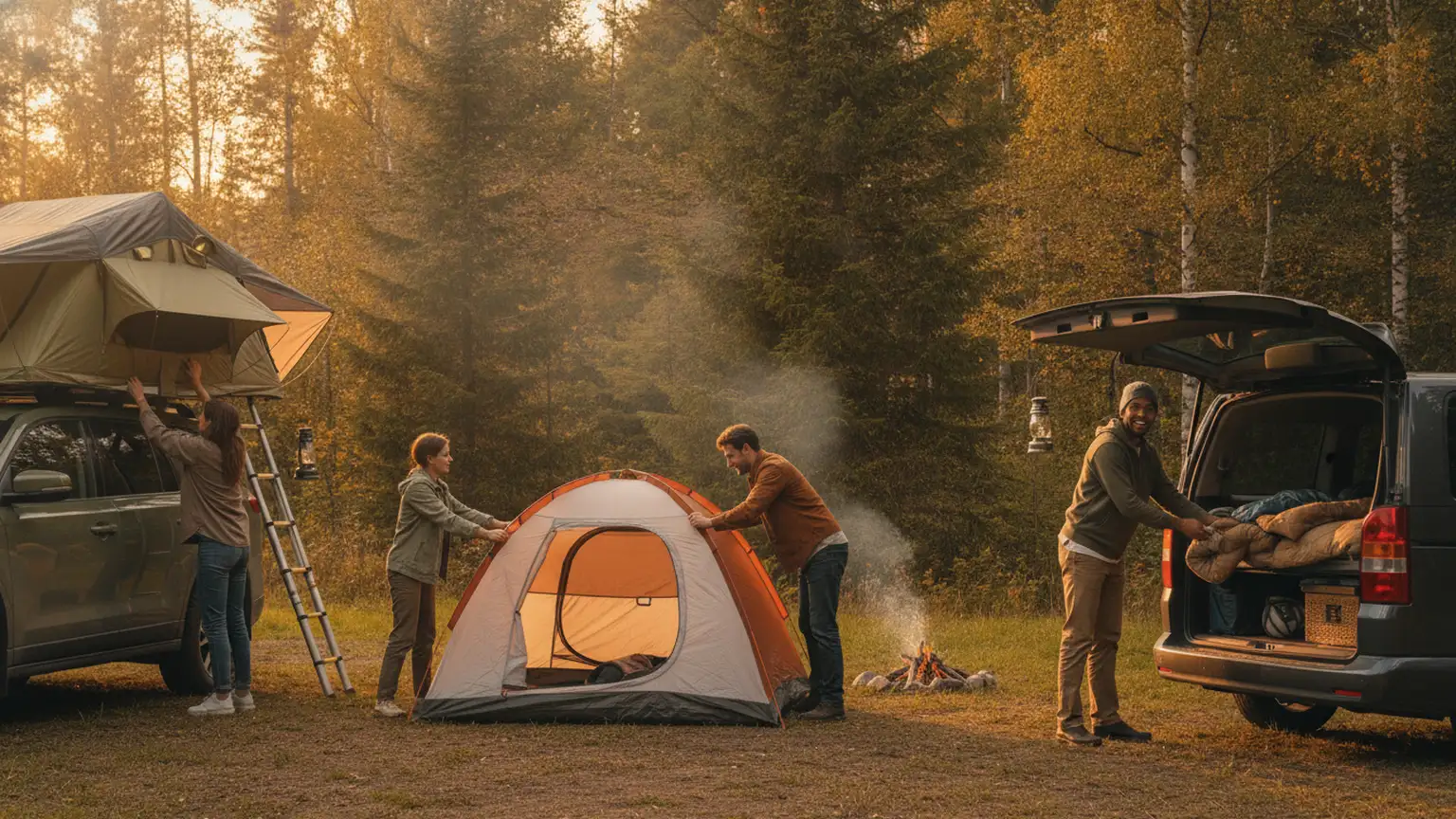
Choosing the right overlanding sleep system can make or break your camping experience. Whether you're scaling mountains or exploring remote trails, selecting the perfect sleep setup is vital for a restful night under the stars. Let's explore the pros and cons of three popular options: roof tents, ground tents, and using the cargo area of your vehicle. We'll guide you through an interactive decision matrix tailored to your camping style and share real-life experiences to help you avoid those 2 a.m. regrets.
What is the Best Camping System for Overlanding?
The best camping system for overlanding depends on your personal needs, camping style, and preferences. Roof tents offer elevated, dry sleeping quarters, ground tents provide spacious and cost-effective solutions, and the cargo area of your vehicle offers quick shelter with minimal setup. Each option has unique advantages and drawbacks that cater to different aspects of overlanding.
###

How to Choose Between a Roof Tent and a Ground Tent
To make the best choice, consider the following factors:
- Budget: How much are you willing to spend?
- Comfort: What level of comfort do you need?
- Setup Time: How quickly do you want to set up camp?
- Space Requirements: Do you need extra room for gear or companions?
- Weather Conditions: What type of weather will you encounter?
- Frequency of Use: How often do you plan to camp?
Decision Matrix: The Personality Behind Your Camping Choice
Roof Tent: Dry, High, and Slow to Stow
Pros:
- Elevated Protection: Keep away from ground moisture and critters.
- Quick Pack-Up: Often easier to collapse and hit the road.
- Adventure Aesthetic: Let's face it, they look cool.
Cons:
- Costly Investment: Prices range from $1,000 to over $5,600, according to Exploring Overland.
- Vehicle Dependency: Once set up, your vehicle is off-limits.
- Weight: Can weigh between 88 to 200 pounds, impacting fuel efficiency.
Best For:
- Frequent travelers who prioritize quick pack-up and elevated sleeping.
Ground Tent: Cheap, Spacious, and Sometimes Muddy
Pros:
- Affordable: Entry-level options start at around $200.
- Spacious: Usually offers more room for gear and people.
- Versatile Locations: Pitch anywhere flat.
Cons:
- Weather Woes: More susceptible to flooding and mud.
- Setup Time: Can take longer to assemble, especially in poor weather.
Best For:
- Campers who need extra space and are budget-conscious.
Vehicle Cargo Area: Fastest Shelter, but Claustrophobic
Pros:
- Quick Shelter: Perfect for late-night arrivals.
- Secure: Safe from weather and wildlife.
- Minimal Setup: Ready in minutes.
Cons:
- Limited Space: Can be cramped, especially for taller individuals.
- Temperature Control: Can become hot or cold without proper ventilation.
Best For:
- Solo travelers or couples who prioritize speed and security.
Real Experiences with Overlanding Sleep Systems
Personal Anecdotes: Learning from the 2 a.m. Regrets
- The Roof Tent Reality: "I loved my roof tent's quick pack-up. But one night, a sudden storm made me realize the importance of a dry, elevated sleep." - Mike, experienced overlander.
- Ground Tent Struggles: "Setting up my ground tent in the mud was a nightmare. But the space was worth it once I got inside and spread out comfortably." - Sarah, weekend explorer.
- Cargo Area Conundrum: "After a long drive, sleeping in my SUV was the best decision. Quick and easy, but by morning, I was craving more space." - Tom, solo adventurer.
###

Why Comfort is a Build, Not a Brand
Investing in a sleep system that matches how you camp is critical. It's not about the brand or the latest trend; it's about crafting a setup that guarantees restful nights. As highlighted in I Heart Pacific Northwest, investing in quality and comfort is worthwhile for the best outdoor experience.
Practical Tips for Enhancing Comfort
- Test Before You Trek: Set up your tent at home. Familiarize yourself with the process to avoid surprises.
- Layer Wisely: Use quality sleeping pads and bags for insulation and comfort.
- Ventilation: Ensure proper airflow to regulate temperature and reduce condensation.
- Lighting: Use portable lights to enhance visibility and comfort inside your tent or vehicle.
Frequently Asked Questions
Which Camping System is Best for Overlanding?
The best camping system for overlanding varies based on personal preferences. Roof tents offer protection and elevated sleeping but are pricier. Ground tents are affordable and spacious, while the vehicle cargo area provides quick, secure shelter.
How to Choose a Roof Tent or Ground Tent?
Consider your budget, comfort needs, setup time, and space requirements. Roof tents are ideal for quick setups and elevated protection, while ground tents offer more space and affordability.
What are the Advantages of Using a Roof Tent?
Roof tents provide elevated sleeping quarters, protecting against ground moisture and critters. They're quick to pack up, making them ideal for frequent travelers.
Are Ground Tents a Good Option for Overlanding?
Yes, ground tents are budget-friendly and offer spacious accommodations. However, they can be susceptible to weather conditions and take longer to set up.
What Should I Consider When Sleeping in My Vehicle's Cargo Area?
Ensure you have adequate ventilation and space. While quick and secure, the cargo area can become cramped and uncomfortable without proper setup.
How Does Weather Impact My Choice of Sleep System?
Weather conditions affect each system differently. Roof tents excel in keeping dry, ground tents need waterproofing, and vehicle cargo areas require ventilation to manage temperature.
Can I Combine Different Sleep Systems?
Yes, combining systems can offer flexibility. For instance, use a roof tent for long trips and a ground tent when extra space is needed.
What Do Experts Recommend for Overlanding Sleep Systems?
Experts suggest choosing a system that aligns with your camping style and priorities. Comfort and practicality should guide your decision more than aesthetics.
Conclusion: Building Your Perfect Sleep System
As you embark on your next adventure, remember that the best sleep system is one that aligns with your unique camping style and needs. Whether you opt for the elevated comfort of a roof tent, the spaciousness of a ground tent, or the quick setup of your vehicle's cargo area, comfort is a build, not a brand. Share your overlanding sleep system experiences in the comments below! Adventure is better when you build it, and sleeping comfortably is the first step to truly enjoying the great outdoors.
Community
Join the conversation
No comments yet. Be the first to share your thoughts!
Leave a comment
Keep tinkering
More adventure experiments
Trail Reading Techniques: How to Read a Trail Before You Commit the Paint
Master essential trail reading techniques to enhance your off-road adventures and prevent costly vehicle damage by learning to evaluate paths before you drive.