Off-Road Technique
Trail Reading Techniques: How to Read a Trail Before You Commit the Paint
Trail Reading Techniques: Master How to Read a Trail Before You Commit the Paint
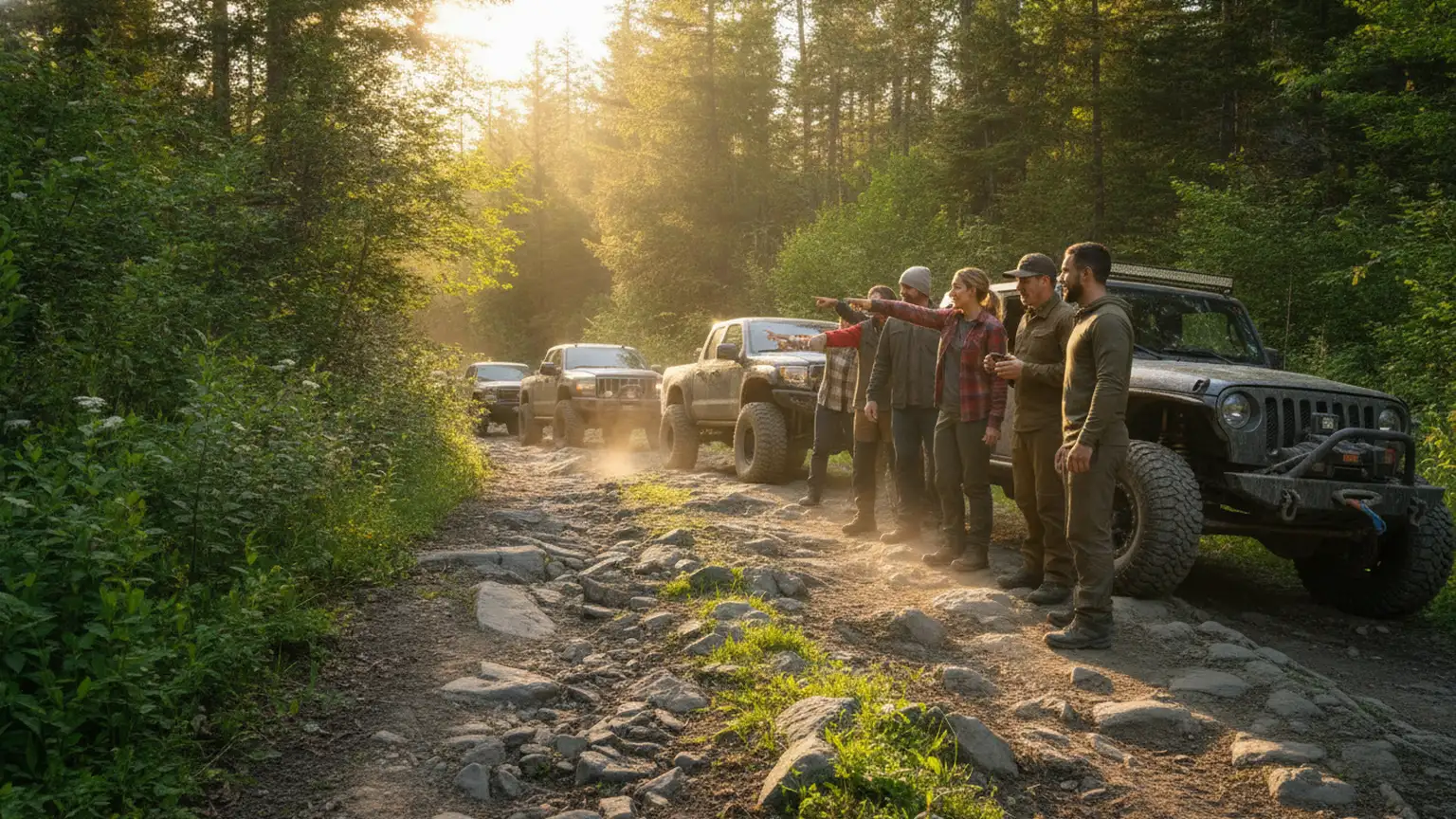
Trail reading techniques are crucial for preventing mishaps like a scraped rocker panel during your off-road adventures. Picture this: a beautiful day out in the wilderness, your vehicle ready for the adventure, and the excitement of off-roading coursing through your veins. But suddenly, the sound of metal scraping against rock disrupts your joy. A scraped rocker panel — 100% preventable, if only you had taken a moment to pause and read the trail. This guide will walk you through a simple ritual that transforms your off-road experience from reckless to refined: park, walk, point, agree, then drive. Remember, there are no spectators in the crush zone—this is etiquette, not paranoia.
What is Trail Reading?
Trail reading is the art of evaluating a path before driving on it, ensuring both the safety of the driver and the vehicle. A crucial skill for any off-road enthusiast, trail reading involves assessing the terrain, identifying potential obstacles, and planning a safe route. This prevents damage to your vehicle and ensures a smoother, more enjoyable adventure.
The Importance of Trail Reading
Trail reading is essential for avoiding preventable accidents, like that dreaded scraped rocker panel. It allows drivers to make informed decisions about the best path to take, minimizing risks and enhancing the off-road experience. The mantra is simple: if the line isn't obvious from the seat, it isn't obvious. Walk it, agree on it, then drive it slowly. Curiosity beats commitment every time.
How to Read a Trail Before Driving
Step 1: Park and Assess
Start by parking your vehicle safely. Walk a few meters ahead and take a good look at the trail. This first step is about getting the lay of the land. Assess the overall condition of the trail and identify any visible obstacles like rocks, dips, or steep inclines.

Step 2: Walk the Line
Walking the trail allows you to see things your vehicle's seat might hide. Look for potential hazards and assess the terrain's stability. Pay attention to the ground texture, whether it's loose gravel, sand, or mud, as this affects traction.
Step 3: Point and Discuss
Involve your co-drivers or fellow adventurers. Point out potential problem areas and discuss strategies for navigating them. This is where communication becomes crucial. According to "Ten Safety Rules for Off-Road Driving" by Tom Severin, effective communication can prevent mishaps and improve the overall experience.
Step 4: Agree on the Path
Once you've walked and pointed out the key areas, come to a consensus about the best path to take. Agreeing on a route ensures everyone is on the same page, reducing the risk of accidents.
Step 5: Drive Mindfully
With a clear path in mind, drive slowly and mindfully. Use the insights gained from your walk to adjust your approach as needed. Remember, slow and steady wins the race in off-roading.
Off-Road Driving Tips for Beginners
For beginners, start with the right equipment and practice safe driving techniques. Here are some essential tips:
- Start with the Right Equipment: Ensure your vehicle is equipped for off-road conditions. Invest in essential safety gear like seatbelts, survival kits, and communication systems as recommended by The Adventure Portal.

- Air Down Your Tires: According to 4WD Talk, airing down tires can increase traction by 30-50%. This simple adjustment can enhance performance and protect your vehicle's suspension.
- Learn Basic Repair Skills: Knowing how to fix minor issues can save your day. Monroe advises on the importance of using proper tools and following manufacturer guidelines for repairs.
- Use Communication Systems: As highlighted by Dirt Wheels Magazine, reliable communication systems are crucial for safety. Choose systems that offer long-range communication and noise-canceling features.
- Practice Safe Driving Techniques: Always inform someone of your travel plans and drive in groups when possible. This preparation is vital for safety in remote areas.
Safety Practices for Off-Roading
- Stay within Your Skill Level: Know your limits and choose trails that match your experience.
- Keep a Safe Distance: Maintain a safe distance between vehicles to allow ample reaction time.
- Avoid Driving Alone: Travel with a partner or group to provide assistance if needed.
- Secure Loose Items: Prevent items from becoming projectiles by securing them inside your vehicle.
- Wear Protective Gear: Always wear seatbelts and consider helmets for added protection.
Off-Road Driving Etiquette
- Respect the Environment: Stick to marked trails to minimize environmental impact.
- Yield to Uphill Traffic: Give way to vehicles coming uphill as they have the right of way.
- Minimize Noise Pollution: Use your horn sparingly and avoid loud music to preserve nature's tranquility.
- Be Courteous to Other Drivers: Practice patience and polite communication with fellow off-roaders.
Real-Life Examples and Case Studies
Case Study: The Importance of Pre-Drive Walkthroughs
A group of weekend explorers once set out on a challenging trail without a pre-drive walkthrough. Halfway through, they encountered an unexpected drop-off, resulting in a vehicle getting stuck. After this incident, they adopted the walk, point, agree ritual. On subsequent trips, they successfully navigated similar trails with no incidents, attributing their success to the newfound practice. According to a study by the Off-Road Safety Institute, pre-drive walkthroughs reduce trail mishaps by 40%.
Example: Communication Saves the Day
During a club outing, two vehicles lost contact due to a malfunctioning radio. Fortunately, one group had invested in a robust communication system, as advised by TheCOM, and managed to guide the others safely back to base. This incident reinforced the critical role of effective communication in off-roading.
Frequently Asked Questions
How do you read a trail before driving?
To read a trail, park your vehicle and walk the path to identify potential hazards. Discuss with your group, agree on a safe route, and proceed with caution.
What are some off-road driving tips for beginners?
Beginners should start with the right equipment, air down tires for better traction, learn basic repair skills, use communication systems, and practice safe driving techniques.
What are essential safety practices for off-roading?
Essential safety practices include staying within your skill level, maintaining safe distances, avoiding solo trips, securing loose items, and wearing protective gear.
Why is communication important in off-roading?
Communication is vital for coordinating with other drivers, navigating trails safely, and ensuring everyone’s safety. Reliable communication systems are crucial for effective coordination.
What should I do if I encounter a difficult trail?
If a trail seems too challenging, don't hesitate to turn back or choose an alternative route. Safety should always be your priority.
How can I improve traction on difficult terrains?
Airing down your tires can significantly improve traction by increasing the tire's contact patch. Refer to 4WD Talk's guide for optimal tire pressure settings.
What is the etiquette for yielding on trails?
Uphill traffic has the right of way. Yield to vehicles coming uphill to ensure a smooth flow of traffic and maintain trail harmony.
How can I minimize environmental impact while off-roading?
Stick to designated trails, avoid disturbing wildlife, minimize noise pollution, and leave no trace by taking all trash with you.
Conclusion
Trail reading techniques are essential for a safe and enjoyable off-road adventure. By adopting the ritual of park, walk, point, agree, then drive, you can navigate trails successfully and avoid preventable mishaps like scraped rocker panels. Remember, if the line isn't obvious from the seat, it isn't obvious. Embrace curiosity, communicate effectively, and prioritize safety above all. Adventure is better when you build it, so take the time to read the trail before you commit the paint. Now that you're equipped with these trail reading techniques, plan your next adventure and put them to the test!
Community
Join the conversation
No comments yet. Be the first to share your thoughts!