Overlanding is not just about driving off-road. It is about living out of a vehicle for extended periods of time. Water, food, and basic comfort determine how long a trip can last and how enjoyable it will be.
Without a reliable water supply, hygiene becomes difficult and cooking becomes limited. Without a safe and efficient cooking setup, food preparation becomes slow and wasteful. Without basic comfort features, fatigue and stress build up quickly.
A well-designed system for water, cooking, and comfort turns a vehicle from a transport tool into a self-contained living space.
Water systems range from simple jerry cans to permanent tanks with pumps and external taps. The choice depends on trip length, available space, and the type of travel.
Fixed tanks provide higher capacity and better weight distribution but require plumbing and maintenance. Portable containers are flexible and easy to replace but take up valuable storage space.
A good water system should allow water to be used for drinking, cooking, and washing without contaminating clean supplies. Filtration and separation between clean and grey water reduce health risks and simplify camp routines.
Pressurized water systems improve usability but add complexity. Pumps must be sized for flow rate and duty cycle. Hoses and fittings must tolerate vibration and temperature changes.
Manual systems are slower but more reliable. Electric systems are faster but depend on battery capacity and wiring quality.
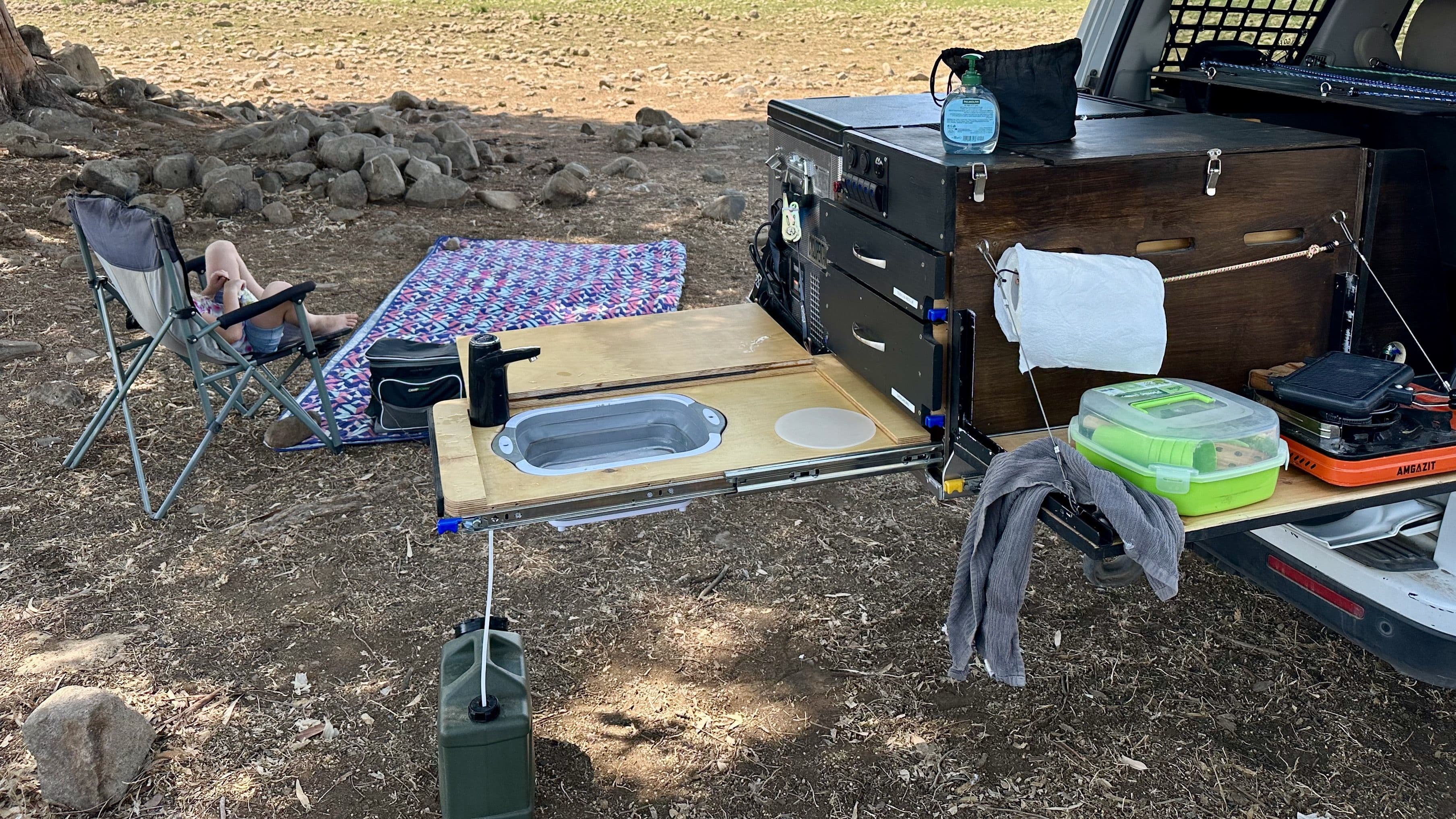
External taps and shower outlets should be positioned where spills do not soak the interior and where muddy gear can be cleaned before being stowed.
Cooking systems must be stable, safe, and easy to deploy. Stoves, gas canisters, and cooking surfaces should be secured during driving and isolated from dust and fuel vapors.
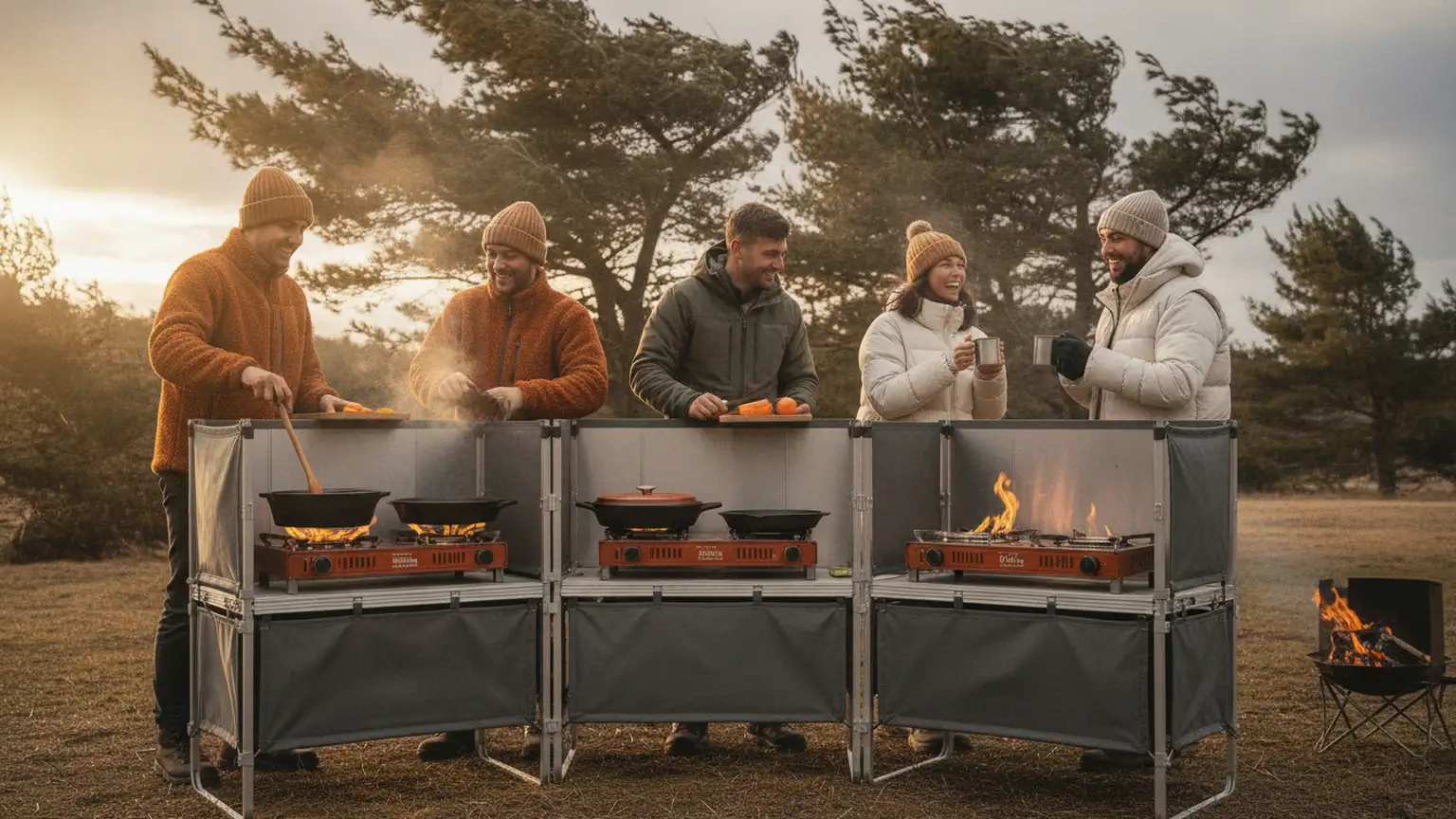
Heat management is critical. Flames and hot surfaces should be positioned away from soft materials and wiring. Wind protection improves efficiency and reduces fuel use.
Food preparation benefits from flat work surfaces, lighting, and access to water. A good cooking layout minimizes movement between fridge, stove, and storage.
Fridges and coolers extend trip length by preserving food. Their placement affects power consumption and usability.
Ventilation around the fridge prevents overheating. Secure mounting prevents damage during rough driving. Food storage should separate raw items from cooked or ready-to-eat food.
Proper organization reduces spoilage and waste and helps maintain hygiene in remote environments.
Showers improve morale and health on longer trips. Systems can be gravity-fed, pressurized, or heated with gas or engine heat exchangers.
Privacy, drainage, and water usage must be considered. A poorly planned shower system wastes water and soaks the vehicle interior.
Basic hygiene systems should allow hands, dishes, and tools to be cleaned without contaminating drinking water supplies.
Comfort also depends on temperature, airflow, and sleeping quality. Shade, ventilation, and insulation help manage heat and cold.
Sleeping platforms, mattresses, and lighting affect rest and safety. A tired driver is a dangerous driver, and poor sleep directly impacts decision-making on the trail.
Comfort upgrades are not luxury items. They are safety features that support endurance.
SUVs often combine interior sleeping with compact water and cooking systems. Space constraints require careful layout planning.
Jeeps and short-wheelbase vehicles rely more on external kitchens and portable water containers due to limited interior volume.
Pickup trucks allow larger tanks and cooking modules but require weatherproof enclosures and secure mounting.
Regardless of vehicle type, the goal is the same: clean water, safe food, and adequate rest.
Water, cooking, and comfort systems should be simple and predictable. Complicated systems fail more often and are harder to repair in the field.
Every addition increases weight and complexity. The best systems provide the most benefit with the least number of parts.
Comfort is not about luxury. It is about reducing stress, maintaining health, and preserving energy over long distances.
If you are improving your vehicle for long trips, begin by ensuring access to clean water and a safe cooking method. Add refrigeration next, then improve washing and sleeping systems as space and budget allow.
Build in stages and test each change on short trips before committing to long journeys.
Overland comfort is measured not by how many features you have, but by how easily you can live with them day after day.